
Spotting a bee lying still on the ground can be a bit confusing. Is it just tired, or is it dying?
A tired bee usually moves slowly and looks sluggish, but often bounces back and flies away. If a bee doesn’t seem to improve, even when you try to help, it’s probably dying. Knowing the difference helps you decide if you should step in.
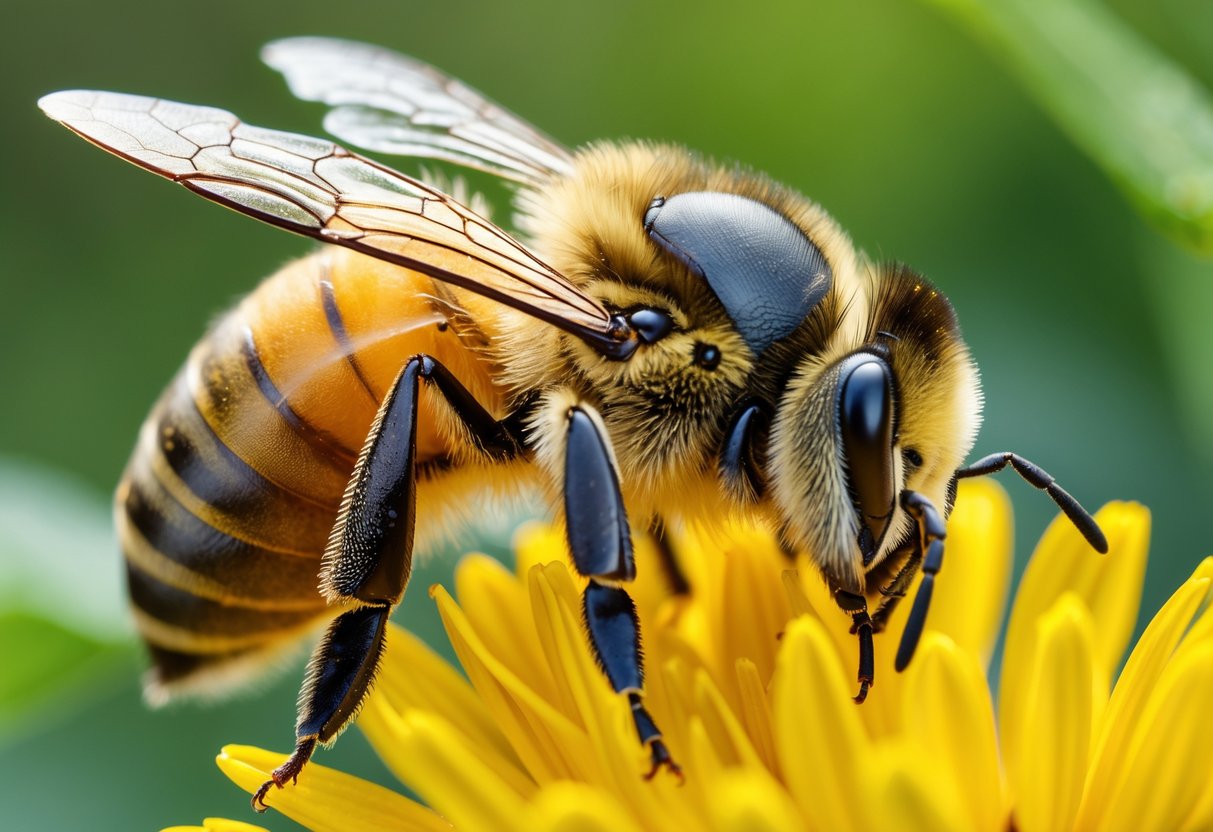
Sometimes, you’ll find a tired bee resting in the grass or on the pavement. Bad weather or exhaustion often makes them slow or cold.
Dead or dying bees, though, usually end up on their backs or sides. They don’t perk up with warmth or sugar water.
If you notice these things, you’ll have an easier time helping out.
Want to give a tired bee a hand? Try offering sugar water (never honey!) or just let it warm up in the sun.
It’s honestly pretty satisfying to see a bee recover and buzz off. If you’re curious for more, check out this guide on how to tell if a bee is dying or tired.
How to Identify if a Bee Is Dying or Just Tired

You can usually tell if a bee is dying or just tired by watching how it moves and looks. Some signs mean real trouble, while others just show the bee needs a break.
Paying attention to these details helps you decide if the bee needs help or just some time.
Key Differences in Behavior
Tired bees move slowly, but they’ll still react if you touch or nudge them. They might look lazy, but they’ll try to crawl away when disturbed.
Dying bees, though, often act uncoordinated or don’t move at all. If you see a bee clinging to flowers or writhing on the ground, it’s probably close to the end.
Tired bees usually pick safer spots to rest and don’t show those severe behaviors.
Physical Signs of Dying Bees
Look for ragged or tattered wings on a dying bee. Their bodies might look darker or faded compared to healthy bees.
Sometimes, you’ll spot their tongues sticking out, which can mean poisoning. Dying bees may end up on their backs or seem unable to stand.
They also ignore light or touch, which is a pretty clear sign things aren’t good.
Common Signs of Tired Bees
Tired bees keep their wings in good shape and don’t look so beat up. They might seem slow or weak, but their posture stays normal.
You’ll often see them resting quietly, maybe curled up or with wings closed. Unlike dying bees, tired bees react with small movements if you touch them—like a twitch or a blink.
If you give them sugar water or a safe spot, tired bees often bounce back.
If you want to dig deeper, check out how to tell if a bee is dying or tired.
Ways to Help Tired or Distressed Bees

You can help tired bees with a few easy steps. Even small actions like offering food or planting certain flowers can really boost their energy and safety.
Providing Energy and Recovery
If you find a tired bee, mix one part white sugar with one part water. Place a few drops near the bee—never use honey, as it can spread disease.
Bees that drink sugar water often recover and take off. If the bee looks cold, move it gently to a sunny spot.
Keep an eye on it, but try not to bother it too much.
Creating a Bee-Friendly Environment
Make your garden safer for bees by skipping pesticides and herbicides. Those chemicals can really harm them.
Try natural gardening tricks to keep pests away instead.
You can also set out shallow dishes with fresh water near your plants. Add some stones or corks so bees have a safe place to land.
A bee-friendly yard gives them a spot to rest and find food.
Choosing Bee-Friendly Flowers
Planting flowers with easy-to-reach nectar gives bees the boost they need. Go for flowers like lavender, sunflowers, or clover—bees seem to love those.
Mix it up with flowers that bloom at different times, so there’s always something for bees to snack on. Skip double-flowered plants; honestly, bees struggle to get nectar from them.
Taking these steps makes it easier for bees to stay healthy and buzzing around.
If you want more tips on helping tired bees, check out this guide: How To Save Tired Bees.


