
Wondering what’s really hurting bees these days? You’re definitely not alone.
Bees—especially honeybees—face a whole mess of challenges that threaten their survival. These tiny pollinators play a huge role in keeping our environment healthy and supporting the food we eat.
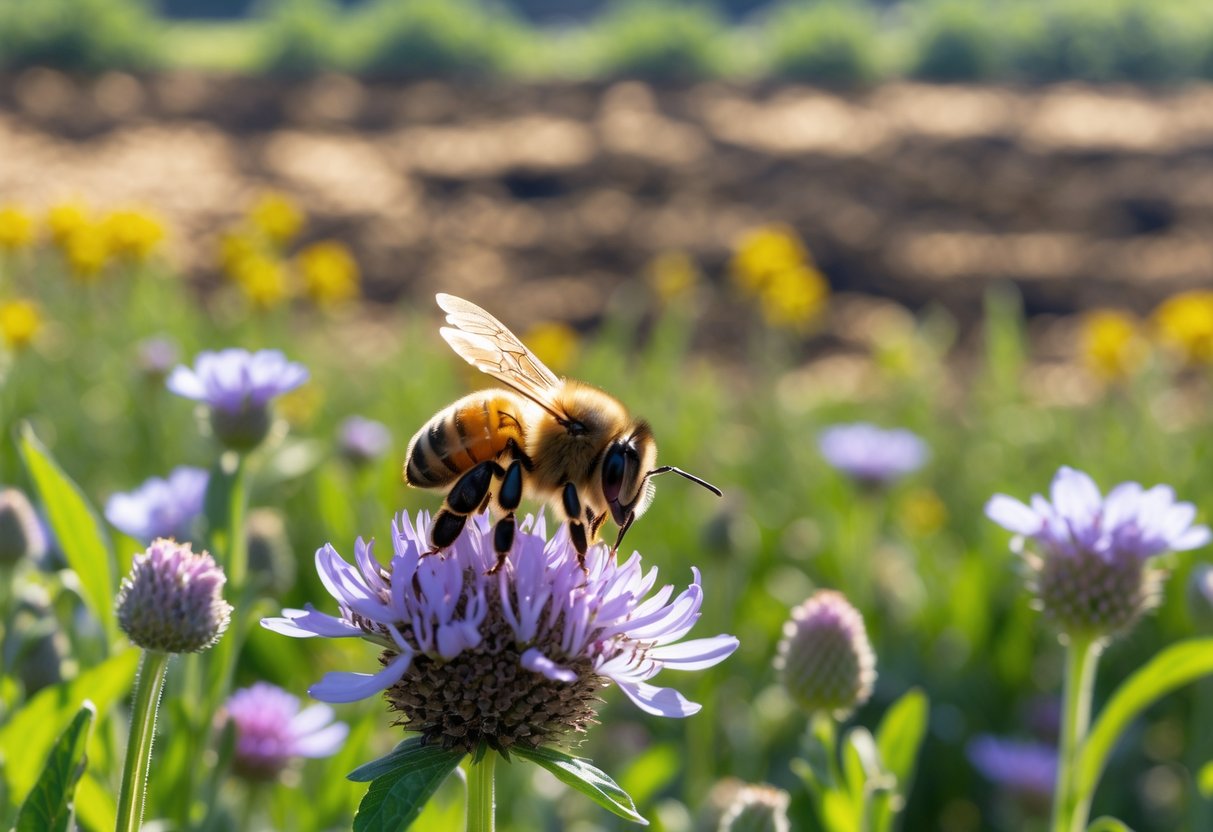
The biggest problem for bees? It’s the widespread use of pesticides mixed with habitat loss. These issues make it tough for bee populations to survive and grow.
Pesticides can directly harm bees. At the same time, fewer flowers and safe spaces mean bees struggle to find food and build homes.
Other threats pile on too, like diseases and parasites. When you really look at it, protecting bees isn’t just about saving them—it’s about keeping our own food and ecosystems healthy.
The Biggest Threats Facing Bees Today

Bees run into a lot of problems that threaten their survival and the health of their colonies. Some threats come from pests and diseases.
Others, like pesticides, slowly weaken bees over time. When you realize all the dangers, it’s kind of amazing bees manage as well as they do.
Colony Collapse Disorder (CCD) and Its Impact on Bee Populations
Colony Collapse Disorder, or CCD, strikes when most worker bees in a hive just vanish. Suddenly, only the queen, larvae, and food remain—no adults left to care for them.
CCD causes huge losses in bee populations, especially among honey bees that pollinate so many crops.
Researchers believe CCD happens when several factors hit at once. Pesticides, stress from moving hives, poor nutrition, and diseases all play a part.
When a colony collapses, it can’t bounce back easily. Crops and wild plants that rely on bees for pollination end up at risk.
CCD doesn’t just mean fewer bees. It also makes it harder for beekeepers to keep healthy colonies.
The Role of Pesticide Exposure in Bee Decline
Pesticides mess with bees in all sorts of ways. Some kill bees outright.
Others cause lingering harm by weakening their immune systems. When bees collect nectar and pollen with pesticide residues, those chemicals build up in the hive.
Certain pesticides even mess with bee navigation and learning. Bees struggle to find their way home.
Over time, colonies exposed to pesticides may not survive or produce enough new bees.
Neonicotinoids are especially notorious. These and other chemicals make life risky for bees near treated farms.
Cutting back on pesticide use and planting bee-safe flowers can really help reduce exposure.
Varroa Mites and Other Parasitic Threats
Varroa mites are brutal. These tiny pests latch onto bee pupae and adults, feeding on their blood.
They weaken bees and spread viruses through the hive. It’s a double whammy.
Other parasites cause trouble too—tracheal mites, wax moths, and small hive beetles. Tracheal mites mess up bee breathing, while wax moths and hive beetles wreck comb and honey stores.
If you keep bees, you need to check for mites and pests regularly. Treating infestations and managing hives well keeps colonies healthier.
Spread of Bee Diseases and Foulbrood
Diseases hit bee health hard. American foulbrood and European foulbrood are nasty bacterial infections that attack larvae.
If you don’t control these diseases, they can wipe out entire colonies.
Other illnesses like chalkbrood, sacbrood, and nosema also cause problems. Chalkbrood and sacbrood weaken larvae.
Nosema affects digestion in adult bees. Weak or stressed colonies catch diseases more easily.
Keeping hives clean and watching bee health closely helps prevent outbreaks. Spotting disease early and treating it quickly can save your colonies.
Wider Challenges: Environmental and Human Factors
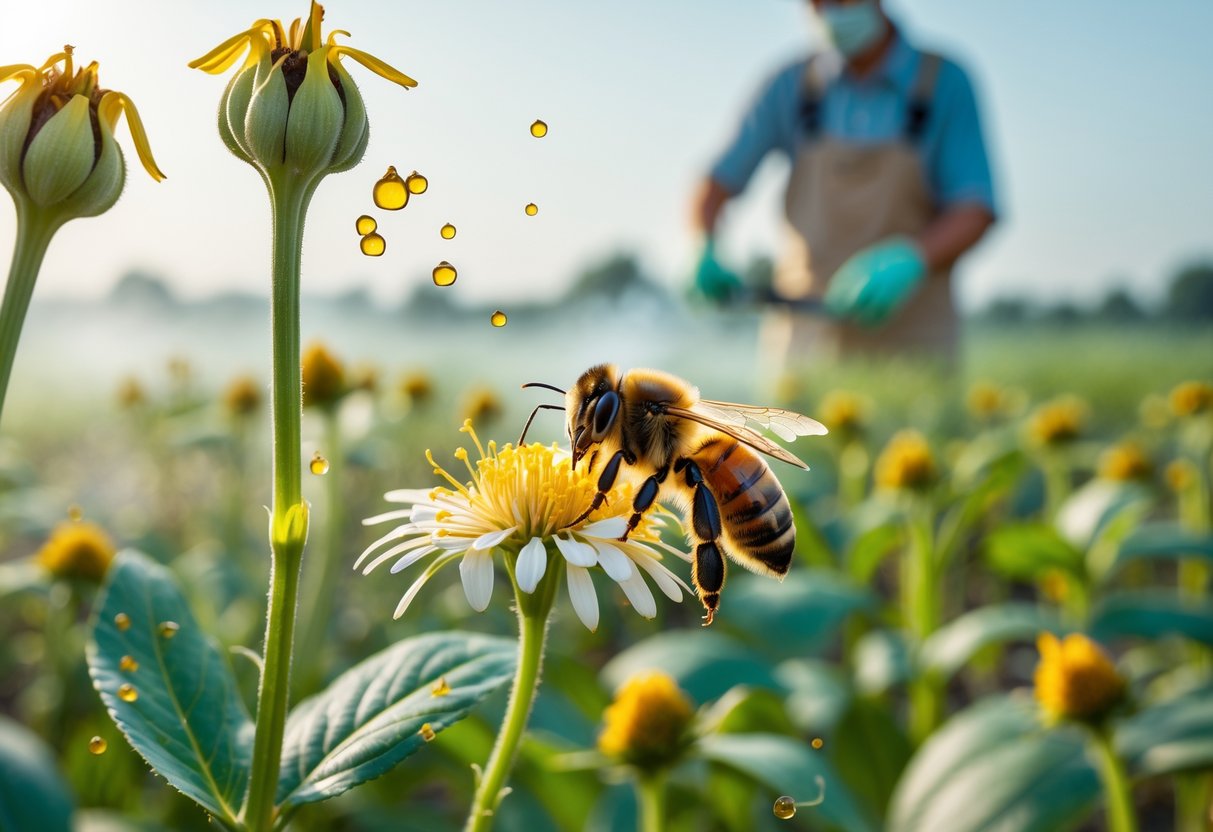
Bees face problems from all directions. You see it in climate shifts, shrinking habitats, and the way humans put bees to work.
It’s all connected, and it affects both bees and everyone who relies on them for food.
Climate Change and Its Influence on Bees
Climate change messes with the timing of flowers blooming. If flowers bloom earlier or later than usual, bees might miss their best food sources.
This mismatch makes it tough for them to collect enough nectar and pollen.
Hotter temperatures stress bee bodies. On really warm days, bees can’t work outside as long.
In some places, shorter but warmer winters raise the risk of colony collapse.
Extreme weather—think storms or drought—doesn’t help either. These shifts make it harder for bees to survive and keep hives healthy.
Scientists warn that climate changes in the U.S. and around the world are raising the risks for bee populations.
Pollination Demand and the Role of Beekeepers
Beekeepers matter a lot in farming. They move hives to help crops grow.
So much of our food—fruits, veggies, nuts—depends on bees doing their jobs.
As demand for food goes up, bees end up working harder. Beekeeping helps keep bees around, but it’s not without risks.
Moving hives can spread disease and stress bees out. Overworked bees might get sick or face colony collapse disorder.
Beekeepers now use stronger methods to care for bees, but it’s still a tough balance. Keeping bees healthy means not pushing them too hard.
Habitat Loss and Fragmentation Effects
When wild spaces shrink, bees lose their shelter and food sources. Cities, farms, and new roads break up habitats into tiny patches.
Bees have a harder time finding enough flowers all year round. In places where native plants disappear, wild bees drop off too.
Less variety in flowers means weaker bee nutrition. Bee-friendly gardens and meadows help, sure, but it’s not enough.
Without more habitat, bee numbers just can’t bounce back—no matter how well you manage your hives.
Implications for Farmers and Food Security
Farmers really count on bees to pollinate their crops. When bee numbers drop, crop yields take a hit.
That leads to less food and, yeah, usually higher prices at the store.
If you buy or grow fruits and veggies, chances are, you rely on bee pollination too. Apples, almonds, berries—so many of our favorites just wouldn’t be around without bees.
Some farmers try to help by planting bee-friendly habitats. Others cut back on pesticides to keep bees healthy.
But honestly, if bees struggle, farms end up facing some tough risks down the road.
Supporting bees actually helps protect your food supply. Pollination links bees directly to the food you eat every single day.
Curious about the threats bees face? Check out Bee


