
If you’ve ever had the misfortune of getting stung by a bee, you’ve probably wondered how long that venom actually lingers in your body. For most folks, the immune system clears out bee venom in just a few days.
Your body jumps into action, working to break down and remove the toxins. That’s why pain and swelling usually start to fade pretty quickly.
How long the venom sticks around depends on things like how much venom the bee injected and how sensitive you are. If you’ve got an allergy, the effects might last longer or just feel a lot worse.
Knowing what to expect can help you stay calm and manage symptoms a bit better after a sting.
How Long Bee Venom Stays in Your System
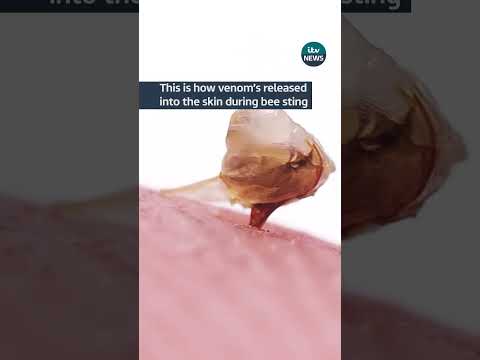
When a bee stings you, it injects venom right into your skin. Your body immediately starts clearing it out.
Bee venom contains several toxins. How fast you get rid of them depends on your immune system and how much venom you got.
Timeline of Bee Venom Clearance
Most toxins from bee venom leave your system in a few days. You’ll probably feel pain and swelling for several hours, sometimes up to a couple of days.
In moderate cases, symptoms fade in about 3 to 5 days. If you have a more severe reaction, you might have symptoms for up to 10 days.
Your body’s enzymes and white blood cells break down the venom pretty quickly. If you’re allergic or just have a sensitive immune system, some symptoms could stick around longer.
What Influences Venom Elimination Speed
How fast your body gets rid of bee venom depends on your immune response and the amount you got stung with. Smaller stings with less venom clear up faster than multiple stings or big doses.
Your age, overall health, and whether you have allergies also play a role. People with stronger immune systems usually break down venom faster because their white blood cells move quickly to attack toxins like melittin and phospholipase A2.
Venom Breakdown and Immune Response
Bee venom carries toxins like melittin, phospholipase A, and hyaluronidase. Your immune system spots these as threats and sends white blood cells to fight them off.
These cells break down the venom and help reduce swelling. Melittin damages cell membranes, while phospholipase A2 causes inflammation.
Hyaluronidase lets venom spread by breaking down tissues. Your immune system also makes antibodies to fight these toxins, which helps clear everything out a bit faster.
If you’re curious about the details, check out this article on how long bee venom stays in your system.
Symptoms and Reactions After Bee Stings
A bee sting can set off a whole range of reactions depending on how sensitive you are. Some symptoms stay at the sting site, but others might affect your whole body.
It’s good to know what to look for so you can handle things properly if they come up.
Local Non-Allergic Symptoms
Most bee stings just cause local effects—think redness, swelling, and pain right where you got stung. The area might feel warm and itchy for a few hours or even a couple of days.
A small bump or rash is common. Your body releases histamine as a normal response to the sting.
Swelling usually peaks within 24 to 48 hours. It fades soon after that.
Try a cold compress or take a pain reliever or anti-inflammatory if you need to. The venom clears from your skin in a few days, but mild irritation can hang around a bit longer, especially if your skin’s sensitive.
Allergic and Systemic Reactions
If you’re allergic to bee venom, your body can react way more strongly. You might see symptoms beyond the sting site, like hives, swelling in your face or throat, trouble breathing, or dizziness.
These are signs of an anaphylactic reaction and you should treat them as a medical emergency.
Other symptoms might include swollen lymph nodes, itching, or a rash that spreads. Severe reactions happen in about 5% of people and need quick treatment, often with an EpiPen.
If you’ve had a serious allergic reaction before, talk to your doctor about testing and ways to prevent it in the future.
Delayed and Prolonged Effects
Sometimes, symptoms don’t show up right away. You could get joint pain, fever, or fatigue hours or even days after the sting.
That might mean you’re having a delayed allergic reaction or, in rare cases, something called serum sickness, which causes inflammation throughout your body.
Getting stung multiple times can throw your immune system off, maybe leading to longer-term issues like autoimmune diseases—though let’s be honest, that’s pretty rare.
If you notice unusual or lingering symptoms, see your doctor if they last more than a few days.
Managing and Relieving Symptoms
First things first—remove the stinger as quickly as you can. That’ll help limit how much venom gets into your system.
Wash the area gently with soap and water. Then grab a cold pack and press it on the spot to ease swelling and pain.
You can take over-the-counter anti-inflammatory drugs or pain relievers if it hurts. For itchiness, try a cream with hydrocortisone or maybe an oral antihistamine.
If you notice an allergic reaction, don’t wait—use your EpiPen if you have one and get emergency help immediately.
Try not to scratch or squeeze the sting. That just makes swelling worse and might even cause an infection.
Watch your symptoms closely, especially if they spread or get worse. If you’re dealing with stings often, maybe it’s time to talk to your doctor about allergy testing or other treatments.
For more on how long bee venom hangs around in your system, check out how long it takes for bee venom to get out of your system.


