
Ever get stung by a bee and wonder if you need antibiotics? Honestly, most bee stings don’t need antibiotics at all. Usually, you’ll just have some pain and swelling, but infection isn’t common.
Taking antibiotics when you don’t really need them can actually cause more problems than it solves. It’s worth knowing when they’re truly necessary.
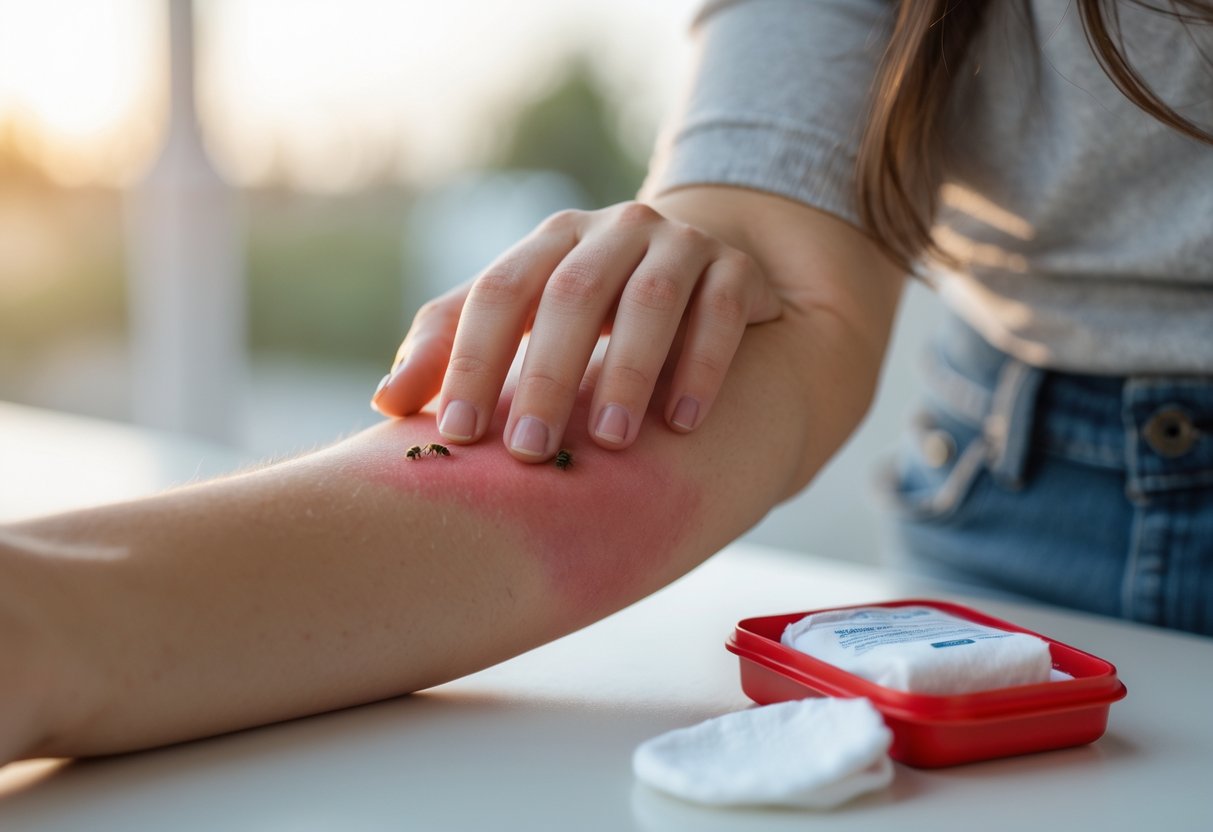
Sometimes, though, the sting site looks worse—maybe it’s getting redder, feels warmer, or you spot some pus. That’s when you should probably see a doctor, because antibiotics might help if there’s a real infection.
Let’s walk through what you should actually do after a bee sting and when to get medical help.
Do I Need Antibiotics After a Bee Sting?
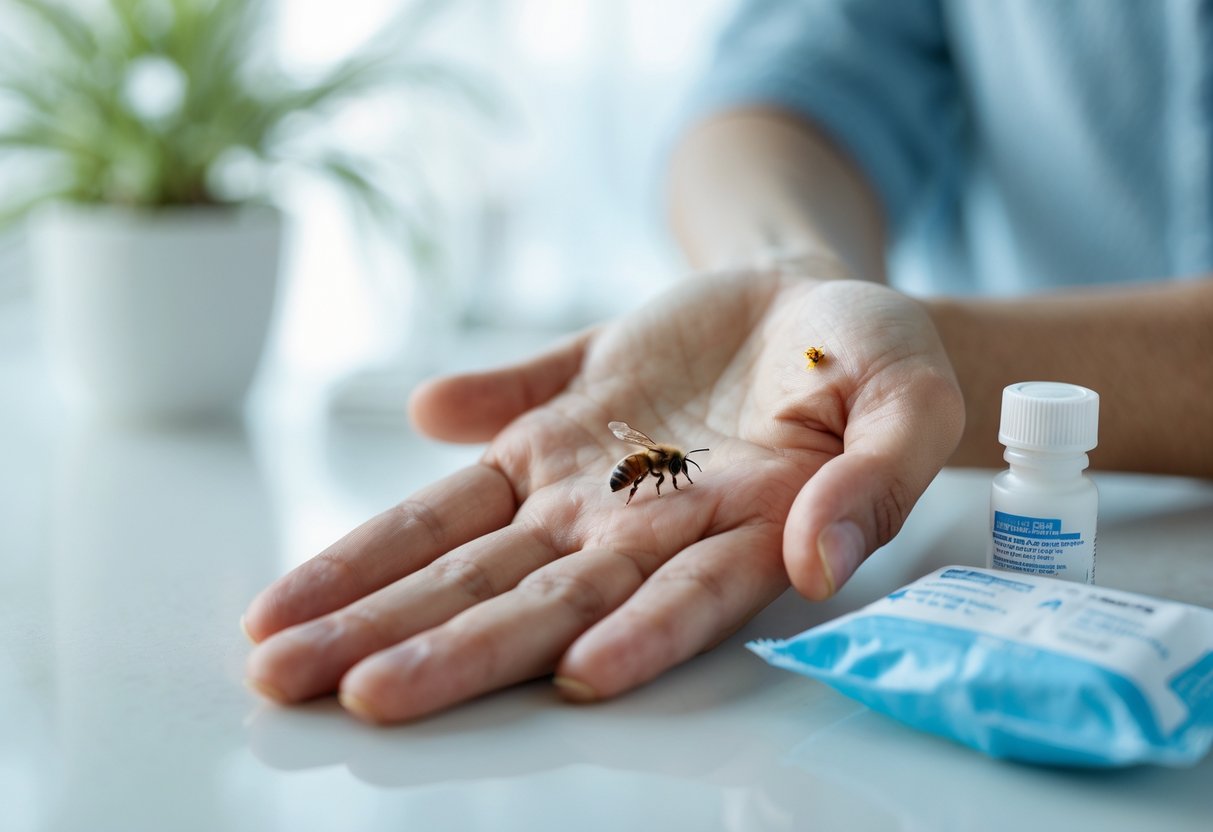
After a bee sting, your body can react in different ways. Most of the time, the reaction is mild and just goes away on its own.
Some warning signs, though, could mean infection or a bad allergic reaction. That’s when you might need medical care or even antibiotics.
Recognizing Normal Reactions Versus Infection
Most people get pain, redness, swelling, or itching where the bee stung them. Usually, these symptoms get better in a few hours or days.
But if the area starts swelling more, gets redder, or hurts more after a day or two, that could mean an infection is starting. You might notice yellow discharge or a crust, too.
Fever or redness that spreads out from the sting are also signs that bacteria might’ve gotten in.
Signs That Medical Attention Is Needed
You should call a doctor if you notice any of these:
- Pain, swelling, or redness that keeps getting worse or spreads out from the sting
- Pus or yellow stuff leaking out
- Fever or chills
- Trouble breathing, swelling of your face or throat, or dizziness (those are signs of a severe allergic reaction)
If you have a severe allergic reaction, you need emergency treatment right away. That might mean using an epinephrine injector or heading to the ER.
If your doctor thinks the sting is infected, they’ll probably prescribe antibiotics.
Treatment Options for Bee Stings
For mild reactions, grab a cold compress and put it on the sting to help with pain and swelling. An over-the-counter antihistamine can also help with itching.
Try not to scratch the sting—even though it’s tempting—because that can lead to infection. Wash the area gently with soap and water.
If you see signs of infection or things just keep getting worse after a few days, go see a healthcare professional.
Doctors don’t usually give antibiotics for bee stings unless there’s a clear infection. They’ll look for pus, fever, or redness that spreads before making that call.
Preventing Complications and Infections
To help prevent infection, clean the sting site gently and use a cold compress as soon as you can.
Keep the area dry and, again, don’t scratch. If you know you’re allergic to bee stings, always carry an epinephrine injector and make sure you know how to use it.
Pay attention to your symptoms over the next few days. If things get worse—like swelling, pain, or signs of infection—get medical help right away.
For more on treating infected bee stings, check out How To Treat Infected Bee Sting?
Understanding Severe Reactions and Other Insect Stings
Severe allergic reactions to insect stings can be really dangerous and need fast action. Wasps, hornets, spiders, and scorpions can all cause reactions that range from annoying to life-threatening.
Knowing what to do after getting stung or bitten can make a big difference.
Managing Allergic Reactions and Anaphylaxis
If you have a severe allergic reaction, you might notice swelling, trouble breathing, or dizziness. That’s called anaphylaxis, and it’s a medical emergency.
Here’s what to look for:
- Swelling of your face, lips, or throat
- Trouble breathing or swallowing
- Fast heartbeat or feeling dizzy
- Hives or a rash all over
If any of these happen, call 911 or get to the ER right away. Don’t wait—anaphylaxis can get worse in minutes.
Epinephrine Injection and EpiPen Use
The main way to treat a severe allergic reaction is with an epinephrine injection. Using an EpiPen as soon as possible can be life-saving by reducing swelling and helping you breathe.
Here’s how you use an EpiPen:
- Take off the cap.
- Press the tip firmly against your outer thigh.
- Hold it there for 3 seconds, then pull it away and rub the spot.
Even after using an EpiPen, you still need emergency medical care. You might need more treatment.
Stings From Wasps, Hornets, and Other Insects
Wasps, hornets, and some bees can sting more than once. Their stings usually hurt, get red, and swell up.
Most of the time, these stings heal without antibiotics because infection doesn’t happen often.
If you’re not allergic, just clean the area with soap and water. Put ice on it to help with swelling.
Pain relievers like ibuprofen can help if it hurts.
Keep an eye out for infection—warmth, pus, or redness that spreads. If you notice any of these, you might need antibiotics.
Bites From Spiders and Scorpions
Spider bites and scorpion stings can actually be more serious than bee stings. Some spiders pack venom that might cause anything from mild pain and redness to, honestly, pretty nasty tissue damage.
Scorpions? Their stings might leave you numb, make your muscles twitch, or even cause breathing trouble.
If one of these critters bites or stings you, here’s what you should do:
- Gently clean the wound.
- Throw on a cool compress.
- Keep an eye out for bad signs like redness that spreads, fever, or numbness.
If things start getting worse, don’t wait—get medical help right away. Sometimes doctors use antivenom to fight off the effects and keep things from getting complicated.


