
Most people expect pain, redness, and swelling right after a bee sting. Oddly enough, sometimes nothing happens for hours or even days.
A delayed reaction to a bee sting means your body doesn’t respond right away—swelling, redness, or allergic symptoms can show up well after you thought you were in the clear.
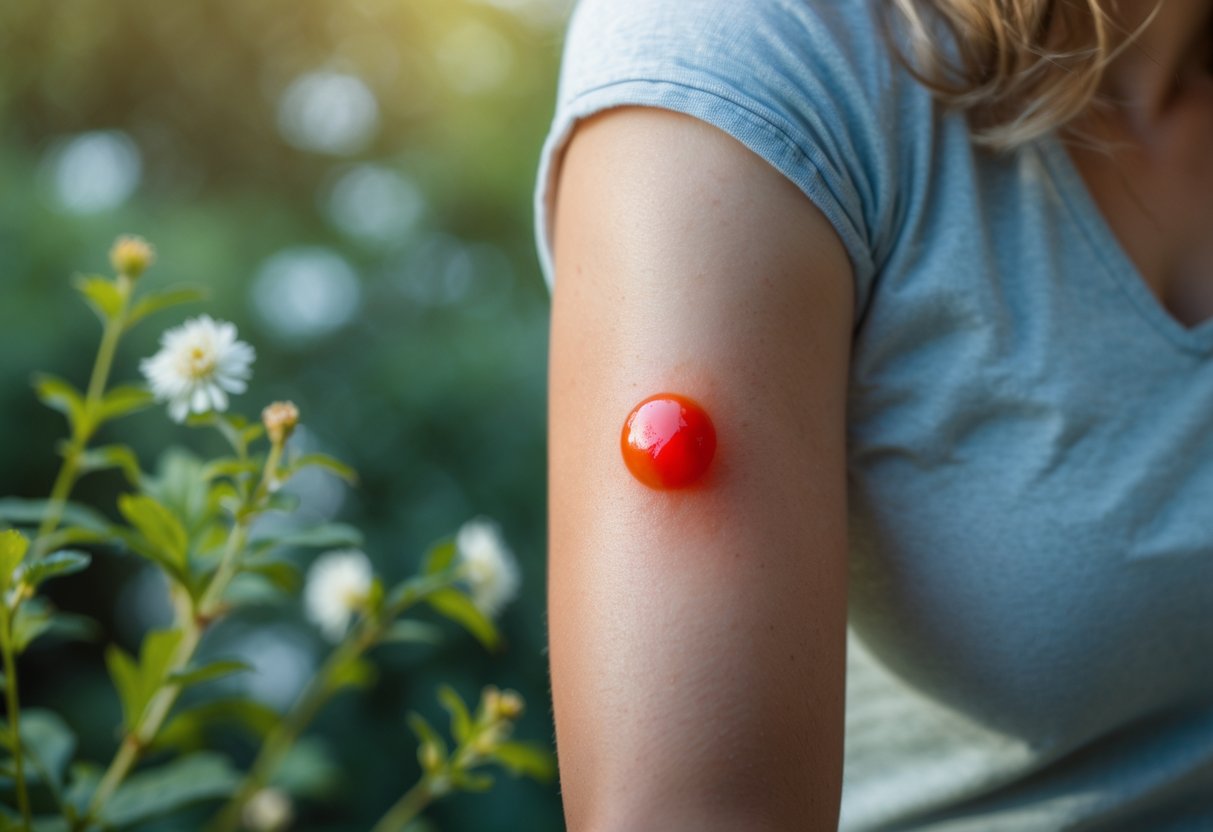
This sort of reaction can really throw you off. You might feel fine at first, then suddenly notice something’s not right much later.
Knowing about delayed reactions helps you figure out what’s happening and what to keep an eye on after a sting. If you’ve ever wondered why a sting seems to “come back” after a while, learning about these reactions can help you feel less anxious if symptoms pop up later than you’d expect.
For more details, check out delayed bee sting reaction information.
Understanding Delayed Reactions to Bee Stings

Sometimes, symptoms from a bee sting just don’t show up immediately. Your immune system can take its sweet time to react.
If you understand how these delayed responses work, you can spot problems earlier and get the right care.
What Is a Delayed Reaction to a Bee Sting?
A delayed reaction means symptoms start hours or even days after the sting. You might see redness, swelling, or a rash near the sting site long after the initial pain fades.
In rare cases, your body can develop more serious responses like serum sickness, which brings fever, joint pain, or fatigue. Not common, but it does happen, especially if you’ve been stung a few times before.
These reactions don’t look like the usual quick swelling or itching you get right after a sting.
For more info, check out delayed bee sting reactions.
How Bee Venom Triggers Delayed Symptoms
Bee venom packs several proteins that mess with your body. When you get stung, your immune system treats these proteins like invaders.
It releases chemicals to fight them, which causes pain and swelling. Sometimes, your immune system stays active longer than you’d expect.
This extended response can cause symptoms days later. Your body might even produce antibodies that keep inflammation going, even if the sting site looks fine.
If you’re allergic to insect stings or pollen, your immune system might react even more, raising the chance of delayed symptoms. This ongoing immune response is usually what’s behind delayed swelling or rashes.
Types of Delayed Immune Responses
Delayed reactions come in a few flavors:
- Local Delayed Reaction: Swelling and redness show up days after the sting, usually mild and just at the sting site.
- Serum Sickness: A more serious immune response—fever, rash, joint pain—about a week after getting stung.
- Delayed Anaphylaxis: Rare but dangerous. Severe allergic symptoms like trouble breathing or throat swelling pop up hours after the sting.
Each type happens after a delay, not right away. Figuring out which one you have helps you decide what to do next.
Differences Between Immediate and Delayed Reactions
Immediate reactions show up in minutes. You’ll feel sharp pain, swelling, redness, or maybe even signs of anaphylaxis like trouble breathing.
Those need fast medical help. Delayed reactions start hours or even days later.
Symptoms might sneak up on you—maybe a rash or swelling that sticks around. Usually, they’re less severe but still need attention if they get worse.
Here’s a quick comparison:
| Feature | Immediate Reaction | Delayed Reaction |
|---|---|---|
| Onset Time | Minutes to an hour | Hours to days after sting |
| Symptoms | Intense swelling, pain, possible shock | Prolonged swelling, rash, serum sickness signs |
| Urgency | Emergency (possible anaphylaxis) | Important but usually less urgent |
| Typical Cause | Quick immune or allergic response | Immune system’s longer-term reaction |
Knowing these differences helps you figure out when to get help after a bee sting. For more info, check delayed reactions to sting.
Symptoms, Risks, and Treatment for Delayed Bee Sting Reactions
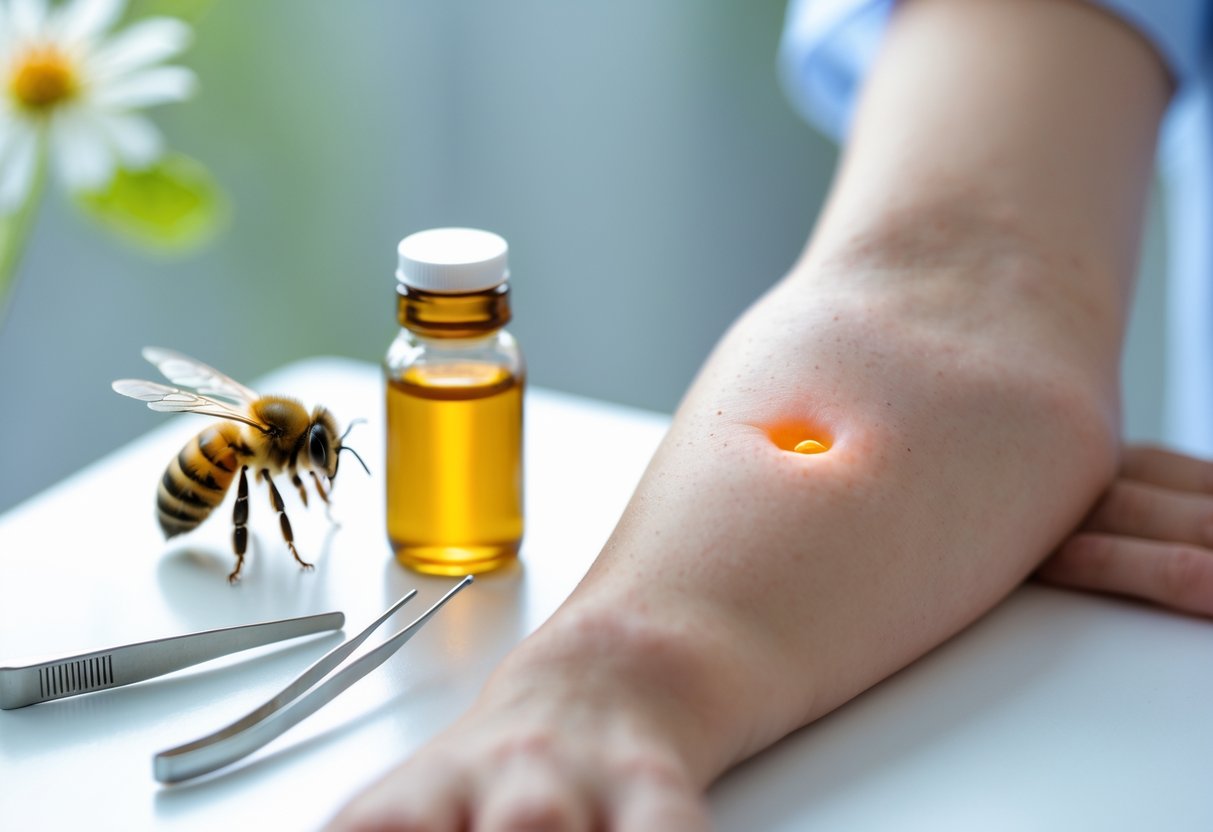
Delayed reactions to bee stings can bring swelling, pain, and other symptoms days—or honestly, even weeks—after the sting. Knowing what to look for helps you figure out when to see a doctor.
Treatment might include medications or allergy shots, depending on how bad things get.
Recognizing Delayed Symptoms
Delayed bee sting reactions usually start about 1 to 2 weeks after the sting. You might see swelling that lasts longer than normal or appears somewhere other than the sting site.
The area can feel painful or warm, thanks to inflammation. Other symptoms could be a rash, fever, or just feeling wiped out.
These signs mean your immune system is still fighting the venom. Unlike quick allergic reactions, delayed responses creep up slowly but can still be serious.
If you’ve had several stings or know you have allergies, pay extra attention for these delayed symptoms.
When to Seek Medical Attention
Get medical help if swelling spreads beyond the sting area or sticks around for more than a few days. Watch for things like trouble breathing, dizziness, or a tight throat.
These might mean anaphylaxis—a severe allergic reaction that needs emergency care. If you notice a fever over 101°F, a rash that spreads, or really intense pain, call your doctor.
Don’t wait if you’ve used an epinephrine auto-injector (like an EpiPen) before—use it right away if severe symptoms show up later.
Treatment Options and Medications
You can usually treat mild delayed reactions with over-the-counter antihistamines or corticosteroids. These meds calm inflammation and help with itching or swelling.
If you end up with a more serious reaction, your doctor might give you a short course of oral steroids. Sometimes, they’ll suggest venom immunotherapy—basically, your body learns to handle bee venom better over time.
If you have an epinephrine auto-injector, keep it close during allergy season. Seriously, this device could save your life if anaphylaxis hits.
Getting the right treatment makes a huge difference. It can help you feel better and might even lower your risk of a really bad reaction down the road.


