
Thinking about trying a bee venom patch? You’ll want to know what side effects might pop up. Most folks notice mild to moderate skin reactions—stuff like redness, itching, or irritation where you stick the patch. That’s pretty common, and for many, it’s just a bit uncomfortable, but sometimes things can get more serious.
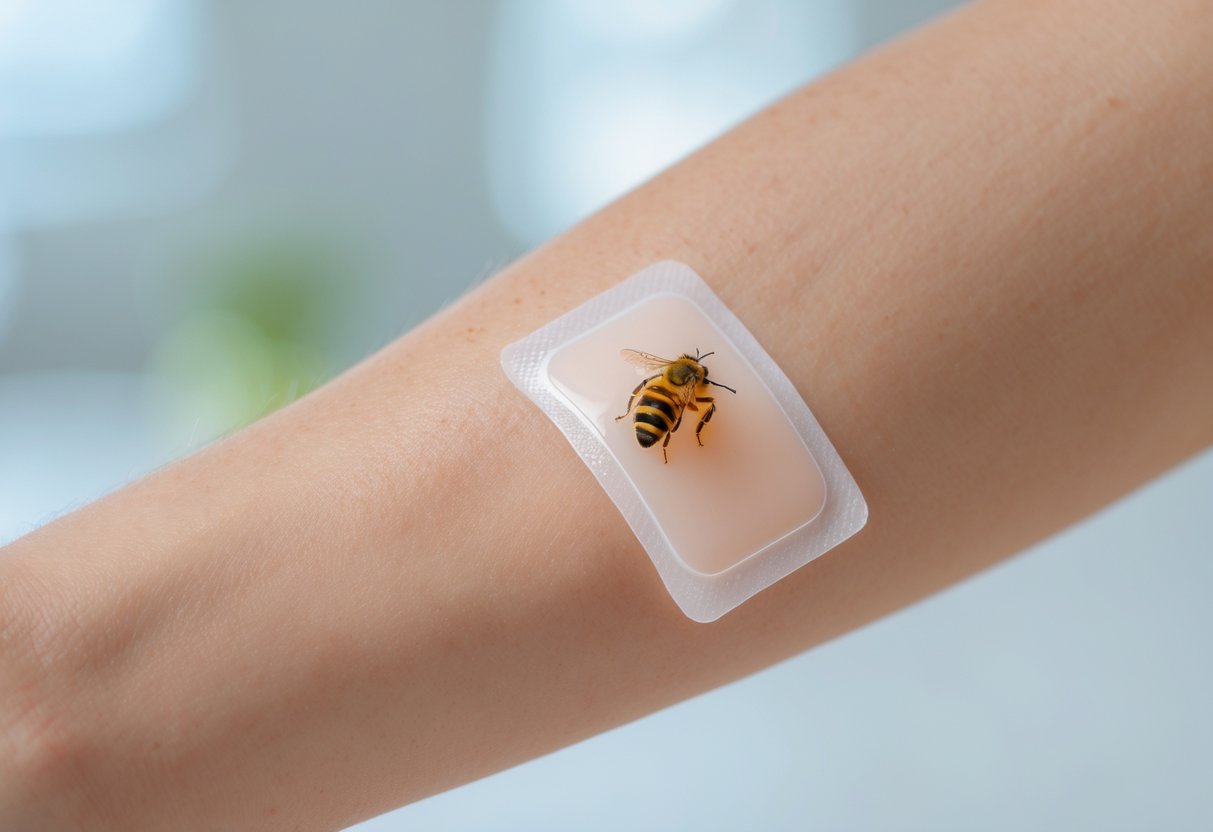
If you’re allergic to bee stings or bee products, you really need to be careful. Sometimes, though rarely, the patch can cause big problems—like swelling, trouble breathing, or other intense allergic reactions.
It’s smart to know what you’re getting into before you try it. That way, you can use the patch safely and figure out if it actually makes sense for you.
Common and Serious Side Effects of Bee Venom Patches

Bee venom patches can cause some mild skin reactions, but sometimes they trigger more serious allergies. It’s important to know the warning signs and when you should get help.
Frequent Adverse Reactions
Most people get a bit of skin irritation where they put the patch. You might see redness, swelling, itching, or feel a slight burn.
These symptoms usually show up soon after you apply the patch. They usually go away within a few hours or days.
Some folks notice mild stinging or tenderness, especially if their skin’s on the sensitive side. These reactions aren’t dangerous, but they can be annoying.
If your symptoms stick around for more than a couple days or get worse, stop using the patch. It’s probably time to check in with a healthcare pro.
Allergic Responses and Anaphylaxis
If you know you’re allergic to bee venom or bee stings, the patch can cause bigger issues. You could get severe swelling, hives, itching all over, or even trouble breathing.
Anaphylaxis, a life-threatening allergic reaction, can happen in rare cases. It comes on fast and you need emergency help right away.
Watch out for:
- Trouble breathing or wheezing
- Swelling of your face, lips, or throat
- Rapid heartbeat
- Dizziness or fainting
If any of that happens, get emergency help immediately. Not sure if you’re allergic? Getting an allergy test before using bee venom patches is honestly a smart move.
Symptoms to Watch For
When you use a bee venom patch, keep an eye out for anything beyond mild redness or itching. Pay attention to how you feel in the first few hours and days.
Look for:
- Severe swelling or rash that spreads past the patch area
- Difficulty breathing or swallowing
- Tightness in your chest or a fast heartbeat
- Feeling very dizzy or faint
If you get nausea, vomiting, or feel confused, that could mean a stronger reaction. Keep emergency numbers handy and don’t shrug off anything that feels unusual or gets worse.
Staying alert to your body’s signals helps you use bee venom patches more safely. If you want an even deeper dive, check out this review on the bee venom patch side effects.
Understanding the Benefits and Effectiveness of Bee Venom Patches
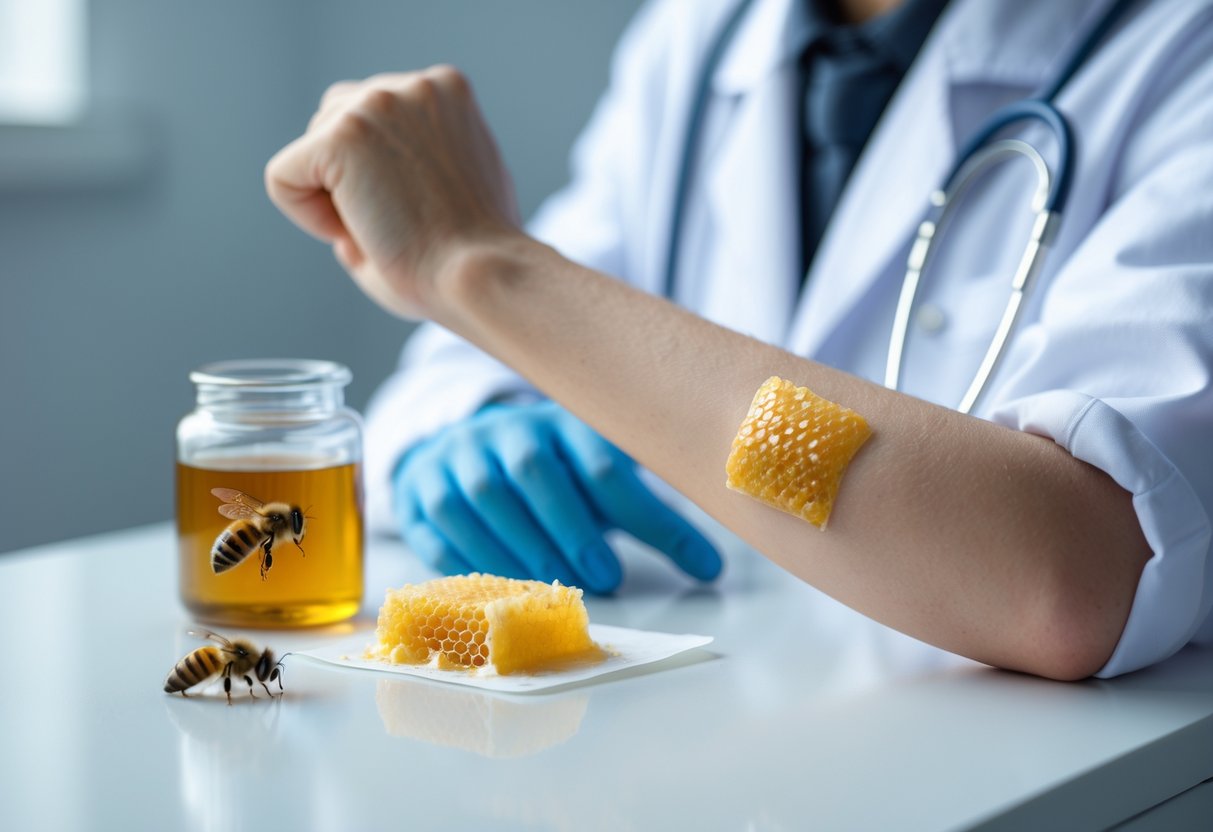
Bee venom patches deliver small amounts of compounds like melittin and apamin right through your skin. People use them for pain, skin health, and to calm inflammation.
How often you use the patch and where you put it can change your results. It’s a bit of trial and error for some.
Pain Relief and Joint Pain Management
Melittin, found in bee venom, has anti-inflammatory effects. If you’ve got arthritis or joint pain, sticking on a bee venom patch can help ease that pain.
The venom goes to work by lowering inflammation and calming nerve pain. Some people say their mobility improves and stiffness fades after a few treatments.
Results vary, though. It’s a good idea to watch your own reaction and talk with a healthcare provider about how often you should use the patch.
Skin Health Improvements
Bee venom patches might help your skin heal and even reduce things like wrinkles. Melittin can boost collagen, which keeps your skin firm and smooth.
If you use the patch on acne or scars, you might see less redness and faster healing. Apamin, another bee venom compound, could help your skin cells turn over better.
Still, you need to be careful—some people get irritation or allergies from bee venom. It’s not for everyone, and a little caution goes a long way.
Impact on Inflammation and Skin Conditions
Bee venom doesn’t just dull pain—it packs some serious anti-inflammatory effects that can help with skin issues like eczema or psoriasis. It soothes irritated skin and can ease both itching and swelling.
If you use bee venom patches regularly (but don’t go overboard), you might notice less inflammation in those stubborn spots. That could give your skin a better shot at healing itself and maybe even cut down on flare-ups.
Bee venom is pretty potent stuff, so you’ll want to stick to the directions and not get carried away. Overdoing it could definitely backfire with unwanted side effects.
For more details on getting the most out of bee venom patches, check out How to Use Bee Venom Patches for Maximum Effect.


