
Ever wonder why bees seem to single you out and sting when you least expect it? You’re definitely not alone in that. Bees notice certain colors, scents, and even how you move.
Bees mainly sting because they’re trying to protect themselves or their hive. Sometimes, if you look or smell like a flower, you might just end up on their radar.

Bright clothes, floral perfumes, and sweet foods catch a bee’s attention since they remind bees of flowers and food. If you know what attracts them, you can avoid a sting—and maybe stay a little calmer when bees are around.
It’s funny how a few simple changes can make being outside way less stressful. Some people just seem to attract bees more than others, don’t they? If you want more tips, here’s what really attracts bees to sting.
Core Reasons Bees Are Attracted to Sting You
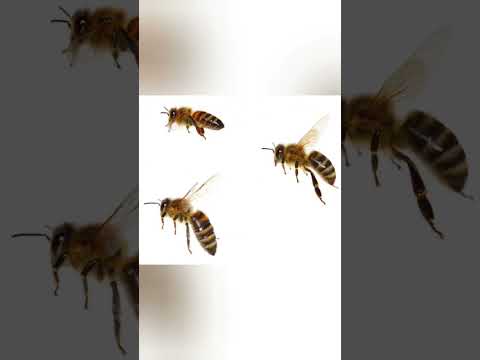
Bees mostly sting to protect themselves or their home. They react fast to anything that feels dangerous.
Their stings warn or stop threats. If you know why bees sting, you can keep yourself safer around them.
Threat Perception and Self-Defense
Bees sting when they feel threatened. If you get close or disturb them, they see you as a danger.
Bumping their hive or swatting at a bee can set them off. Honey bees don’t usually want to sting, since it can hurt them too.
They defend themselves from harm or predators this way. Wearing bright colors or strong floral scents can make you look like a threat, upping the odds of a sting.
Alarm Pheromones and Group Response
When a bee stings, it releases an alarm pheromone—a special chemical. This tells other bees that danger is nearby.
More bees can show up and sting to defend the hive. These pheromones make bees work together in defense.
If you smell sweet or floral, you might attract even more bees after one stings you. One sting can easily turn into several.
Proximity to Bee Nests
Bees guard their nests closely. If you get near a hive, they go on high alert.
Any sudden move or loud noise near their home can make them defensive. Even standing nearby can make bees nervous.
Honey bees especially protect their nests fiercely. If you avoid nests and stay calm, you’re less likely to get stung.
For more on bee behavior and what makes bees sting, check out this article on what attracts a bee to sting you.
Triggers and Factors That Increase Your Chances of Being Stung

Certain things around you can make a bee or wasp more likely to sting. How you look, what you smell like, and how you move all matter.
Knowing these triggers can help you avoid making bees feel threatened.
Bright Colors and Floral Patterns
Bees and other pollinators, like bumble bees and wasps, love bright colors and floral patterns. These colors remind them of flowers where they find nectar and pollen.
Wearing red, yellow, or floral prints gets their attention more than neutral colors. If you want to play it safe, go for light-colored clothes with smooth textures.
Dark or patterned clothes can make bees think you’re part of the plants. Avoid bright or flowery outfits if you’ll be in areas with lots of bee activity.
Sweet Scents, Nectar, and Food
Bees follow sweet scents to find nectar and food. Wearing strong perfumes, scented lotions, or using floral-smelling soaps can attract bees without you realizing it.
These sweet smells confuse bees, making them think you have nectar. Eating or drinking sugary foods and drinks outside also ups your risk.
Bees love fruit juices, sodas, or desserts. Keep sweet treats covered and skip strong scents if you want to lower your chances of a sting.
Sudden Movements and Vibrations
Quick movements or sudden gestures can really freak bees and wasps out. They tend to see fast motions as a threat and might sting to defend themselves or their hive.
Honestly, swatting at a bee usually just makes it more anxious and more likely to sting you. If a bee gets close, try to stay calm and just move away slowly.
Loud noises or heavy footsteps near a hive shake things up and can set off their defenses. If you keep your actions smooth and gentle, bees usually just leave you alone.
For more tips on how to avoid bee stings, check out this guide on what attracts a bee to sting you.


