
If a wasp stings you, you might wonder just how fast anaphylactic shock can set in. Usually, anaphylaxis begins within minutes—often in the first 30 minutes—but sometimes, it might take a few hours to show up. That’s a little unnerving, honestly.
Knowing this helps you stay alert and ready to get help if severe symptoms pop up.

Anaphylactic shock is a dangerous allergic reaction that affects your whole body. It needs emergency care, no question about it.
Some people only get mild symptoms at first, but others might suddenly struggle to breathe, get dizzy, or start swelling right after the sting.
It’s important to understand the timing of these reactions so you can keep yourself or someone you care about safe.
Being prepared and knowing what to look for really matters. Even if you’ve never reacted badly before, it’s smart to stay cautious—sometimes, reactions are fast and severe.
Let’s walk through what you can expect and when you should reach out for medical help after a wasp sting.
Timeline of Anaphylactic Shock After a Wasp Sting

Anaphylactic shock after a wasp sting can come on fast, but sometimes it takes a bit longer. If you know when symptoms usually start, you can act quickly if you or someone else is at risk.
Immediate Onset of Symptoms
Most severe allergic reactions kick in within minutes. You might notice hives, swelling at the sting site, trouble breathing, or dizziness almost right away.
Your body reacts by releasing chemicals that cause inflammation and narrow your airways.
If your throat feels tight, you can’t breathe well, or your heart races in the first 5 to 30 minutes, those are emergency signs. Grab your epinephrine auto-injector and call emergency services—don’t wait.
Typical Time Frame for Reaction
Many people experience anaphylaxis quickly, usually within half an hour after the sting. Symptoms can start as mild swelling and then get much worse—think trouble breathing, low blood pressure, or even fainting.
Keep an eye out for anything new or getting worse during this window.
Even if things seem mild at first, you should still get medical help. Responding fast, especially in those first 5 to 30 minutes, gives you a better shot at avoiding serious problems.
Delayed Anaphylaxis After a Wasp Sting
Sometimes, though it’s rare, anaphylactic reactions don’t show up until hours later. That’s because your immune system can be a bit slow to react in some cases.
If you feel fine at first but later start swelling, get dizzy, or have trouble breathing, treat it like an emergency. Delayed anaphylaxis can still be life-threatening, even hours after the sting.
Don’t ignore new symptoms that show up later—they’re less common, but they do happen.
For more details on how quickly anaphylaxis can happen after a wasp sting, check out this page on how long anaphylaxis can occur.
Key Symptoms and Emergency Response
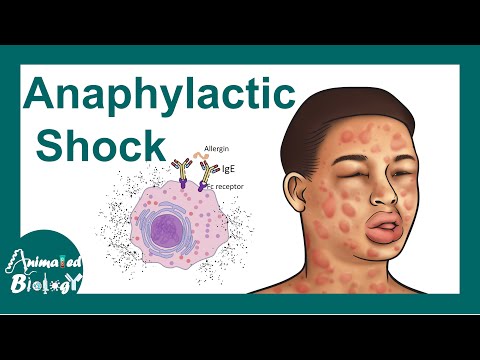
An anaphylactic reaction after a wasp sting can start really fast. Knowing what to look for and what to do next is crucial.
You need to move quickly to prevent things from getting worse and to get the right treatment.
How to Recognize Early Signs
The first signs of an allergic reaction might show up within minutes. Watch for itching, swelling, or a rash—sometimes hives—on your skin.
Your tongue or throat might swell, making it tough to swallow or breathe. If your chest feels tight or you’re wheezing, that’s serious.
You could also feel dizzy, nauseous, or even faint. That means your body is reacting strongly.
These symptoms happen because your body releases histamine and other chemicals during the allergic response.
If you notice a rash, itching, or breathing trouble, don’t wait around—get help.
When to Use Epinephrine and Other Treatments
If you know you’re allergic or you start to feel severe symptoms, use an epinephrine auto-injector (like an EpiPen) right away. Epinephrine acts fast to open your airways and cut down swelling.
After you use epinephrine, call emergency services or get to the hospital as soon as possible.
Antihistamines like diphenhydramine (Benadryl) might help with itching or a rash, but they won’t replace epinephrine for a serious reaction.
Quick use of epinephrine can save your life. If you’re having trouble breathing, swelling, or chest tightness after a wasp sting, don’t wait—take action.
Factors That Influence Speed and Severity
How fast anaphylaxis hits—and how bad it gets—really depends on a few things. Your past reactions to stings matter, as does your overall health.
Some people notice that a first sting only causes a mild problem, but the next one? It might set off symptoms a lot faster and with more intensity. Where the sting lands on your body and how much venom gets in can also change how quickly things escalate.
If you know you have an allergy, keeping an epinephrine pen nearby just makes sense. Even if you start to feel better, you should still get emergency care, since things can turn serious in no time.
For more info on handling wasp sting reactions, check out wasp sting emergency care.


