
Ever wondered how to spot a queen bumblebee? It’s honestly not that tricky once you know the signs.
A queen bumblebee looks bigger, rounder, and just fuzzier than all the workers and drones buzzing around.
You’ll usually spot her near a nest or searching for a new spot to start her colony, especially in the spring.

Knowing the difference can be pretty fun, especially if you’re into watching bees or just curious about their role in nature.
Once you can pick out the queen, you’ll start to notice how central she is to the whole colony—she really does look a bit different from the others.
Key Ways To Identify A Queen Bumblebee
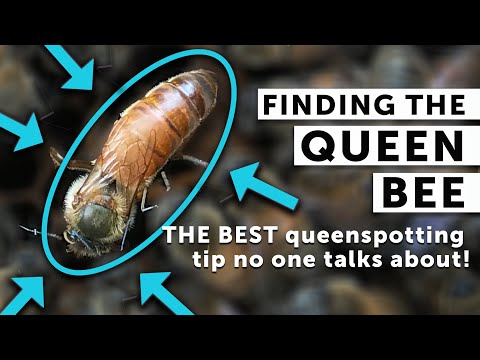
You can spot a queen bumblebee if you pay attention to her size, behavior, and even what she’s carrying while flying.
These clues make it easier to tell queens apart from worker bees and males, no matter the species.
Size and Physical Traits
Queen bumblebees are the largest in the colony.
They usually measure between ¾ to 1 inch (2 to 2.5 centimeters) long, which is noticeably bigger than the workers and males.
Queens have thick, stocky bodies that really stand out if you compare them to the smaller workers.
You might also notice a slightly wider abdomen on the queen.
In some species, like the red-tailed bumblebee (Bombus lapidarius) or Bombus pascuorum, the queen shows off brighter or more distinct color markings.
This size and shape difference is probably the easiest way to spot a queen quickly.
Behavioral Differences
Queen bumblebees move slower and with a sense of purpose.
You might catch them flying deliberately toward certain flowers or specific locations.
Queens don’t collect pollen as often as workers do.
In early spring, you’ll see them searching for a good nest site to start a new colony.
Their main job is laying eggs and controlling the colony’s growth.
During nest inspections, queens usually stand out because they hang around the nest or walk with a kind of confidence, while workers stay busier and more scattered.
Pollen Loads and Nest Searching
Worker bumblebees usually carry big, visible pollen loads on their legs as they gather food.
Queens rarely do this since their main job is to find a nest and lay eggs.
In spring, you might spot queens near patches of flowers like crocuses or pussy willow, actively looking for nesting spots.
If you see a large bumblebee flying slowly over open ground or flower patches, it’s probably a queen getting ready to start her own colony.
Queen Bumblebee Life Cycle And Role

The queen bumblebee kickstarts the whole colony by building a nest and laying the first eggs.
She’s much bigger than the others and basically runs the show when it comes to colony growth.
If you want to understand her, it helps to know how she acts at each stage, what makes her stand out, and how she handles threats like cuckoo bumble bees.
Emergence And Nesting
After winter hibernation, the queen wakes up hungry for nectar and pollen.
She needs this energy before she can find a spot to start a new nest.
Usually, she’ll pick a hidden place, like an underground hole or a pile of leaves.
Once she’s settled, she lays fertilized eggs that become female workers and unfertilized eggs that turn into males.
The queen takes care of the first brood all by herself—feeding the larvae and keeping the nest warm.
This stage is a big deal because she’s the only bee keeping things going until workers hatch and help out.
Differences From Workers And Males
The queen is larger and stronger than both worker and male bumblebees.
Her bigger abdomen lets her lay hundreds of eggs.
Workers are smaller females who can’t lay fertile eggs.
Males look different too; they don’t have stingers and mainly exist just to mate with new queens.
The queen’s pheromones keep the colony in check and slow down egg-laying in other females.
Her role is unique—she starts the colony, lays eggs, and keeps everything running smoothly.
You’ll often spot a queen by her slower, more purposeful flying and her bigger size compared to the others.
Interactions With Cuckoo Bumble Bees
Cuckoo bumble bees are pretty sneaky invaders. They don’t bother building nests or gathering food at all.
Instead, these bees just slip into your queen’s colony and lay their eggs right in her nest. You won’t see them producing workers; their larvae count on the host workers to feed them.
The queen bumblebee tries hard to protect her nest and colony. But cuckoo bees use clever tricks, like mimicking pheromones, so they can blend in.
If cuckoos manage to take over, your colony’s workers might end up caring for the cuckoo’s young instead of the queen’s. That really hurts the colony and can even destroy it.
It’s honestly wild how much trouble these cuckoo bumble bees can cause. Want to learn more? Check out this guide on the queen bumblebee’s life cycle and her role in the colony.


