
Ever wondered why bees seem to hold such a special spot in UK folklore? There’s a whole world of stories behind it. Folks in England, Scotland, and Wales have always seen bees as wise, sometimes even sacred.
One of the most touching traditions is “telling the bees” when important things happen—especially after a death in the family. This custom really shows how much people respected bees and felt they were part of the family.
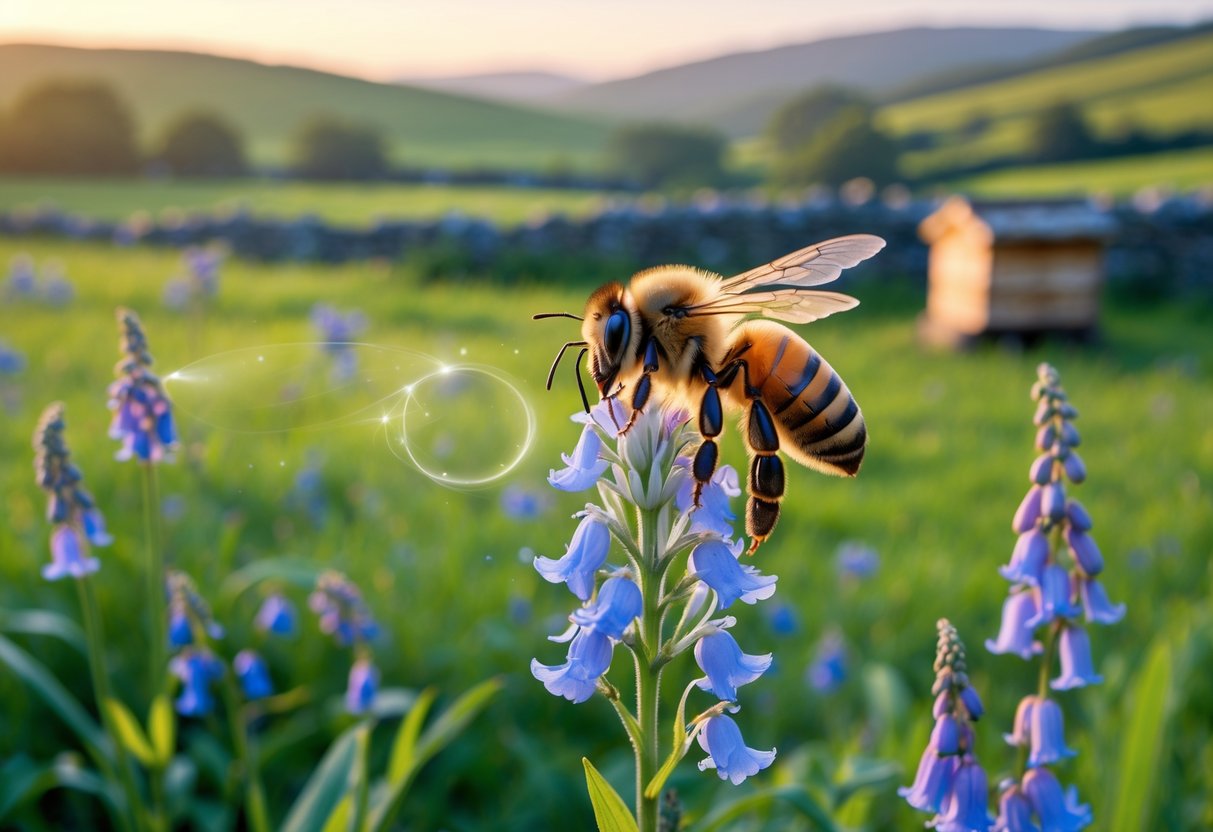
You’ll spot bees in old sayings, rural customs, and even religious symbols. People used beeswax to make church candles, and St Ambrose, the patron saint of beekeepers, is closely tied to bee lore.
These traditions have lasted for centuries. They reveal how much folks valued bees—not just for honey, but as a living part of nature.
If you’re curious about old beliefs or just love the outdoors, the folklore of bees in the UK is full of surprises. There’s something heartwarming about these tales. Dive deeper into UK bee folklore and traditions.
Key Traditions and Superstitions of Bee Folklore in the UK

Bees have always been part of daily life in the UK. People see them as more than insects—they carry messages, mark changes, and connect communities to nature.
Many traditions center around caring for your beehives with respect.
Telling the Bees Custom
In rural UK, people felt they had to “tell the bees” when big things happened. They’d go to the hive and share news of births, marriages, or especially deaths.
If you forgot to tell the bees about a family death, the bees might leave, stop making honey, or even die. That’s what folks believed.
You’d gently knock on the hive or speak softly, letting them know about the change. This tradition shows how close people felt to their bees—almost like family.
Even today, some remember this old practice. It really highlights how important bees were in village life. Get more on telling the bees.
Bees as Messengers and Omens
People often saw bees as messengers from the spirit world. Spotting a swarm in May was lucky and meant new beginnings.
If your hive acted strangely, folks would take it as a sign—maybe a warning or a hint of things to come.
Some believed bees could bring messages from the dead or even predict the future. People watched their behavior closely, thinking bees had wisdom and mystery.
Beeswax in church candles tied them to holiness and saints like St Ambrose. That added another layer to their sacred reputation. You can read more at Ealing Wildlife Group.
Superstitions Surrounding Beehives
Beehives sat at the center of many superstitions. People often kept a key near the hive, believing it would protect the bees.
If you didn’t follow certain customs, some thought the bees would swarm or even die.
The hive’s health seemed to reflect the family’s well-being. If the bees started acting odd or weren’t making honey, it could spell trouble at home.
People paid close attention, using these signs to guide how they cared for their hives. Curious about more? Check out beehiveyourself.co.uk.
Proverbs and Seasonal Beliefs
Old sayings often link bees to the seasons. “A swarm of bees in May is worth a load of hay”—that’s a classic, hinting at good times ahead.
People noticed that bees worked hardest in the warm months. Their activity could even help predict the weather.
Watching bees in early spring gave clues about the coming season. These proverbs helped farmers and villagers plan their work and respect the rhythms of nature. There’s more at knowanimals.com.
Bees in British Rural Life, Spirituality, and Folklore
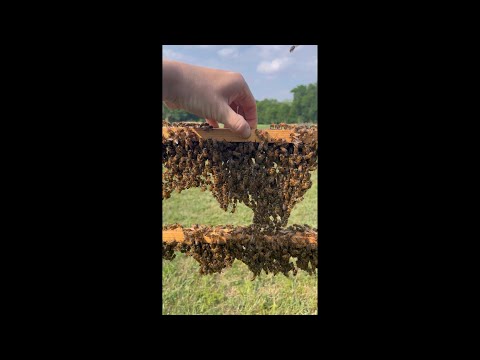
Bees have shaped British rural life in all kinds of ways. Their influence blends practical skills with a deeper sense of meaning.
Your connection to bees ties into old traditions like beekeeping, sacred stories, and family customs around life and death.
Beekeeping and Rural Crafts
If you wander through British rural crafts, you’ll notice beekeeping stands out. People passed down this skill for generations.
Keeping bees meant more than just getting honey. It took patience, care, and a feel for nature’s rhythms.
Beeswax was valuable too, used for candles and around the home.
You’d also find mead—a honey-based drink—at celebrations, especially during harvest.
Mark Norman, who writes about rural crafts, points out how beekeeping fits into the bigger picture. It’s where stories and skills mix, and that helps you see why bees mattered so much.
Bees in Mythology and Sacred Traditions
Bees show up a lot in British sacred stories. You’ll hear about St Ambrose, a saint who’s seen as their protector.
People used beeswax for church candles, which gave bees a spiritual role.
In folklore, some thought bees could carry messages between the living and the spirit world. That idea made them seem holy, linking everyday work with something larger.
This deep respect for bees goes way back—honestly, it’s lasted since medieval times. Their symbolism still runs through British culture.
Symbolism in Death and Family Life
Across much of the UK, people have followed an old custom called “telling the bees” whenever someone in the family died. You’d go out and actually tell your bees about the loss, hoping it would keep them calm and loyal.
Many families believed that if you didn’t inform the bees, they might just abandon the hive or refuse to make honey. This bit of folklore really shows how closely people linked their own life and death events to the wellbeing of their bees.
These traditions reveal a deep respect rural folks held for bees. I mean, they basically treated them as part of the family, woven right into the whole cycle of life.
If you’re curious, you can read more about these customs at The History Press or check out insights from beekeeping experts like Mark Norman.


