
So, you’ve spotted bees buzzing around your yard and you’re probably thinking—will they just leave on their own, or do you actually need to do something? Bees, especially honey bees, usually stick around if they’ve found a good home with plenty of food. As long as they’ve got shelter, food, and decent weather, they’re not in a hurry to move out.

Sometimes, bees pack up and go if their hive gets too crowded or if they run out of food or water nearby.
Big swings in temperature can push them to leave, too.
But if your yard checks all their boxes, they might hang around for quite a while.
Honestly, knowing why bees stick around or move on helps you decide if you should just wait it out or actually do something.
Plus, it keeps both you and the bees out of trouble.
If you’re curious about handling bees naturally, just keep reading.
Can Bees Go Away on Their Own?
Bees don’t always settle in one spot forever.
Their decision to move depends on things like how crowded their hive is, whether they can find food, and what the weather’s doing.
Sometimes, honey bees just decide to leave and hunt for a better place.
If you get why and when they move, you’ll have a better idea if they’ll leave on their own.
Why Bees Swarm and Relocate
When their hive gets packed, bees swarm.
The old queen takes off with a bunch of worker bees to start fresh somewhere else.
Scout bees go out and look for a good new spot before the swarm picks a place.
Swarming lets the hive grow and keeps it from getting too crowded.
It usually happens in spring or early summer, when flowers are everywhere and food is easy to find.
Swarms don’t hang around long—they move on once they’ve picked the right place.
If you spot a bee swarm, don’t panic.
They’re just searching for a new home, not looking for trouble.
Factors That Cause Bees to Leave
Bees bail on a hive when things get rough.
If food or water runs out, honey bees will move.
Bad weather, like cold snaps or heavy rain, can push bees to abandon their hive.
Sometimes, damage to the hive or pests make life tough for the colony.
Bees want a safe, clean place to live.
If their home isn’t safe, they’ll swarm or just leave.
If bees stay in your yard, it’s probably because they like the food and shelter.
They don’t leave unless they have to.
How Long Bees Typically Stay in One Place
Honey bees stick with a hive as long as things are good.
This could mean weeks, months, or even years.
If there’s plenty of food and the hive stays healthy, bees might stay all season.
But if it gets crowded or resources run low, they’ll swarm and move on.
A new swarm might rest in a tree for just a few hours or maybe a couple of days while scouts check out new spots.
After that, they’ll head off to settle somewhere else.
If you know how long bees usually stay, it’s easier to decide if you should just leave them alone or step in.
For more on bee swarming and why they leave, you can check out bee swarming and relocation.
What to Do If Bees Don’t Leave

Sometimes bees just won’t leave, especially if they’ve landed on a prime spot with food nearby.
If you can tell the difference between a temporary swarm and a hive that’s settled in, you’ll know what to do next.
And let’s be real, safety matters—especially if you’ve got kids or anyone allergic to stings.
Identifying Swarms Versus Established Hives
Swarms usually show up as a big clump of bees hanging out on a tree branch or some surface.
They’re just resting and usually move on within a few days while looking for a permanent home.
An established hive is different.
You’ll spot it attached to something like a tree trunk, wall, or even your roof.
It can get pretty big, and you might see honeycomb inside.
These bees have decided to stay and start making honey.
If you know which one you’re dealing with, it’s easier to pick your next move.
Swarms typically leave on their own, but a hive will stick around unless you do something.
Risks of Waiting Too Long
If bees set up a hive on your property and don’t leave, you’ve got some risks to think about.
Bees can get defensive if they feel threatened.
That’s a real problem if anyone nearby is allergic to stings.
A big hive can actually damage your place, especially if it’s inside walls or wood.
Honey and wax can attract other pests, and sometimes they even cause rot or cracks.
The longer you wait, the harder and pricier it gets to remove them.
If you see bees staying for weeks, it’s probably time to make a plan.
Safe and Humane Bee Removal Options
Try to avoid harsh chemicals—they kill bees and mess up the environment.
Instead, go for gentle methods.
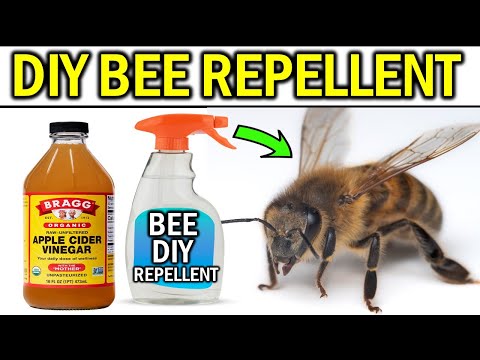
You can use scent repellents like citronella or cinnamon to nudge bees to leave.
Planting bee-repelling plants near the hive might help, too.
If you call in a pro, they’ll carefully relocate the bees without hurting them.
That keeps bee populations healthy, which is pretty important for pollination and, well, honey.
If you try DIY methods, make sure you wear protective clothing and watch out for stings.
When to Call a Beekeeper
If bees just won’t leave, it’s usually best to call a beekeeper. They know how to tell whether you’re dealing with a swarm or a full hive.
Beekeepers can safely remove the bees and move them somewhere better, where the bees can keep making honey. That way, you stay safe and the bees get to keep doing their important work as pollinators.
Notice bees clustering inside your walls? Or maybe you spot a big group hanging around for hours, or you see damage from a hive? Go ahead and reach out to a local beekeeper.
Most beekeepers will help for free or just a small fee, since they actually want those bees for their own hives.


