
Want to keep bees from hanging around? Try using natural repellents like citronella, cinnamon, or even vinegar to make your yard less tempting.
Seal up your food and clean up trash, since bees usually go straight for strong smells. If you can, skip planting flowers or shrubs that bees love—sometimes that’s all it takes.

You don’t need to hurt bees to keep them away.
Just tweak a few things around your home or garden, and you can stay comfy outside while letting these pollinators do their thing elsewhere.
A few easy tricks make it possible to enjoy your yard without worrying about bees buzzing right next to you.
You’ll find more ideas and safe methods out there for keeping bees away naturally.
Most Effective Natural Ways to Keep Bees Away
Certain plants, scents, and even stuff you already have at home can keep bees away without harming them.
Natural sprays and essential oils really do help create a bee-free zone around your house or yard.
Scents and Plants Bees Dislike
Bees usually steer clear of strong-smelling plants like citronella, eucalyptus, cinnamon, lemongrass, and cloves.
Try planting some of these around your yard or patio to keep bees from coming near.
Citronella is famous for keeping bugs away. You can use its oil in a spray or burn it in candles.
Cinnamon and cloves have sharp scents that bees don’t like. Sprinkle some ground cinnamon or hang little sachets of cloves near where you sit outside.
Lemongrass gives off a fresh, citrusy smell that bees avoid. Keep pots of lemongrass near windows or picnic tables for extra protection.
Space these plants out where bees usually show up, like by garbage bins or flower beds.
Natural Bee Repellents and DIY Sprays
Making your own bee repellent spray is easy.
Just mix water with peppermint oil or citronella oil—that’s one of the simplest ways to keep bees away.
Try this quick DIY spray:
- 1 cup water
- 10-15 drops peppermint oil
- 10 drops citronella oil
Pour everything into a spray bottle and shake it up. Spray around picnic spots, doorways, and plants to keep bees at bay.
Garlic works too. Crush a few cloves, soak them in water overnight, then strain and spray where you need it.
Natural sprays won’t hurt bees, but they’ll make your space less appealing.
Using Household Items to Deter Bees
You might already have what you need at home.
Organic baby powder is one example. Sprinkle a bit around your outdoor spaces, and bees will usually stay away.
You can also use mothballs or dryer sheets. Put them near spots where bees build hives or often gather—the strong smell keeps them away.
Vinegar works in a pinch. Spray it around or soak cotton balls and leave them where bees are a problem. The strong scent drives bees off without hurting them.
These household tricks are cheap and quick for keeping bees in check.
Essential Oils for Repelling Bees
Essential oils are a safe, natural way to keep bees away.
Try peppermint oil, citronella oil, eucalyptus oil, or lemongrass oil—bees really don’t like those scents.
Here’s what you can do:
- Mix oils with water for a spray
- Dab a few drops on cotton balls and place them around your yard
- Use a diffuser outside while you relax
Peppermint oil, with its menthol, works especially well to keep bees away. Citronella oil is a classic for keeping insects at bay.
You can combine different oils for a stronger effect. Just remember to reapply sprays after it rains or every couple of days.
Used right, essential oils are safe for your family and pets.
You can check out more details on these methods if you want to go deeper.
Reducing Bee Attraction Around Your Home and Garden
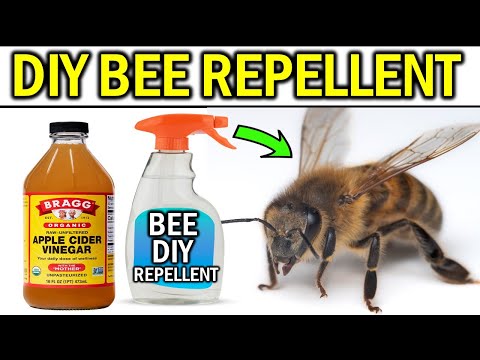
You can cut down on bees visiting by changing up what attracts them most.
Foods, certain plants, and even hummingbird feeders all play a role in bringing bees closer. Tweak these, and you’ll help keep bees—including honeybees and ground bees—at a safer distance.
Managing Food and Garbage
Bees love sweet smells and foods, so keep food and trash tightly sealed.
Use lidded containers for garbage and compost to hide scents that attract bees and wasps.
Clean up outdoor eating spots right after you use them to get rid of spills or crumbs.
Don’t leave sugary drinks or fruit sitting out. Bees will find pet food too, if you leave it outside. If your pets eat outdoors, bring their dishes in when they’re done or clean up quickly.
Lighting citronella candles or using natural repellents nearby can help keep bees away from your eating areas.
Choosing and Arranging Plants
Your garden plants can attract or repel bees.
Bees flock to flowers with lots of nectar and pollen—think sunflowers, daisies, asters, goldenrod, lilacs, poppies, lavender, and honeysuckle.
To keep bees away from your main hangout spots, avoid planting these near patios or doorways.
Instead, put bee-friendly plants farther away from where you spend time.
You can add plants that bees dislike, like eucalyptus, citronella, or mint, to act as a barrier.
Try grouping your plants so flowers that attract bees stay in one part of your yard. This helps keep bees from wandering too close to your home.
Keeping Bees Away from Hummingbird Feeders
Hummingbird feeders with sweet nectar? Bees notice them right away. Try using feeders that have bee guards or smaller feeding ports—those seem to help.
Set up your feeders away from doors, windows, or spots where people like to sit. That way, bees won’t bother you as much.
Wash the feeders often. If you let them get moldy or let the nectar ferment, bees will just show up even more.
Some folks put a tiny feeder with sugar water out just for the bees, far from where the hummingbirds eat. It might sound odd, but it keeps the bees occupied somewhere else.


