
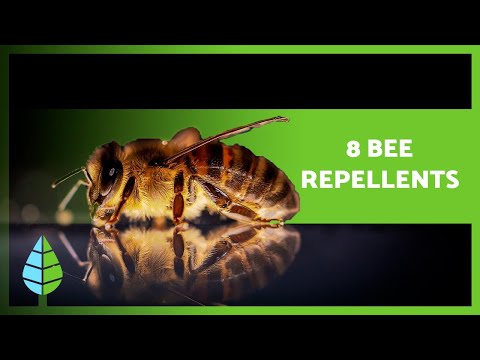
If you want to keep bees away from your patio, garden, or outdoor space, it helps to know what actually scares them. Bees really don’t like strong smells like peppermint, eucalyptus, or citronella.
You can use these scents or grow certain plants to nudge bees away—no need to hurt them. Natural scents and sprays like vinegar, or herbs such as mint and citronella, work surprisingly well to keep bees at bay.

Colors matter too. Bees usually avoid dark colors like black or brown, probably because those shades seem threatening to them.
Try adding bee-repelling plants or spraying natural mixtures around your home. When you understand how bees react to their environment, you can keep them at a distance and still respect their place in nature.
You don’t need harsh chemicals to keep bees away. Honestly, simple natural tricks are easy to try and usually do the job.
Curious what else you can do to enjoy your yard without all that buzzing? Let’s dig in.
Proven Methods and Natural Scents That Scare Bees Away

You can use natural scents and everyday items to send bees packing without hurting them. Peppermint and eucalyptus are strong enough to drive bees away, and even marigolds can help create a barrier.
Simple household stuff like vinegar and garlic also does the trick.
Essential Oils and Strong Aromas
Essential oils pack a punch when it comes to repelling bees. Peppermint oil, eucalyptus, and citronella oil are some of the best choices.
Mix a few drops of these oils with water and spray around your patio or deck. That keeps bees away in a gentle, natural way.
Cinnamon and clove oils work too, but they’re a bit stronger—maybe use them sparingly. Vanilla doesn’t repel bees, so don’t bother with that one.
Try soaking cotton balls in your chosen oil and set them around your outdoor space for a longer-lasting effect.
Plants and Herbs Bees Dislike
Some plants naturally send bees in the other direction. Marigolds are a bright, easy option for keeping bees away.
Mint and peppermint work too, since their scent is a bit much for bees. Garlic is another one bees can’t stand.
Try growing garlic in pots or garden beds near spots you want to protect. Honeysuckle, though, brings bees in—so skip that if you’re trying to keep them away.
Household Items That Repel Bees
You probably already have some bee-repelling items in your kitchen. Vinegar is a favorite for this.
Wipe down surfaces with vinegar or use a vinegar-water spray to make your hangout spots less tempting to bees.
Mothballs also keep bees away with their strong odor, but keep them far from kids and pets, since they’re toxic if eaten or touched.
Cucumber peels give off a scent bees dislike. Toss fresh peels around your patio or table, and you might notice fewer bees buzzing by.
Common Scents Bees Avoid Outdoors
Outside, bees steer clear of certain strong smells, which can help you protect your garden or picnic. Citronella is a classic—people use it in candles or torches to keep both bees and bugs away.
Peppermint, eucalyptus, cinnamon, and vinegar all make bees think twice before coming closer. Mixing and matching these natural scents around your yard can make it way less inviting for bees, but still pleasant for you.
Try spraying peppermint oil mixed with water near where you sit, or light citronella torches in the evening. It’s a simple way to enjoy your space without all the buzzing.
If you want more ideas, check out Proven natural bee repellents for extra tips.
Safe and Humane Ways to Keep Bees Away from Your Property
You can create a bee-free space by tweaking your landscaping and using gentle removal methods. Knowing how to handle different bee types helps you protect your home and the bees at the same time.
Bee-Repelling Landscaping Tips
Planting certain things can naturally keep bees away. Bees aren’t fans of strong smells, so try adding peppermint plants, citronella, or eucalyptus around your yard.
Avoid putting bright flowers close to your house, since those attract honeybees. Keep flower beds and veggie gardens a few yards from your home.
This lowers the chances of bees getting too close. Also, pick up any fallen fruit or clean up sugary spills, since those draw bees in.
These little changes can help you keep bees at a safe distance—no chemicals or traps needed.
Effective Bee Removal and Relocation
If you spot a bee hive nearby, reach out to a beekeeper for safe removal. Beekeepers can move honeybees without hurting them, which keeps your family and the environment safe.
Skip the insecticides—they kill bees and harm other pollinators. For smaller nests or if you’re dealing with wasps or hornets, a pest control expert might be the better call.
If carpenter bees are the problem, seal wood cracks and paint exposed wood to stop them from nesting.
Special Considerations for Different Bee Types
Different bees need different approaches. If you’re dealing with honeybees, remember they’re important pollinators, so you really want to remove them gently.
Carpenter bees drill holes in wood. You can usually keep them away by filling those holes and applying wood sealants.
Wasps and hornets act more aggressively and don’t do much pollinating. Most folks end up using traps or sprays, but be careful—those stings hurt.
If you know what kind of bee or insect you’ve got, you’ll have a much better shot at keeping your place free from unwanted visitors.


