
So, you’re thinking about trying a bee venom patch? It’s smart to know what side effects you might run into. Most people notice mild to moderate skin reactions—think stinging, redness, maybe a bit of irritation. Some folks get more serious reactions, especially if they’re allergic to bee products.
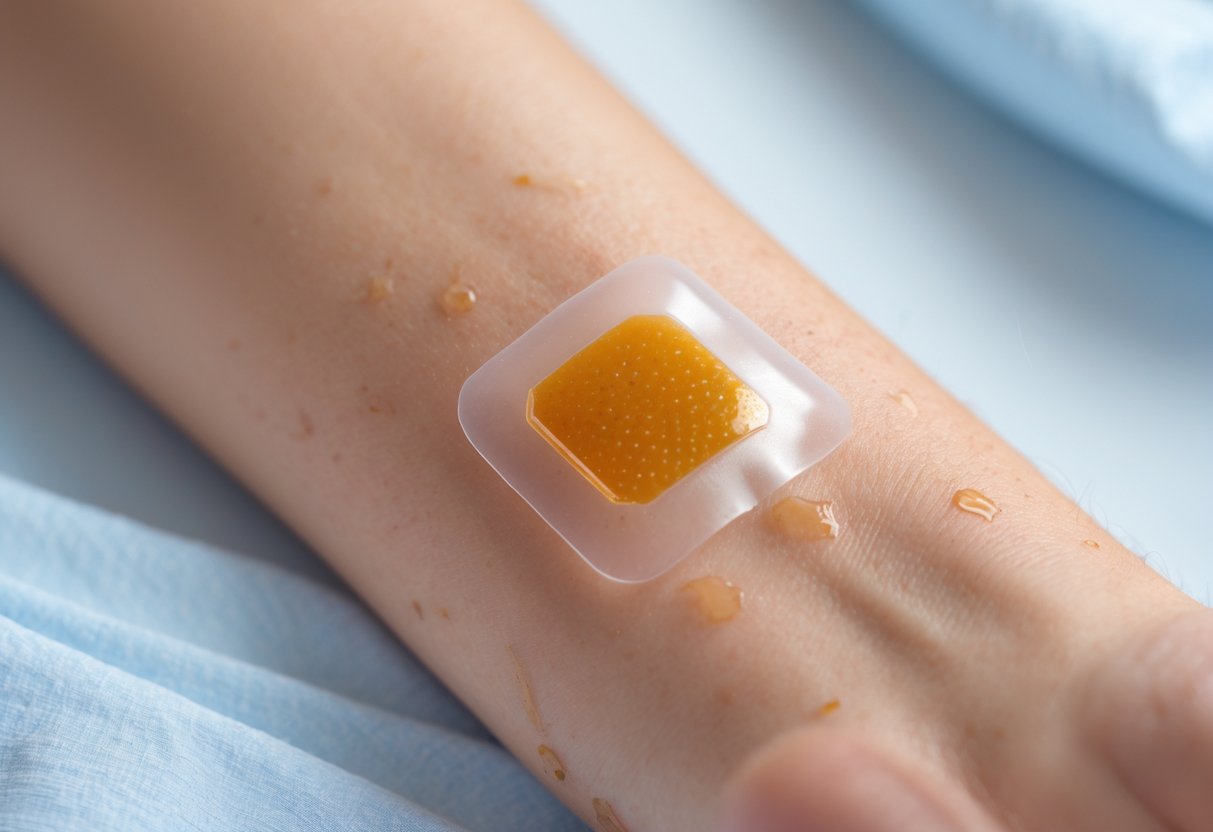
If you already know you’re allergic to bee stings or your skin tends to freak out, be extra careful. Chatting with your doctor before you try a bee venom patch can save you a lot of hassle. Knowing the risks upfront just makes the whole process safer.
Side Effects and Reactions of the Bee Venom Patch
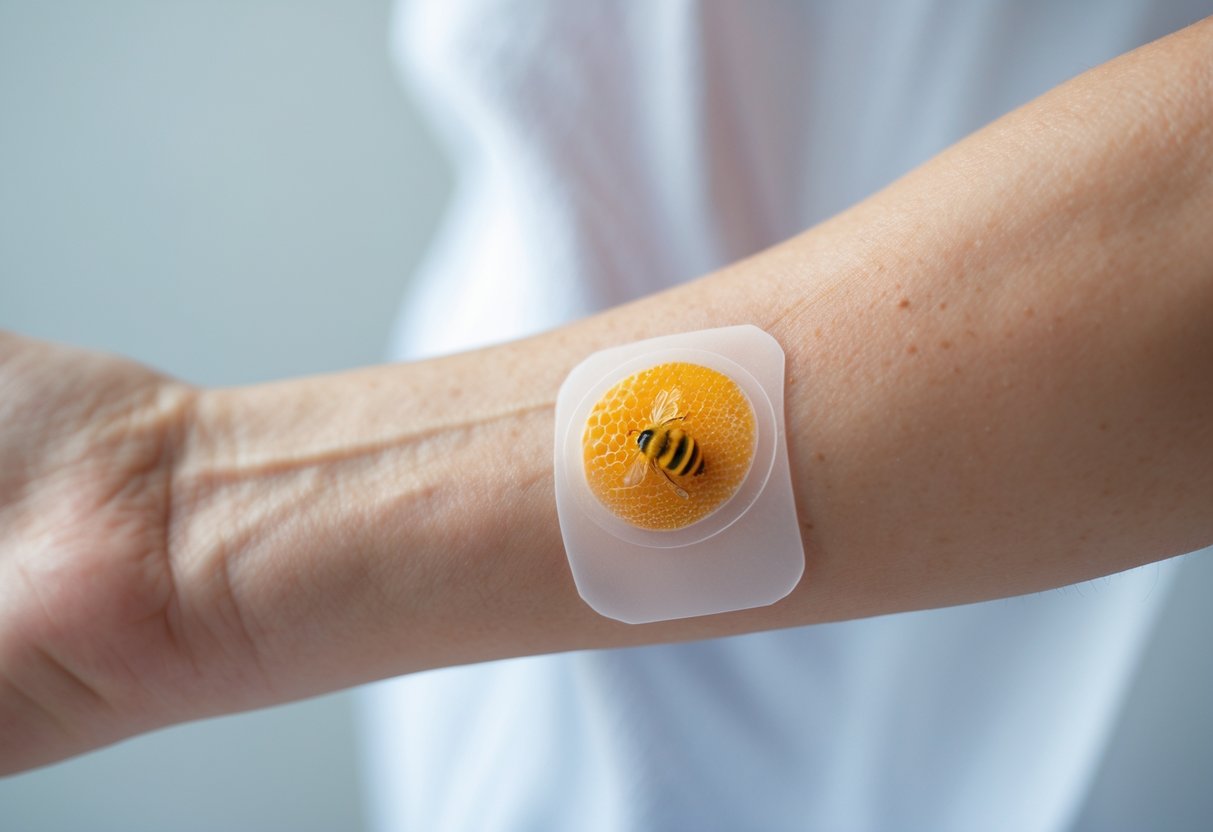
Bee venom patches can set off a range of skin reactions. Some are pretty mild and go away quickly, but if you have allergies or super sensitive skin, things can get a bit more intense.
Knowing what could happen helps you use the patch safely and spot any trouble early.
Common Side Effects
When you slap on a bee venom patch, you’ll probably see some redness, maybe a little swelling, or itching right where you put it. These are the usual suspects.
A few people feel a quick sting or warmth, but that tends to fade within a few hours.
Bee venom has stuff in it that irritates your skin, which is why you get these reactions. Usually, it’s minor and clears up on its own.
If things get uncomfortable, just take the patch off and that should help.
Frequency and Severity of Reactions
Most side effects pop up soon after you apply the patch and they’re usually mild.
Redness and itching stick around for a bit but don’t last long.
Serious stuff like big swelling or blisters doesn’t happen often. If you start feeling really uncomfortable or things get worse, take the patch off and get in touch with your doctor.
How often you get side effects depends a lot on your skin type. People with sensitive or dry skin might react more.
Risk of Allergies to Bee Venom
If you’re allergic to bee venom, things can get serious fast. Using a bee venom patch could set off swelling, a rash, or even trouble breathing.
It’s important to know if you’re allergic to bee stings or bee products before you try the patch. Got a history with allergies here? Skip the patch and talk to your doctor about something safer.
Testing a tiny spot first can help you avoid a dangerous reaction. If you see hives, major itching, or swelling that spreads, pull the patch off right away and get medical help.
Potential Adverse Reactions
Bee venom brings both anti-inflammatory and inflammatory compounds to the table. It might calm some skin issues, but it can also cause problems.
Some people mention stinging, warmth, or mild pain where they put the patch. Usually, these fade, but if your skin’s already irritated, they might last longer.
Rarely, bee venom can trigger a bigger immune response. Watch for spreading redness, swelling that won’t quit, or blisters. Those are signs you should see a doctor.
If you use the patch as directed and keep an eye on your skin, you’re less likely to run into trouble.
If you want a deeper dive, check out this overview on bee venom patch side effects.
Effectiveness, Benefits, and Risks of Bee Venom Patch Treatment
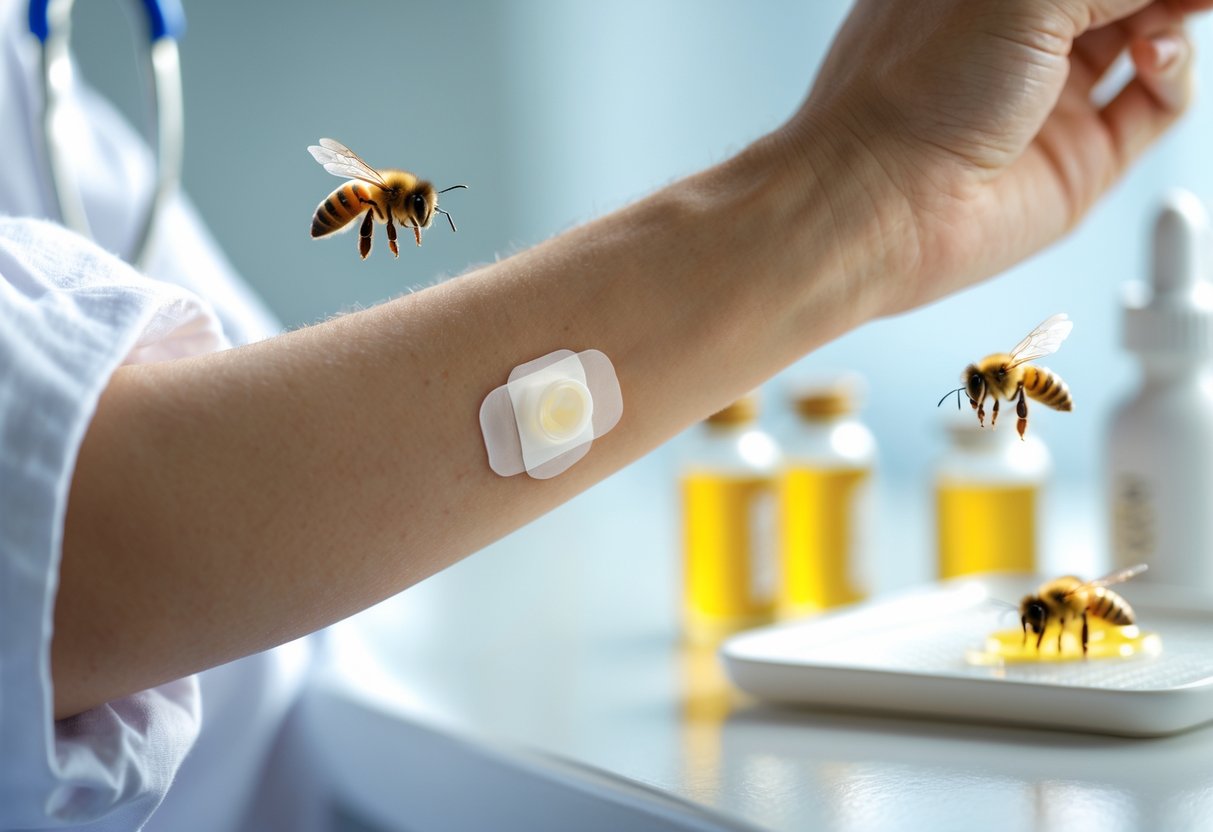
Bee venom patches deliver a little bit of venom through your skin, aiming at stuff like pain or certain skin issues.
Some people swear it helps with joint pain and skin problems, but you’ve got to weigh the possible perks against the risks before jumping in.
Effectiveness for Joint Pain and Inflammation
Melittin and apamin—two compounds in bee venom—bring anti-inflammatory effects. They might help with swelling and pain, especially if you’re dealing with osteoarthritis.
Some studies suggest putting the patch near sore joints can improve how you move and cut down on pain.
But honestly, results are mixed. Really diluted patches might not do much, and there’s still a lot we don’t know. Don’t expect instant magic, and it’s best to use bee venom patches as just one part of your overall plan.
If your joint pain is bad, check with a healthcare pro before you try this.
Benefits for Skin Health and Healing
Bee venom’s natural components can boost collagen, which could help with wrinkles and make your skin feel a bit more elastic.
People also use bee venom patches for acne or eczema, since it can calm inflammation and help skin heal.
When it comes to wounds, bee venom might speed up recovery and help scars fade by boosting blood flow and fighting bacteria.
But everyone’s skin reacts differently, so it’s smart to test a small spot first before using it all the time.
Risks and Safety Precautions
Bee venom therapy isn’t risk-free, so you’ll want to think it through before diving in. Some people get allergic reactions—swelling, redness, or, in rare cases, severe anaphylaxis. Try a patch test on a small spot first, just to be safe.
If you’re allergic to bee stings or you’ve got certain skin conditions, steer clear of bee venom patches. They might just make things worse. Make sure someone who actually knows what they’re doing supervises your treatment.
Applying patches on your own, without proper guidance, could lead to irritation or even an infection. Follow the instructions closely and keep an eye out for any weird side effects.
You can dig deeper into the side effects and risks of bee venom therapy over at WebMD or Healthline.


