
Spending time outside is great, but let’s be honest—getting stung by a bee can really mess up your day. If you want to avoid stings, stay calm, skip the bright clothes and strong perfumes, and give bees their space.
These habits make bees less likely to see you as a threat. You’ll lower your chances of a sting just by doing a few simple things.

When you understand how bees behave, you can keep yourself safer. Bees usually care more about flowers than people. If you pay attention to where you walk and avoid nests or hives, you’ll dodge most bee traffic.
Stick to light-colored, smooth clothes, and maybe lay off the loud noises. Those things make you less interesting to bees.
If a bee comes near you, knowing what to do matters. Move slowly, don’t swat, and you’ll probably be fine.
You can enjoy the outdoors more when you know these tips. Want more details? Check out practical ways to avoid bee stings that actually work.
Practical Strategies to Prevent Bee Stings
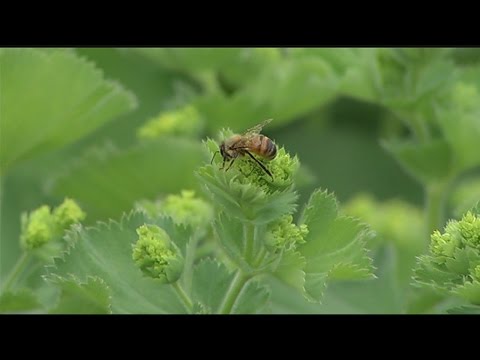
You can cut down on bee stings if you know where bees hang out, wear the right clothes, stay chill, and avoid stuff that attracts them. These steps make outdoor time less stressful.
Recognizing Areas Where Bees Are Commonly Found
Bees and wasps seem to love flowers, gardens, and spots with open food or trash. Watch out for flower beds, fruit trees, and grassy fields.
They also build nests in trees or holes in the ground. If you see a lot of bees flying around, especially near a nest, just steer clear.
Wasps usually put their papery nests under eaves or in bushes. Keep your distance from those areas.
Be careful near water sources like ponds and birdbaths. Bees need water, so they gather there often.
If you notice a spot buzzing with insects, it’s probably smart to move away calmly.
Dressing to Minimize the Risk of Getting Stung
The clothes you wear can make a big difference. Pick light colors—white, beige, pale yellow—since bees and wasps seem to like bright or dark colors more.
Skip floral prints or patterns. Bees might think you’re a flower.
Long sleeves and pants help cover your skin. Tighter clothes work better, since loose fabric might trap a bee.
Don’t use strong perfumes, scented lotions, or hairspray. Those smells attract bees.
If you’re gardening or near nests, gloves and a hat can help protect your hands and head.
Staying Calm Around Bees and Wasps
Bees and wasps usually sting to defend themselves. If you keep calm and move slowly, you’re less likely to upset them.
Don’t swat or run if one comes close. If a bee lands on you, gently brush it away or just wait for it to leave.
Quick, jerky moves make you look like a threat. If you hear buzzing, stand still for a second.
Walk away slowly without waving your arms. Staying cool makes bees less likely to sting.
Avoiding Behaviors That Attract Stinging Insects
Some things you do can pull bees and wasps right to you. Eating or drinking sweet stuff outside is a big one.
Keep sugary drinks covered and clean up crumbs fast. Don’t wear bright colors, strong scents, or shiny jewelry—bees might mistake them for flowers or food.
Talking loudly or breathing heavily can catch their attention too. Try to keep it mellow.
Seal your garbage bins and keep them clean. Wasps especially love trash, so removing waste helps keep them away.
Safety Measures for Sensitive Individuals

If you’re sensitive to bee or wasp stings, you need to know how your body might react. Being prepared can make a big difference.
Pay attention to your symptoms and carry the right medicine. That way, you’re ready if something happens.
Understanding Allergic Reactions to Insect Venom
Some people react more than others to bee or wasp venom. It’s not just pain and swelling—your immune system might go into overdrive.
Allergic reactions can mean mild itching or redness, but sometimes it’s severe swelling. If you’re allergic, even one sting can be a problem.
You should avoid areas with lots of bees or wasps. Wear protective clothes when you’re outside.
Knowing if you’re allergic is the first step to staying safe.
Recognizing the Signs of Anaphylaxis
Anaphylaxis is a serious, life-threatening reaction to bee or wasp stings. It can mess with your breathing, swell up your throat, or throw off your heartbeat.
You need medical help right away if this happens.
Here are some common signs:
- Trouble breathing or wheezing
- Swelling of your face, lips, or throat
- Fast heartbeat
- Dizziness, fainting, or a sudden drop in blood pressure
If you or someone else shows these signs after a sting, call emergency services immediately.
Carrying and Using an Epinephrine Autoinjector
If you know you’ve got a serious allergy, you really need to carry an epinephrine autoinjector (EpiPen). This little device can stop a reaction fast when you inject it into your thigh.
Keep your epinephrine autoinjector with you, especially if you’re spending time outdoors where bees or wasps could show up. Don’t forget to check the expiration date every so often.
Here’s how you use the autoinjector:
- Take it out of the case.
- Put the tip against your outer thigh.
- Press down until you hear that click.
- Hold it there for three seconds, then pull it away.
After you use it, go get medical help right away—even if you start to feel better. The medication buys you time, but it’s not the whole solution.


