
Ever wondered if a bee can make it on its own? Turns out, some bees—like solitary bees—naturally go solo and do just fine. They don’t need a hive or a queen to get through their days.

But not every bee’s cut out for that kind of life. Honeybees, for example, really need their hive and queen to stick around more than a few days.
When you look at how different bees live, you start to notice just how varied their world is. There’s a lot more going on than meets the eye.
Can Bees Survive Alone?

Different bees have their own ways of living. Some handle life alone, while others really need their hive and the group.
You’ll notice survival odds change a lot between honeybees, worker bees, drones, and queens. It’s not a one-size-fits-all thing.
How Honeybees Fare Without a Hive
Honeybees rely on their hive for just about everything. If they lose it, they’re suddenly out a home, food, and protection.
Without the hive, honeybees can’t keep warm or feed each other, so they don’t make it long. Their lives get cut short pretty quickly.
Worker bees that end up outside their hive have to find food and shelter all alone. Usually, they don’t last long this way.
Even though a worker bee might live four to six weeks, being on their own shortens that a lot. No group care, no steady food—it’s tough.
Survival Strategies of Lost Worker Bees
Some worker bees do their best to get by after losing their hive. They’ll search for nectar and pollen, flying from flower to flower.
Sometimes, a lost worker bee tries to sneak into another colony or hide out in a hollow tree or wall. It’s not easy, though.
Predators, weather, and the scramble for resources make it a rough ride. If they don’t find a new group or safe spot quickly, their odds drop fast.
Challenges Faced by Male Drones and Queen Bees
Male drones have it rough alone. They count on worker bees for food and care.
If the hive kicks them out before winter or they get lost, they usually die pretty fast. Drones don’t gather food or defend themselves.
A queen bee can’t make it solo either. She depends on workers to feed her and raise young.
She doesn’t collect food or build nests. Even though a queen might live two to seven years in a hive, alone she only lasts a few days.
If you’re curious about how bees get by without hives, check out info on solitary bees and their habits.
There’s more detail on how honeybees handle life without a queen or hive at irescuebees.com and bootstrapbee.com.
The Solitary Bee Lifestyle
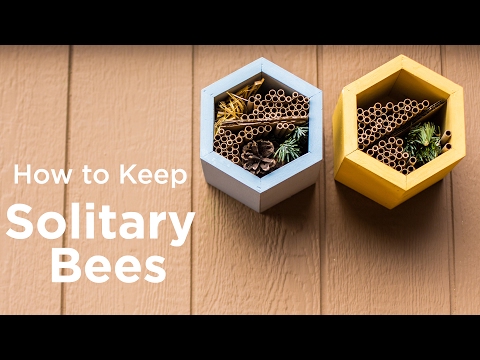
Solitary bees live pretty simply, but they stay busy. They don’t make honey or live in hives.
Instead, they focus on building nests and gathering food. These bees help plants grow by moving pollen around.
There’s a lot of variety in how different solitary bee species live and survive.
What Sets Solitary Bees Apart
Solitary bees don’t do the hive thing. No queen, no worker team.
Each female bee builds her own nest, usually in holes in wood, soil, or inside hollow stems. She gathers pollen and nectar to feed her larvae.
Male solitary bees mostly just stick around long enough to mate. After that, you’ll sometimes spot them resting in flowers overnight.
Since there’s no hive, you won’t find big groups of solitary bees together. As adults, they often live just a few weeks.
Role of Solitary Bees in Pollination
Solitary bees are super important pollinators. When they collect pollen and nectar for food, they end up moving pollen between flowers.
That’s what helps plants make fruit and seeds. Because they’re active in different places and at different times than honeybees, solitary bees pollinate plants that others might skip.
That makes them valuable for gardens and farms. Plenty of crops depend on these little guys to get pollinated.
Diversity and Adaptations of Solitary Species
You’ll find about 20,000 species of solitary bees buzzing around the globe. They come in all sorts of sizes, shapes, and colors—honestly, it’s kind of amazing.
People often spot mason bees, leafcutter bees, and mining bees out in gardens or parks. Each of these has its own way of building and guarding a nest.
Some bees grab mud, leaves, or even resin to seal up their burrows. They skip the hive life, so they’ve got to figure out survival on their own.
That independence actually helps a lot of solitary bees thrive in places where social bees just can’t make it.
Curious for more? Check out the Life of a Solitary Bee.


