
Bees can seem a bit intimidating when they buzz near you, but honestly, they don’t sting just for fun. Mostly, they sting to protect themselves or their hive from what they see as danger.
If a bee feels threatened, it’ll use its sting to defend its home and warn the others. That’s really their main reason for stinging.

Learning why bees sting might help you stay out of trouble around them. You’ll see what makes bees feel threatened and how to act so you don’t get stung.
Honestly, knowing this helps you respect these creatures without freaking out every time they come close.
Curious about what triggers bee stings and how to avoid them? Keep reading if you want to handle bee encounters calmly and safely.
Why Do Bees Sting?
Bees sting mostly to defend themselves or their hive from threats. The sting acts as a defense tool and keeps the colony safe.
Some bees can sting more than once, but others lose their sting and die after. Different bees use stinging in their own ways, and they send warnings to others nearby.
Self-Defense and Protection of the Hive
Bees don’t sting unless they feel threatened. Honey bees and many others use their sting to protect themselves or their hive.
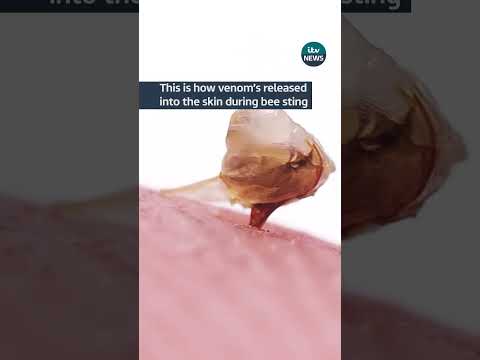
When a honey bee stings, its barbed stinger gets stuck in your skin. The bee dies after this, but the venom it leaves behind hurts the attacker.
If you get too close to a hive or make sudden moves, you’re more likely to get stung. Bees guard their hive to protect the queen, workers, and the young inside.
Bumblebees and solitary bees like carpenter bees have smoother stingers. They can sting more than once and don’t die from it.
Warning Signals and Alarm Pheromones
When a bee stings, it releases alarm pheromones. These chemicals act as invisible signals to other bees.
They alert the colony that danger is near. This can make more bees get defensive and ready to sting.
These pheromones matter a lot for bee safety. If you notice a sweet or odd smell after being near bees, that’s probably the alarm pheromones.
It’s smart to move away calmly and slowly so you don’t upset more bees.
Role of Different Bee Types in Stinging
Not all bees sting for the same reasons or in the same way. Honey bees are the most common stingers when it comes to defending the hive.
Worker bees usually do the stinging to protect everyone. Queen honey bees rarely sting, but if they do, their stinger is smooth so they could sting more than once.
Bumblebees and many solitary bees, like carpenter bees, have smooth stingers too. They can sting repeatedly without dying.
These bees usually only sting if you really provoke them. Stinging isn’t fun for the bee or for you.
Here’s a quick look at how different bees sting:
| Bee Type | Stings More Than Once? | Stings to Protect Hive? | Stinger Type |
|---|---|---|---|
| Honey Bees | No | Yes | Barbed, fatal after |
| Bumblebees | Yes | Sometimes | Smooth, multiple use |
| Carpenter Bees | Yes | Rarely | Smooth, multiple use |
| Solitary Bees | Yes | Sometimes | Smooth, multiple use |
When you understand these differences, it’s easier to respect bees and avoid bothering them.
The Science of Bee Stings
Bee stings happen because bees have a special tool for defense. How they sting, which bees can sting, and what happens next all depend on their bodies and the type of stinger they have.
Knowing how to avoid stings and what to do if you get stung can really help.
Stinging Mechanism and Anatomy
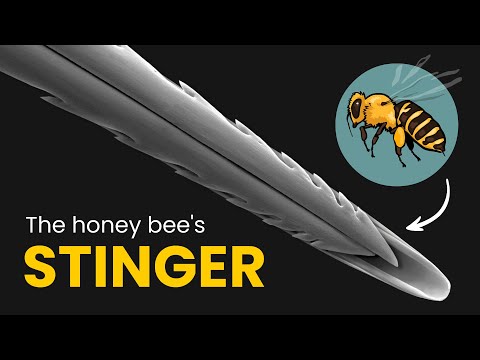
Bees use a modified ovipositor, which is basically a sharp organ, to sting. When a bee stings, its muscles push the stinger into your skin.
Some stingers have tiny barbs, others are smooth. The stinger injects venom through a small pump.
Venom contains chemicals like melittin that cause pain and swelling. This venom scares away threats and protects the bee.
The stinger connects to venom glands, so when it goes in, venom keeps flowing until you remove the stinger.
Differences Between Barbed and Smooth Stingers
Honey bees have barbed stingers. The barbs make the stinger get stuck in your skin.
If the bee pulls away, the stinger stays behind and keeps injecting venom for several minutes. Sadly, the bee dies because part of its body gets torn away.
Bumblebees and some others have smooth stingers. They can sting over and over because their stingers don’t get stuck.
So if they feel threatened, they could sting again later.
| Stinger Type | Can Sting Multiple Times | Stinger Left in Skin | Typical User |
|---|---|---|---|
| Barbed Stinger | No | Yes | Honey bees |
| Smooth Stinger | Yes | No | Bumblebees, wasps |
Who Can Sting: Female vs. Male Bees
Only female bees can sting. Their stinger is a modified ovipositor, which males simply don’t have.
Male bees, or drones, can’t sting and don’t defend the hive that way.
Female worker bees usually do the stinging to protect the hive. Queen bees have stingers too, but they almost never use them except against other queens.
Stinging is mostly a defense move for bees.
Physical and Allergic Reactions to Stings
After a sting, you’ll probably feel sharp pain right away. The area might swell, turn red, itch, or burn.
These reactions are normal, caused by the venom—especially melittin, which damages cells and causes inflammation.
Some people have allergic reactions, from mild rashes to serious stuff like anaphylaxis, which is life-threatening.
Signs of anaphylactic shock include trouble breathing, throat swelling, and dizziness.
If you notice severe symptoms after a sting, get medical help right away. For normal stings, a cold compress and antihistamine cream can help with pain and swelling.
How to Avoid Bee Stings and First Aid Tips
If you want to avoid bee stings, try to stay calm when you see bees. People who panic or flail around usually end up making things worse.
Don’t swat at bees or mess with their hive, especially if you’re out beekeeping or just enjoying the outdoors. Bees really don’t appreciate it.
Wear light-colored clothes, since dark colors can attract them. You might want to skip strong perfumes or scented lotions too—bees seem to notice those.
If a bee stings you, act fast. Remove the stinger as soon as you can to stop more venom from getting in.
Use your fingernail or the edge of a credit card and scrape it out—don’t pinch, since that can squeeze more venom in. After that, clean the spot well.
Grab a cold compress and put it on the sting to help with swelling. If you’re feeling uncomfortable, take some ibuprofen or an antihistamine.
Want to know more about why bees sting in the first place? Check out this detailed guide on why bees sting.


