
Bees buzz around with a mix of curiosity and maybe a bit of caution from most people. Ever wonder if spotting them near your house or garden actually means something?
Honestly, most folks see bees as a sign of good luck—think hard work, prosperity, and harmony. Lots of cultures connect bees to those ideas.
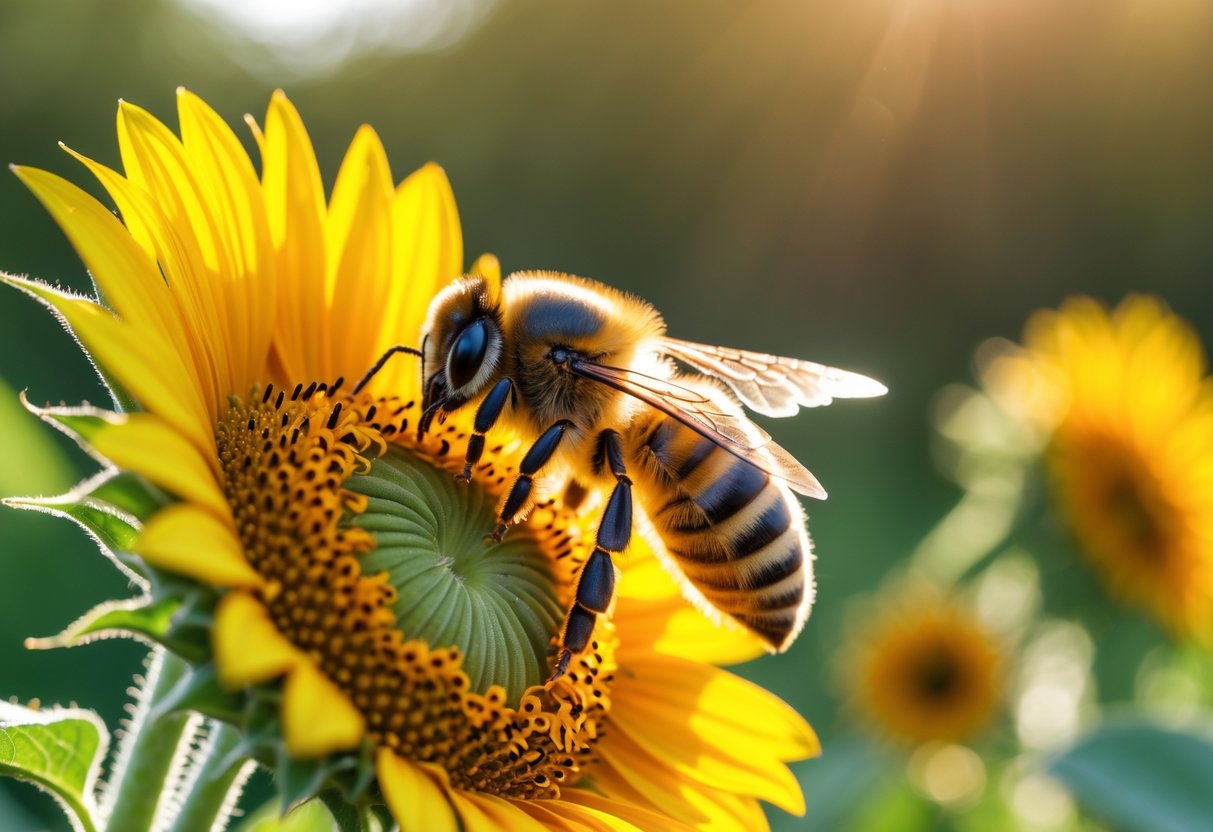
You’ve probably heard old stories about bees bringing bad luck, but those tales don’t pop up as much these days. Usually, when a bee shows up at your place, people see it as a positive sign—something tied to success and abundance.
Learning about these beliefs might help you see bees as more than just little buzzing creatures. There’s a whole world of symbolism behind them.
If you’re curious about why bees have such a strong place in folklore, or what it might mean if one lands near you, stick around. There’s a fascinating mix of myths and facts about bees and luck.
Are Bees Good Or Bad Luck? Key Beliefs and Superstitions

People see bees differently depending on where you look. Some folks believe bees bring wealth and good fortune.
Others warn that bees can cause trouble if you upset them. The way you treat bees and their environment often shapes what kind of luck you’ll get.
Good Luck Symbolism and Prosperity Associations
Bees have a reputation for symbolizing hard work and success. Many cultures believe bees bring prosperity and good luck into your life.
Spotting a bee near your home or garden? That’s usually seen as a sign that blessings and positive energy are on the way.
Bees also connect to wealth. People sometimes use tiny bee charms or images to attract money and growth.
Their link to honey makes them a symbol of sweetness and abundance. It all ties back to the idea of plenty.
Bees remind us about teamwork and balance in nature. They help things grow and thrive, and maybe we could use more of that energy in our own lives.
Bad Luck Omens and Unlucky Actions
While bees mostly bring good vibes, some actions tied to bees are believed to bring bad luck. For instance, if you kill a bee, many think you’ll upset spirits or invite problems.
It’s seen as disrespectful and might bring misfortune. Getting stung by a bee? Some say that’s a warning or a sign of trouble ahead.
Disturbing a bee could cause unexpected problems at home or work. If a bee enters your house, people say it’s only lucky if you let it leave on its own.
Killing a bee inside is often linked to bad luck. It’s a simple superstition, but it sticks with a lot of people.
Superstitions Around Bee Swarms and Bee Hives
Bee swarms and hives have their own special meanings. When a swarm moves to a new spot, some see it as a sign of a fresh start or new opportunities.
Disturbing a hive without care is thought to bring conflict or bad energy. In lots of traditions, people treat bee hives with respect to keep the peace and invite good fortune.
If you spot a hive on your property, it might suggest growth and harmony—just as long as you don’t harm it. Swarming bees? People usually see that as a sign of natural change.
How you act around them can shape whether their presence brings luck or not.
If you want to dive deeper, check out Bee Superstitions and Folklore.
Bees in Mythology and Cultural Symbolism

Bees pop up in stories and beliefs all over history. They represent hard work, wisdom, and sometimes a connection to the divine.
You’ll spot bees not just in old legends but also in charms and myths that try to explain the big ideas in life.
Ancient Legends and Deities Linked to Bees
Back in the day, people saw bees as magical creatures linked to gods and goddesses. The Greek goddess Artemis, for example, was sometimes connected to bees because of their role in nature and fertility.
Egyptians honored bees as symbols of royalty and creation. Bees often stood for the soul or spirit in many cultures.
You’ll find bees in stories where they act as messengers between humans and the gods. Their honey-making abilities made them sacred—symbols of wisdom and the sweetness of life.
Bee Charms, Honey Bee Charms, and Their Meanings
Bee charms are small symbols or jewelry pieces that people use for good luck or protection. Wearing a bee charm can remind you to work hard and stay connected with your community.
Honey bee charms focus on the bee’s role in making honey, which stands for abundance and sweetness. These charms often symbolize resilience and patience, nudging you to keep going even when things get tough.
People have used these charms for centuries to attract prosperity, boost focus, and ward off bad luck. Some say bee charms also stand for personal growth and harmony.
Famous Myths: Mead of Poetry and Sacred Beehives
Let’s talk about the Mead of Poetry from Norse mythology. In these old stories, someone brewed a magical drink using honey, and whoever drank it suddenly had wisdom and poetic skill.
Bees and honey always seemed to show up whenever people talked about creative power. Honestly, it’s kind of wild how much credit bees get for inspiration.
Sacred beehives pop up in a bunch of legends, too. Sometimes, bees guard treasures or even sacred knowledge.
People saw bees as protectors, holding onto secrets and keeping things in order. The hive itself? That’s often a symbol for society working together, everyone doing their part.
If you want to dig deeper into the world of bees in myths and folklore, check out Beekeeper Corner’s Bees in Mythology and Folklore.


