
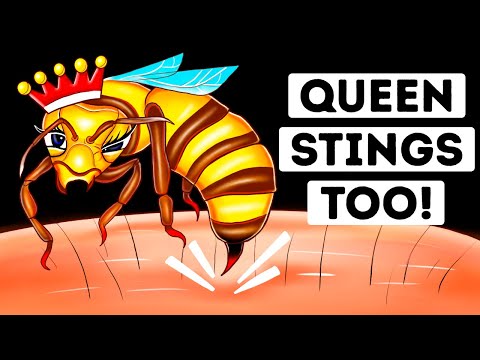
If a queen bee stings you, you’ll probably feel pain, redness, and swelling—pretty much like what happens with a worker bee sting. Still, queen bee stings almost never happen; queens usually only sting when they feel threatened by other queens, not by people. Their venom packs a punch and can hurt more than a worker’s, but honestly, the odds of it happening are tiny.

You’re unlikely to meet a queen bee outside the hive, so getting stung by one is super rare. If you ever do, though, keep an eye out for allergic reactions—stuff like dizziness or trouble breathing—and don’t hesitate to get medical help if you need it.
Most folks just get local pain and swelling from a queen bee sting. It’s not something you’ll probably deal with, but knowing what to expect can help you stay calm if you ever find yourself in that situation.
What Happens If a Queen Bee Stings You?

Queen bees almost always sting other queens, not people, so getting stung by one is pretty rare. If you do get stung, you might notice it hurts more and the reaction feels stronger than a regular bee sting.
Knowing what the sting feels like and how the venom works helps you know what’s coming, just in case.
Pain and Immediate Sensations
If a queen bee stings you, the pain can feel sharper and more intense than what you’d get from a worker bee. That’s because queens inject more venom.
The pain comes on fast and might stick around for a few hours or even a day.
You might spot swelling, redness, or some itching near the sting. That’s your body reacting—releasing histamine to fight the venom.
If you’ve ever had a bee sting allergy, look out for big symptoms like trouble breathing or dizziness. Those are signs to get emergency help, no hesitation.
Queen Bee Sting vs. Worker Bee Sting
Queen bee stings aren’t exactly like worker bee stings. Queens have smoother stingers, so their stinger usually doesn’t get stuck in your skin.
That means you don’t have to dig out a stinger like you would with a worker bee.
Worker bees mostly sting to protect the hive, and their barbed stingers get stuck, which kills them. Queen bees? They use their stingers to fight off other queens, not humans.
Since queens rarely leave the hive, they almost never sting people.
Venom and Biological Response
Queen bee venom contains chemicals that cause pain and swelling. Your immune system jumps in and releases histamine, which makes the area red and itchy.
How your body reacts depends on how sensitive you are to bee venom. Most people just get mild symptoms.
But if you’re allergic, you could have a stronger reaction. If you notice hives, trouble breathing, or swelling away from the sting, get medical help right away.
For more details about the rare sting of a queen bee, you can visit this page about what happens when a queen bee stings you.
Risks, Reactions, and Comparisons With Other Bees
If a queen bee stings you, you should know how your body might react. Some people just get mild symptoms, but others might need urgent care.
It’s also good to know how queen bee stings compare to stings from bumble bees, carpenter bees, or wasps.
Allergic Response and Anaphylaxis
If you’re allergic to bee venom, a queen bee sting can cause a serious reaction called anaphylaxis. That’s when your body reacts fast and things can get dangerous—breathing gets hard, swelling happens, and your blood pressure can drop.
You need emergency treatment right away if that happens.
Most people just get pain, redness, and swelling where they got stung. But if you start feeling dizzy, nauseous, or have trouble breathing, get medical help immediately.
Differences Among Bee and Wasp Stings
Queen bees have smooth stingers, so they can sting more than once and don’t die afterward. That’s different from honeybee workers, who lose their barbed stingers and die after stinging.
Wasps and hornets also have smooth stingers and can sting multiple times. Their venom usually stings more and causes stronger reactions than bee venom.
Carpenter bees and bumble bees can sting more than once too, but their stings usually aren’t as severe as those from wasps.
Likelihood of Being Stung by a Queen Bee
Queen bees almost always hang out inside the hive, so honestly, it’s pretty rare for anyone to get stung by one. They only leave when they’re swarming or, sometimes, to battle with other queens.
If a queen bee does sting you, it probably happens during a hive inspection or if she feels cornered. Queen bees don’t really sting to defend the hive—that’s more of a worker bee thing. Instead, they use their sting mostly when fighting other queens.
If you handle bees gently, you’ll lower your chances of getting stung by a queen, or really any bee, whether it’s a bumble bee or a carpenter bee.


