
When a bee lands on you, it’s honestly pretty unnerving, but staying calm really is your best move.
Don’t swat or start flailing—just stay still or gently brush it off. Bees aren’t out to sting you; most of the time, they’re just curious or maybe after a bit of salt from your skin.

If you know how to react, you can dodge a sting and even appreciate these little pollinators.
This approach keeps both you and the bee safe, and you might even find the moment a bit peaceful.
Immediate Actions to Take When a Bee Lands on You

When a bee lands on you, the way you act can really help you avoid a sting.
Staying calm and moving slowly makes a huge difference.
You want to avoid upsetting the bee, so gentle, careful steps work best.
Stay Calm and Still
First things first, try to stay calm.
Bees are way more likely to sting if they feel threatened.
Take a deep breath and try to relax.
Don’t panic or swat at the bee.
If you stand still, the bee usually gets the message that you’re not a threat.
Most of the time, it’ll just fly off after a bit.
The bee might just be curious or thirsty.
Your calmness really lowers the chance of a sting.
Avoid Sudden Movements
Quick, jerky moves can freak the bee out.
That definitely raises your chances of getting stung.
Try not to wave your arms or run off.
If you have to move, do it slowly.
Slow movements show the bee you’re not a threat.
This matters because bees only defend themselves if they have to.
Keep your hands low and close to your body while you stay calm.
That way, the bee won’t feel trapped or scared.
Gently Encourage the Bee to Leave
If the bee sticks around, you can help it leave, but do it gently.
Use a soft brush or maybe a piece of paper to guide it off your skin.
Be careful not to grab or squeeze the bee.
Pressing too hard could make it sting.
Just give it a light nudge—hopefully, that’s enough for it to fly away.
If you’re not comfortable, waiting it out is totally fine.
Most bees don’t hang around long once they realize you’re not food or a flower.
Seek Help If You Have Allergies
If you’re allergic to bee stings, things get more serious.
Make sure you carry your epinephrine auto-injector whenever you’re outside.
If a bee lands on you, calmly move it away and keep an eye out for any signs of a sting or a reaction.
Watch for trouble breathing, swelling, or dizziness.
If you notice any of these, call for emergency help right away.
Getting treatment quickly can prevent bigger problems.
Having a plan before you go outside really helps you stay safe around bees.
Understanding Types of Bees and Their Behavior
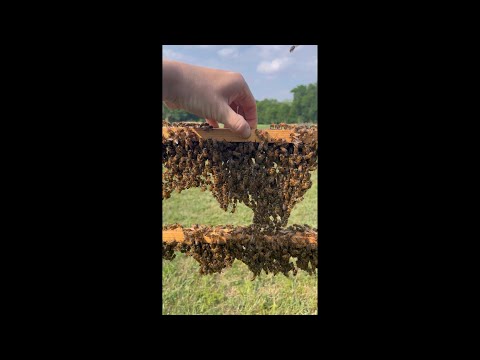
Knowing which kind of bee landed on you can help you stay calm and handle things better.
Different bees look and act in their own way, so recognizing them helps you figure out what they want and how likely they are to sting.
Recognizing Honey Bees, Bumble Bees, and Sweat Bees
Honey bees are small, golden brown, and have thin, striped bodies.
They look a little fuzzy, especially on their thorax, and fly with real purpose when they’re out for nectar.
Bumble bees are bigger, rounder, and extra fuzzy, with black and yellow stripes.
They sort of look like flying bumbleballs and move slower than honey bees.
Sweat bees are tiny and usually metallic green or blue, but sometimes they look duller.
They’re less hairy and often hang around sweat on your skin.
You’ll spot honey and bumble bees at flowers, while sweat bees seem to stick close to people.
| Bee Type | Size | Color | Behavior |
|---|---|---|---|
| Honey Bee | Small | Golden brown | Quick, focused nectar foraging |
| Bumble Bee | Large, round | Black and yellow | Slow, clumsy flight |
| Sweat Bee | Tiny | Metallic green/blue | Attracted to human sweat |
How Different Bees React When They Land on You
Honey bees usually land because they’re curious about scents like sugar or perfume.
They don’t sting unless you try to hit them or trap them.
Bumble bees act pretty gentle but will sting if they feel threatened.
Their bigger size can look intimidating, but they usually just land for a moment.
Sweat bees show up for the salt in your sweat; they almost never sting.
They tend to stay just for a short bit and then fly off.
If you stay calm and still, you really lower the chances of any bee acting aggressive.
Why Sweat Bees Are Attracted to People
Sweat bees search for salt and moisture, and honestly, your sweaty skin is a prime spot. They need that salt for their diet—and apparently, it even helps them reproduce.
You might spot them landing on your arms or legs, especially on hot days or when you’re working out. They don’t actually want to sting you, but if you swat at them or freak out, well, they might.
If you just stay calm and gentle, you’ll probably avoid any drama with sweat bees. Compared to honey bees, these little guys act way less defensive and are usually pretty chill.
For more details about which species can sting and why, check out the guide on types of bees that sting and their behavior.


