
If you’ve ever been stung by a bee, you know how much it hurts and how annoying the swelling can get.
The quickest way to deal with a bee sting is to pull out the stinger right away, slap on some ice to fight pain and swelling, and use over-the-counter remedies to calm the area.
Acting fast really helps ease the pain and gets you back to normal sooner.
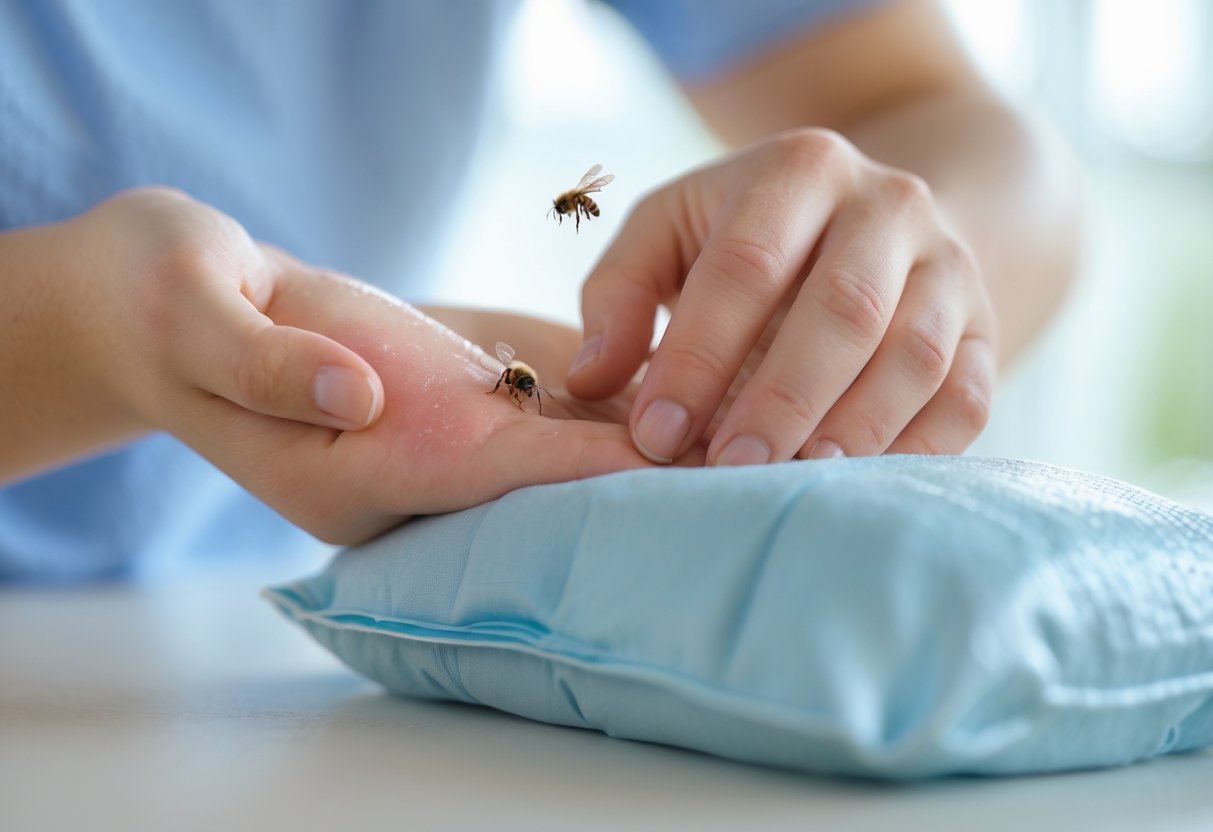
Knowing what to do right after a sting can honestly save you a lot of hassle.
You might want to try some easy home tricks to soothe your skin, too.
But if you start having trouble breathing or your face or mouth swells up, you should get medical help right away.
This guide shows you simple steps to treat a bee sting at home.
With a little care, you can knock out the pain fast and get back to your day.
Let’s go through some tips that anyone can handle after a bee sting.
Fastest Steps to Treat a Bee Sting
If a bee stings you, acting quickly really matters.
Pulling out the stinger, cleaning the spot, cooling it down, and grabbing the right medicine can make the pain and swelling fade faster.
Remove the Stinger Safely
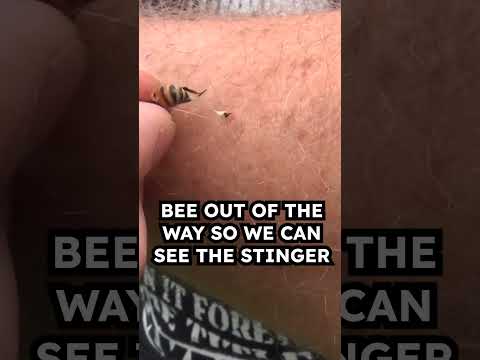
Start by getting the stinger out as soon as you spot it.
The longer it stays, the more venom seeps in, making things worse.
Use something flat like a credit card or maybe your fingernail to gently scrape it out.
Don’t grab tweezers or pinch it, since squeezing can push more venom in.
Do this gently but as quickly as you can to keep the venom to a minimum.
Clean the Sting Area
After you get the stinger out, wash the spot with soap and warm water.
This washes away dirt and leftover venom.
Cleaning the area helps stop infection, which is honestly something you don’t want to deal with.
Pat it dry with a clean towel—no need to rub.
If you see redness spreading or the pain gets worse, keep an eye on it for infection.
Apply an Ice Pack
Now, grab a cold compress or an ice pack wrapped in a cloth and press it on the sting.
This helps bring down swelling and numbs the pain a bit.
Hold the ice there for about 10 to 15 minutes.
If you need to, you can repeat this every hour.
Don’t put ice right on your skin—just use a cloth or towel between the ice and your skin.
Use Over-the-Counter Remedies
To help with swelling and itching, try hydrocortisone cream or calamine lotion.
They’re easy to find and usually work well.
Pain relievers like ibuprofen or acetaminophen can help with pain and swelling, too.
Some people like using aloe vera gel to soothe the skin, and honestly, it feels pretty good.
Always read the label on any medicine or cream before you use it.
For more tips, you can check out the fastest way to cure a bee sting guide.
Recognizing Allergic Reactions and When to Seek Help

After a bee sting, it’s smart to pay attention to how your body reacts.
Some symptoms are mild and easy to handle at home, but others can get serious fast.
Watch for things like skin changes, trouble breathing, or swelling—those mean you need to act quickly.
Common Symptoms of a Bee Sting Reaction
Most of the time, a bee sting just brings pain, redness, and swelling right where you got stung.
You might see a little red bump or a raised patch, and it could feel warm or itchy.
Mild reactions can include:
- Hives or itchy bumps not just at the sting
- Some swelling that lasts a day or two
- A bit of soreness or tenderness
These usually get better with simple care like washing and icing the area.
If you notice symptoms popping up far from the sting or spreading fast, pay close attention.
Identifying Severe Allergic Reactions
A severe allergic reaction—anaphylaxis—needs emergency help.
Look out for:
- Breathing trouble or shortness of breath
- Swelling in your face, lips, throat, or tongue
- Wheezing or chest tightness
- Sudden dizziness or passing out
- Fast heartbeat or feeling weak
- Hives all over your body
If you spot any of these, don’t wait.
These symptoms can get bad really quickly.
How to Use an Epinephrine Auto-Injector
If you already know you’re allergic, you should keep an epinephrine auto-injector like an EpiPen nearby.
It can stop a severe reaction fast.
Here’s what to do:
- Take off the safety cap.
- Push the injector firmly into your outer thigh.
- Hold it there for about 3 seconds.
- Pull it out and rub the spot for 10 seconds.
Once you’ve used it, call 911 right away.
You might still need more help, even if you start feeling better.
Emergency Response for Anaphylaxis
If you spot someone showing signs of anaphylaxis, don’t wait—call emergency services right away.
If you’re waiting for help to arrive, grab an epinephrine auto-injector if you can find one.
Help the person lie down and lift their legs a bit.
Loosen any tight clothing and toss a blanket over them if you have one.
If they’re struggling to breathe, let them sit up if that feels better.
Skip food or drinks for now.
Acting fast really can make all the difference in a severe allergic reaction.
Want more info? Check out details on recognizing and treating bee sting allergic reactions.


