
If you love watching bees but hate the idea of getting stung, knowing which ones are less likely to sting is a game-changer. Stingless bees, male bees, and solitary bees almost never sting unless they’re seriously threatened. These bees mostly focus on gathering pollen and don’t care much about defending a hive.
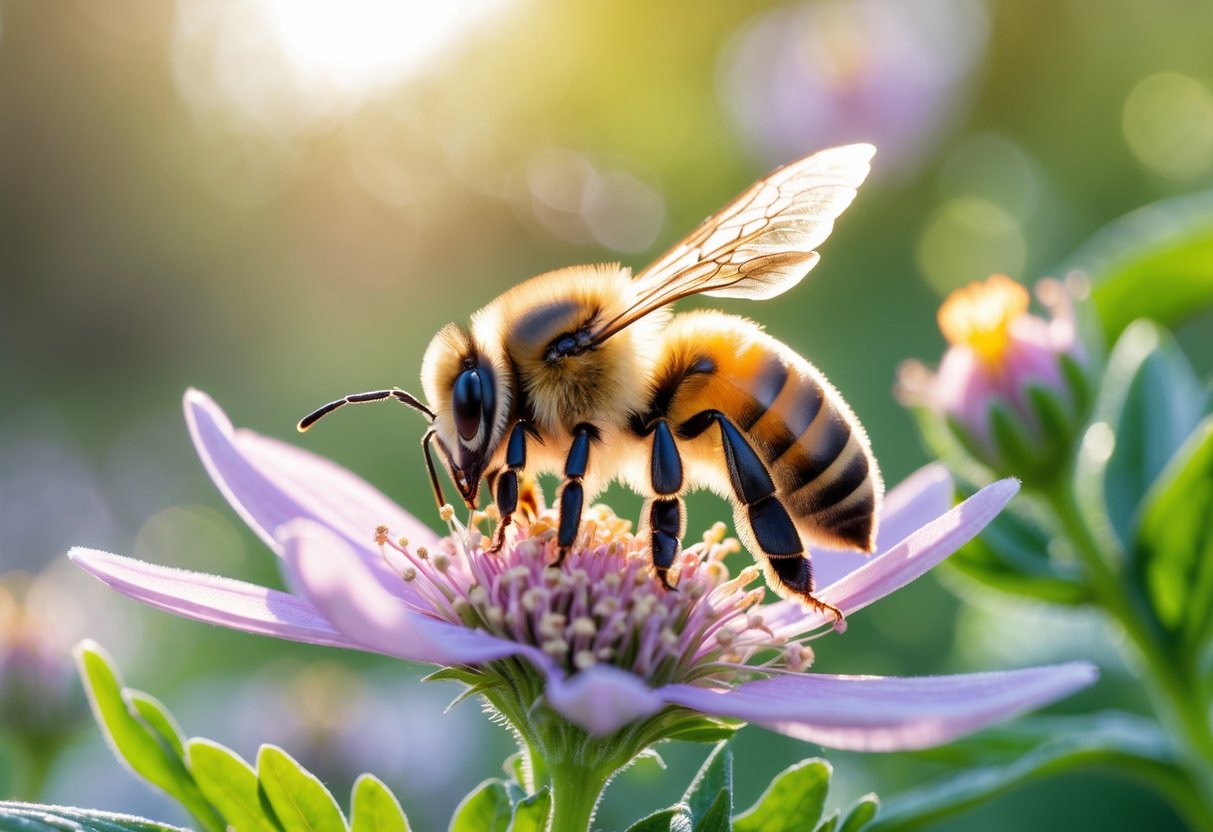
You might be surprised—some bees can’t sting at all, like stingless species, and male bees don’t even have stingers. Even bigger bees, like carpenter bees, hardly ever sting, unless you handle them roughly.
If you understand these differences, you’ll probably feel calmer and more connected when you spot bees outside.
Knowing which bees are safe lets you enjoy your garden or park without worry. This guide points out the friendliest bees and explains why most bees only sting when they feel threatened.
For more info on gentle bees, here’s a friendly bees guide.
Bee Species Least Likely to Sting You
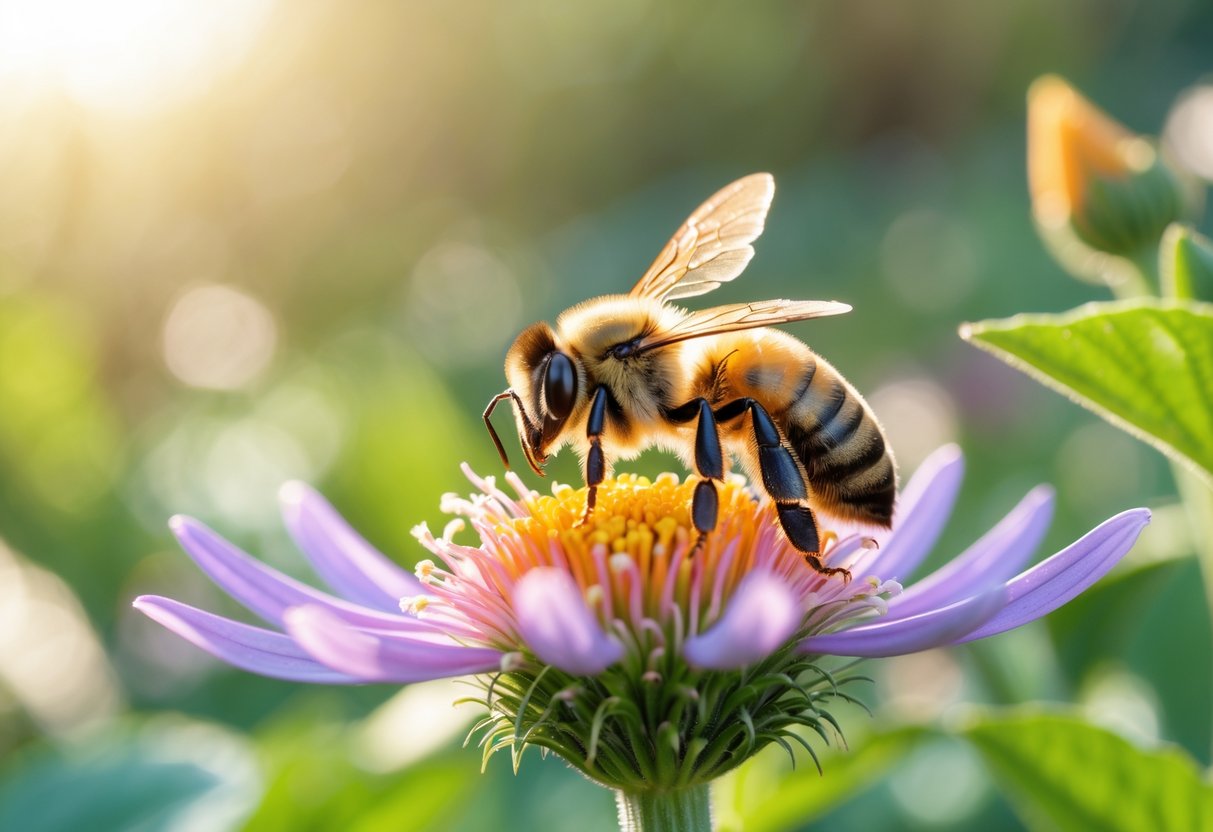
Not every bee will sting you—many can’t even do it. Some bees are naturally stingless, while others only sting in rare situations.
Certain male bees and solitary bees just avoid stinging altogether. They’re safe pollinators to have around the garden.
Stingless Bees and Meliponini
Stingless bees, especially those in the Meliponini group, can’t sting at all. Their stingers have changed over time and don’t pierce skin.
These bees defend themselves by biting or using other tricks, so people don’t need to worry about getting stung.
Meliponini bees mostly live in tropical places and make honey a lot like honeybees, just in smaller amounts. They play a big role as pollinators and help plants that other bees can’t.
If you want bees that won’t bother you but still help your plants, stingless bees are a solid pick. They focus on nectar and pollen, not stinging.
You can learn more at Britannica’s stingless bees page.
Male Bees: Carpenter and Bumblebee Varieties
Male bees, like male carpenter bees and bumblebees, simply can’t sting—they don’t have stingers. That’s true for all male bees, no matter the species.
Carpenter bees look big and maybe a little scary, but the males are gentle. They might hover around you, but they can’t hurt you.
Females do have stingers, but they rarely use them unless you really bother them.
Bumblebee males also can’t sting, while female bumblebees only sting if their nest is threatened. Since males don’t defend nests, they’re harmless and safe to watch in your yard.
If you can spot male bees, you’ll probably feel less nervous and start appreciating them as pollinators. More details are in the guide on gentle bees.
Solitary Bees: Mason and Leafcutter Bees
Solitary bees like mason bees and leafcutter bees are among the least aggressive bees you’ll meet. They don’t live in colonies, so there’s nothing for them to defend.
Mason bees use mud to build nests in small holes. Leafcutter bees cut neat circles from leaves to make their nests.
Both types visit tons of flowers, making them fantastic pollinators.
Female solitary bees have stingers but almost never use them, since they don’t have a hive to protect. Male solitary bees can’t sting at all.
If you want helpful pollinators that mostly leave you alone, mason and leafcutter bees are a safe bet. They’re also great for your garden and help your plants thrive.
You can read more about solitary bee behavior at livebeekeeping.com.
Bee Stinging Behavior and Human Interaction

If you understand how and why bees sting, you’ll have a better shot at staying safe. Different bees have different stingers and personalities.
Some bees stay calm and rarely sting, while others can get grumpy and defensive. If you know these details and act carefully, your chances of being stung drop a lot.
Stinger Structure and Functionality
Bees use their stinger, a tiny needle-like tool, mainly for defense. Honey bees (Apis mellifera) have barbed stingers that get stuck in your skin.
When a honey bee stings, the stinger stays behind and keeps pumping venom, which makes it hurt more. The bee dies afterward, which is pretty sad if you think about it.
Other bees, like bumble bees and Africanized honey bees, have smooth stingers. They can sting more than once and don’t die from it.
These stingers still inject venom, but they don’t get stuck.
The stinger also releases alarm pheromones—kind of like a warning smell. This alerts nearby bees and can cause more of them to sting if they think there’s danger.
How and Why Bees Sting
Bees only sting if they feel threatened. They use stinging as a last-ditch defense for themselves or their colony.
For honey bees, protecting the hive is crucial, since stinging means death for many workers.
Africanized honey bees, or “killer bees,” act more defensive and will sting in bigger groups if their hive is disturbed. They put out stronger alarm pheromones, so even more bees rush in to defend.
What you do matters, too. If you make sudden moves, get loud, or walk too close to a hive, you might trigger stings.
Bees may also sting if you squash them or block their flight path. Most bee stings happen because the bee feels trapped or attacked.
Aggressiveness Among Common Bee Types
Bee species vary a lot in how aggressive they get.
| Bee Type | Aggressiveness Level | Sting Likelihood | Notes |
|---|---|---|---|
| Honey Bees (Apis mellifera) | Low to moderate | Usually only when threatened | Single sting, dies after stinging |
| Africanized Honey Bees | High | Sting in large numbers | Aggressive defenders, multiple stings possible |
| Bumble Bees | Low | Rarely sting if undisturbed | Smooth stingers, can sting multiple times |
| Carpenter Bees | Low | Rarely sting | Usually calm unless provoked |
Honey bees that beekeepers raise tend to be gentle. Colonies protect honey and larvae, so stinging is all about defense, not attack.
Wasps and hornets often get mistaken for bees, but they’re usually much more aggressive and sting more easily.
Tips to Avoid Being Stung
You can lower your chances of getting stung by bees if you keep a few things in mind.
Try to stay calm when bees are around. Don’t start waving your arms or making sudden moves—they really don’t like that.
Skip the bright colors and flowery perfumes. Bees seem to love those, and you don’t want to invite extra attention.
Watch out for bee flight paths, especially if you’re hanging out near flowers or hives. It’s best not to block their way.
Wear light-colored, smooth clothes. For some reason, bees tend to ignore these more than dark or rough fabrics.
If a bee lands on you, just wait it out. Swatting usually makes things worse, so patience is your best friend here.
Pay attention to where bee colonies might be. Try not to disturb them—they’re just doing their thing.
If you’re allergic or have a history of anaphylaxis, always carry an epinephrine injector. Honestly, it’s smart to avoid areas with lots of bees altogether.
Keeping yourself safe doesn’t mean hurting bees or messing with their important work. Bees already deal with enough problems, like losing their homes and harmful pesticides.
Coexisting peacefully with bees matters—for you and for nature.
Want to know more about bee stings or their behavior? Take a look at this info on how bees sting.


