
Ever wondered why you’re suddenly getting bitten so much in the UK? It’s really a mix of bugs being extra active and, honestly, some things about you that just attract them.
Stuff like your skin chemistry, what you wear, and even your blood type can make you more appealing to insects.

The warmer weather doesn’t help. Mosquitoes and other bugs love the heat and humidity, so summer brings a surge in bites.
If you’re sweating or hanging out near water or lots of plants, you’re basically sending out a dinner invitation.
Figuring out why you’re getting bitten lets you actually do something about it. Choose a good repellent, switch up your clothes, and you can lower your chances of being their favorite snack.
Let’s dig into what’s going on and how you can keep those bites to a minimum.
Common Reasons for Getting Bitten More in the UK
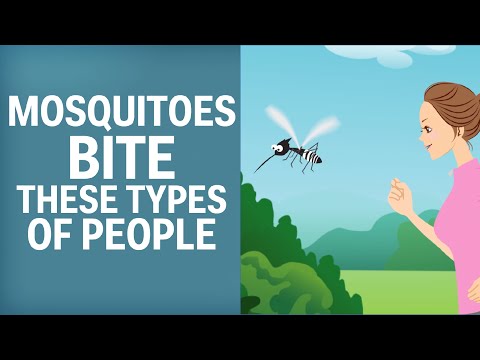
You might notice more bites because of things about your body, the bugs near you, and the weather. Some insects just seem to be everywhere these days, and changes in the environment mean you’re more exposed.
Why Some People Are Bitten More Often
Your body chemistry could make you a bug magnet. The way you naturally smell, the bacteria on your skin, and even the carbon dioxide you breathe out draw in mosquitoes and midges.
People with type O blood get bitten more than others.
Wearing dark clothes? Bugs like horseflies and mosquitoes spot you more easily.
Some people react more to bites, so their skin gets redder or more swollen. That can make every bite feel worse than it is.
Most Active Biting Insects in the UK
Mosquitoes, midges, gnats, and ticks are the main culprits in the UK. Mosquitoes usually bite at dawn and dusk, going for exposed skin like your lower legs.
Midges are tiny and love hanging around lakes and rivers. Their bites itch and leave red bumps.
Ticks latch onto you if you walk through long grass or woods.
Horseflies are bigger and their bite actually hurts. They’re out and about during hot days.
False widow spiders don’t bite often, but if they do, it’s not pleasant.
| Insect Type | Active Time | Bite Location | Symptoms |
|---|---|---|---|
| Mosquitoes | Dawn and Dusk | Below the knees | Itchy red bumps |
| Midges | Daytime, near water | Exposed skin | Red, itchy lumps |
| Gnats | Day and night | Any exposed skin | Mild irritation |
| Ticks | Daytime, in grass | Legs, arms | Red marks, sometimes rash |
| Horseflies | Hot summer days | Arms, legs | Painful bite, swelling |
Climate and Environmental Changes
Long wet spells followed by hot weather have become pretty common in the UK. This combo gives mosquitoes and midges perfect breeding grounds.
Stagnant water in puddles and containers lets mosquito larvae thrive.
Warmer temperatures keep bugs active for more of the year. You might spot them even outside the usual summer stretch.
If you live near gardens, woods, lakes, or rivers, you’re just going to see more of them.
Invasive and Emerging Species
New bugs are showing up in the UK, thanks to climate change and more travel. Some of these newcomers, like the Asian tiger mosquito, bite harder and more often.
You might bump into these invasive species during the day, which means more bites than before.
False widow spiders are popping up in more places too. They rarely bite, but it’s good to know they’re around.
Taking a few extra precautions against these new insects can really help.
For more details about why bites are on the rise, check out this guide on why am I getting bitten so much in the UK.
How to Identify and Manage Reactions to Insect Bites

Knowing what kind of bite you have—and how your body reacts—can make a big difference. Spotting symptoms, treating bites at home, and knowing when to get help are all part of it.
Recognising Different Types of Bites and Symptoms
Different bugs leave different marks. Mosquito bites tend to cause red, itchy bumps.
Tick bites sometimes leave a bulls-eye rash, which can be a sign of Lyme disease.
Spider bites might hurt, swell up, or turn red—sometimes more than other bites.
Ant bites usually hurt and might turn into blisters.
Watch out for:
- Itching and redness
- Swelling or pain
- Rashes or blisters
- Signs of infection like pus or heat
Mite or scabies bites show up as tiny red bumps, usually in clusters, and itch like crazy.
If you keep an eye on your symptoms, you can decide if it’s just an annoying bite or something more. For more info, see Insect bites and stings – NHS.
First Aid and Home Treatments
To ease itchiness and swelling, grab some antihistamines or hydrocortisone cream from the pharmacy. A cold compress helps with swelling and pain, too.
If the bite is painful, paracetamol or ibuprofen can take the edge off. Just follow the directions on the box.
Don’t scratch, even though it’s tough—it just ups your risk of infection. Gently clean the area with soap and water.
Using insect repellent when you’re outdoors can prevent more bites.
If you notice trouble breathing or swelling that spreads, get help right away. For more home care tips, check out How To Identify and Treat Common Bug Bites and Stings – Health.
When to Seek Medical Advice
See a doctor if you notice any of these:
- Signs of infection like pus, spreading redness, or increasing pain
- Trouble breathing or swelling of your face or lips
- A bad reaction to bee, wasp, or ant stings
- A bite that’s getting worse after a few days
- A tick bite with symptoms like fever, rash, or tiredness
- Spider bites causing intense pain or redness that spreads
Some bites can lead to serious illnesses, like malaria or scabies, especially if you’ve traveled recently.
You can find more about when to get help at Bug Bites & Stings: Symptoms & Treatment (First Aid).
Reducing the Risk of Allergic Reactions
If you’ve had strong allergic reactions before, it’s a good idea to talk to your doctor about carrying an emergency injection like an epinephrine auto-injector.
Try not to scratch bites—scratching just makes swelling and infection worse.
Use insect repellent whenever you’re outside. It really helps cut down on bites.
Keep your home tidy so pests like mites and bedbugs don’t move in.
If you know you’re allergic to insects like bees or wasps, wear protective clothing. Maybe skip the bright colors or strong scents that could attract them.
Taking antihistamines early on can help ease mild allergic reactions.
For more tips on how to deal with bites, check out Insect bites and stings: how to identify and treat them – Which?.


