
Ever watched bumblebees buzzing around your garden and wondered why they don’t make honey like honeybees? You’ll see them collecting nectar, sure, but they don’t seem interested in turning it into big stores of honey.
Bumblebees only make small amounts of honey—just enough to feed their colony for a short while. They don’t store it for winter like honeybees do.
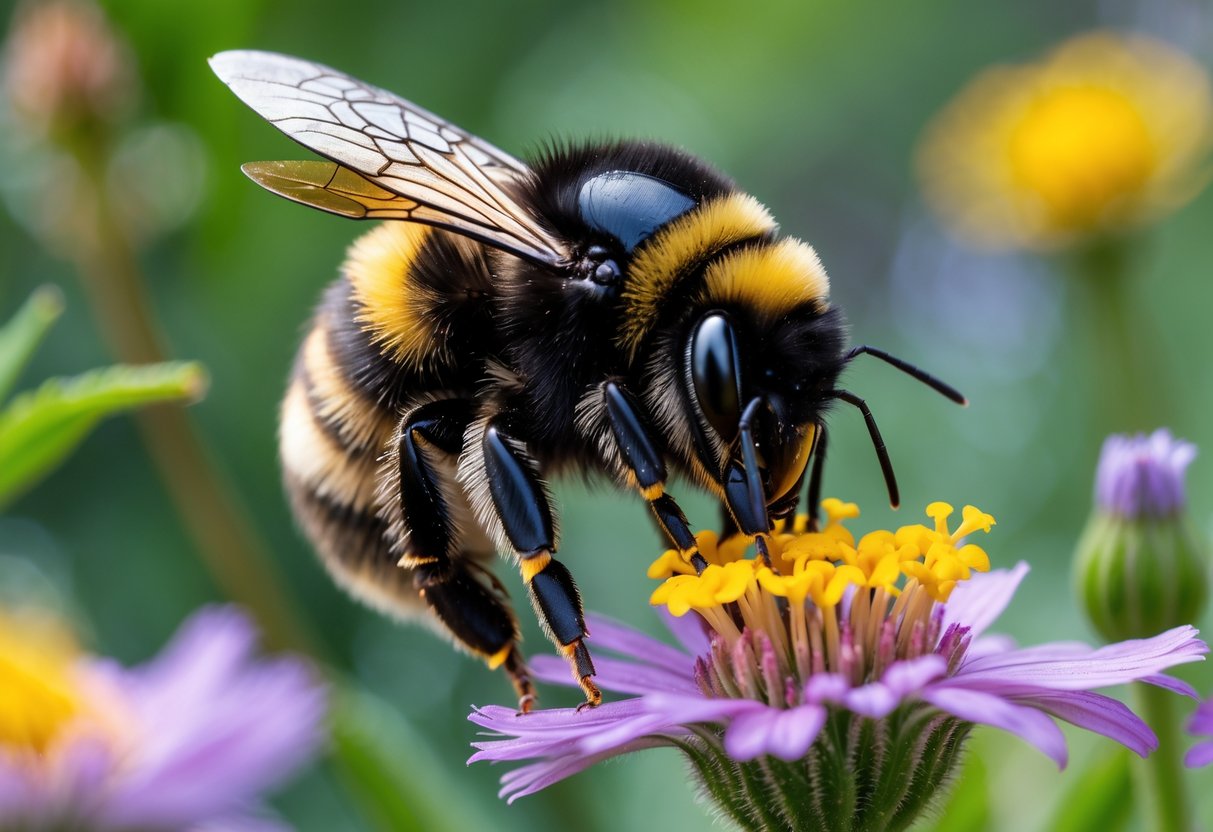
Bumblebee colonies stay much smaller and stick around for only one season. Only the queen makes it through the winter.
So, the colony doesn’t bother storing lots of honey. Bumblebees just focus on gathering enough food to keep their larvae fed while it’s warm out.
Honeybees, though? They build huge hives and pack them with honey to last through the cold months.
You might not realize how different bumblebees really are. They do some pretty unique things, like buzz pollination, which honeybees can’t manage.
Curious about how bumblebees live and why they’re so different? Let’s dive in.
Why Do Bumble Bees Not Make Honey?

Bumble bees don’t make honey like honey bees because their needs and habits just aren’t the same. They store only a little nectar to feed their colony, and their colonies don’t last long.
These differences shape how they handle food storage and honey production.
Bumble Bee Nectar Storage vs. Honey Production
Bumble bees collect nectar and stash it in tiny wax cups called nectar pots inside their nest. They use this nectar mostly to feed the colony as it grows.
Honey bees, on the other hand, turn nectar into thick honey that lasts for months. Bumble bees don’t do all that processing.
Their nectar stores stay small and less processed. So, you won’t find big honeycombs full of honey in a bumble bee nest.
Since bumble bees don’t need to save food for winter, their nectar pots just give a quick energy boost. What they store isn’t really “true” honey like honey bees make (source).
Bumble Bee Colony Life Cycle and Food Needs
A bumble bee colony only lasts one season—usually just a few months. After that, the whole group dies off except the queen, who hibernates.
Because the colony doesn’t stick around through winter, bumble bees don’t need big honey stores. They spend the warm months collecting enough nectar and pollen to feed the colony and raise new queens.
The amount of food they store matches what they need right then. They don’t keep extra for the long haul.
Their seasonal life means their food storage is minimal and gets used up fast. They survive by making just enough nectar stores to last while they’re active (source).
Key Differences in Honey Processing
Honey bees make honey by drying out nectar and adding enzymes. They stash the finished honey in comb cells and seal it with wax, so it keeps for ages.
Bumble bees skip most of that. They store nectar in wax pots but don’t dry it out all the way or turn it into thick honey.
Their “honey” stays runny and gets eaten up right away. Since their colonies are smaller and don’t last long, they just don’t need to make extra honey.
That’s why you won’t see bumble bees making honey in the big amounts people harvest from honey bees (source).
How Bumble Bees Contribute to Ecosystems

Bumble bees matter a lot in nature and farming. They help plants grow by moving pollen around.
They support the food you eat, and honestly, they do things differently from honey bees. That makes them pretty special.
Pollination Roles of Bumble Bees
Think of bumble bees as powerhouse pollinators. They visit loads of bee-friendly flowers to gather nectar and pollen.
Their big, fuzzy bodies pick up extra pollen, so they spread it between flowers better. Bumble bees also have a trick called buzz pollination.
They vibrate certain flowers to shake loose pollen that other bees just can’t reach. This helps plants like tomatoes and blueberries make more fruit.
Since bumblebee colonies are smaller, your local pollination might seem a bit quieter. But they work in cooler, cloudier weather when other bees stay home.
That means they keep plants productive even when the weather isn’t great.
Impact on Crops and Agriculture
Bumble bees boost your food supply by pollinating all kinds of crops. Fruits, veggies, flowers—you name it.
Their buzz pollination really helps with plants honey bees struggle with. Farmers count on bumble bees right alongside honey bee colonies to get bigger harvests.
If you grow food, you might notice better results with bumble bees around. They keep foraging even when it’s cool or damp, helping plants that need more time to bloom.
You can pitch in by planting flowers that bloom at different times. That gives bumble bees solid food sources and helps their populations thrive with honeybees.
Bumble Bees Compared to Honey Bees in Ecosystems
Sure, Apis mellifera honey bees get all the attention for making honey, but bumble bees play a huge role too. Bumble bees don’t stash away big stores of honey, since their colonies only stick around for a year.
Bumble bees and honey bees both help keep ecosystems in check. Honey bees usually build large, strong colonies, while bumble bees handle colder climates and unpredictable weather better.
If you care about bee populations, you should know both kinds deal with big threats—habitat loss, pesticides, and all that. Supporting bumble bees actually helps wild pollination, which boosts native plants and keeps the food chain humming.
Try planting native flowers or cutting back on chemicals in your yard if you want to help out.
Each bee type really does something different, making gardens and the whole environment healthier.
You can find more about bumble bees and their impact on crops and ecosystems at beekeepercorner.com.


