
Ever watched bumble bees buzzing around your garden and wondered if they make honey like honey bees? Well, they really don’t—bumble bees don’t make honey the way honey bees do, mostly because their colonies are much smaller and they just don’t need to store lots of food.
Their nests last for only one season. So, they only gather enough nectar to feed the colony while it’s active.

Honey bees build up big honey stores to get through winter. Bumble bees, on the other hand, keep just a little nectar in tiny wax pots.
This nectar feeds their young and the queen, but only for a short while. So, technically, bumble bees do make something like honey, but it’s not the thick, sweet stuff you find in jars at the store.
It’s kind of fascinating, right? These little insects have their own way of fitting into nature, and it’s pretty unique.
If you’re curious about how bumble bees live and why their honey is different, let’s dig a little deeper into their habits. You can also check out why bumble bees don’t make honey for more details.
Key Reasons Bumble Bees Do Not Make Honey Like Honey Bees

Bumble bees and honey bees treat honey very differently. Their behaviors, life cycles, and what their colonies need all play a part.
Their smaller colonies and seasonal patterns change how they collect and store nectar and pollen. These differences shape how much honey they actually produce.
Differences in Honey Production Process
When you watch honey bees (Apis mellifera), you’ll see a big, ongoing honey operation. They gather nectar, bring it home, and pass it from bee to bee to concentrate the sugars.
This teamwork turns nectar into thick, long-lasting honey, which they stash in neat honeycomb cells.
Bumble bees gather nectar too, but they work on a much smaller scale. They don’t fill up big honeycombs. Instead, they store nectar in small wax pots inside their nests.
This honey feeds the larvae and the queen during short cold spells. They don’t use it for long-term storage.
Life Cycle and Seasonal Needs
Honey bee colonies keep going all year. They build up big honey reserves to survive winter when flowers disappear.
Their long life cycle means they have to plan for times when food is scarce.
Bumble bee colonies only last one season. A queen starts a new colony in spring, and by fall, the colony dies except for new queens.
They don’t bother storing much honey because they don’t need to survive through long winters. Their short life lets them rely on finding nectar during their active months.
Colony Structure and Size
Honey bee colonies get huge—sometimes up to 50,000 bees. That’s a lot of mouths to feed.
So, honey bees create big honey stores to keep thousands of workers and the queen alive all year.
Bumble bee colonies stay much smaller, usually just a few hundred bees. With only a small group, their food needs are way lower.
Their nests are simpler. You won’t find big honeycomb structures or massive honey stores.
Nectar and Pollen Storage Methods
Honey bees stash honey in neat, hexagonal honeycombs, and it can last for months. They store pollen separately as a protein source.
You’ll see tidy rows of honeycomb packed with honey.
Bumble bees use small wax pots inside their nests to hold nectar for a short time. This nectar—sometimes called bumblebee honey—isn’t as processed and only sticks around as long as the colony needs it.
They keep pollen nearby, but just in small amounts. Their storage style matches their seasonal life and smaller colony size.
For more on this, check out biologyinsights.com’s article on differences in food storage between bumble bees and honey bees.
Bumble Bees’ Role as Pollinators and Their Value to Ecosystems
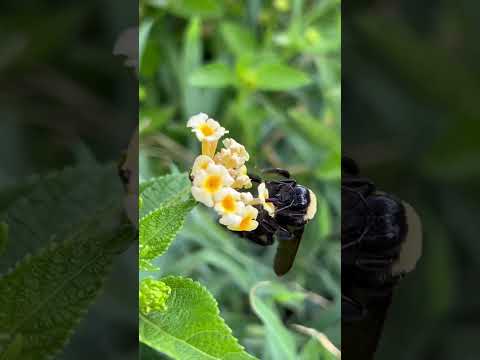
Bumble bees have some pretty cool ways of moving pollen around. Their work helps tons of plants grow strong.
They also give farmers a hand by boosting fruit production. Certain flowers actually depend on them, and that keeps natural spaces healthy and lively.
Pollination Techniques and Buzz Pollination
Bumble bees use something called buzz pollination. Ever see them vibrate their wings like crazy? That shakes pollen loose from flowers that hold on tight.
This trick matters for plants like tomatoes and blueberries, which don’t let go of their pollen easily.
Because bumble bees are big and furry, they carry more pollen than lots of other pollinators. That means they’re super effective at spreading pollen between flowers.
Buzz pollination lets bumble bees pollinate plants that honey bees can’t. That makes them extra valuable in all kinds of ecosystems.
Impact on Crops and Agriculture
Bumble bees really help farmers grow better crops. They’re great at pollinating fruits like strawberries, blueberries, and tomatoes.
They keep working even when it’s cold or rainy, which is a big deal when other bees stay home.
Farmers often count on bumble bees along with honey bees for better pollination. Wild bees, including bumble bees, are crucial for keeping farms productive.
When bee numbers drop, crops can suffer, and that can mess with food supplies and prices.
Relationship With Bee-Friendly Flowers
Bumble bees play a huge role for wildflowers and native plants. They seem to love flowers that fit their foraging style—think big, open blooms in certain colors.
You’ll catch bumble bees buzzing around these flowers, grabbing nectar and pollen with surprising efficiency. They don’t waste time.
Their pollination work keeps biodiversity alive in natural areas. Other wildlife, from birds to small mammals, rely on these plants for food and shelter.
Planting bee-friendly flowers in your yard? That’s a solid way to help local bumble bee populations and give a boost to the whole ecosystem nearby.
If you’re curious about how bumble bees support pollination and agriculture, check out Clemson University.


