
Ever spot a bumblebee buzzing around the garden and wonder which one’s the queen? Honestly, you’re not the only one who’s curious. The bumble bee queen is noticeably bigger than the workers and drones, with a rounder, fuzzier body covered in thick hair. Her size and shape kind of give her away, but only if you know what to look for.
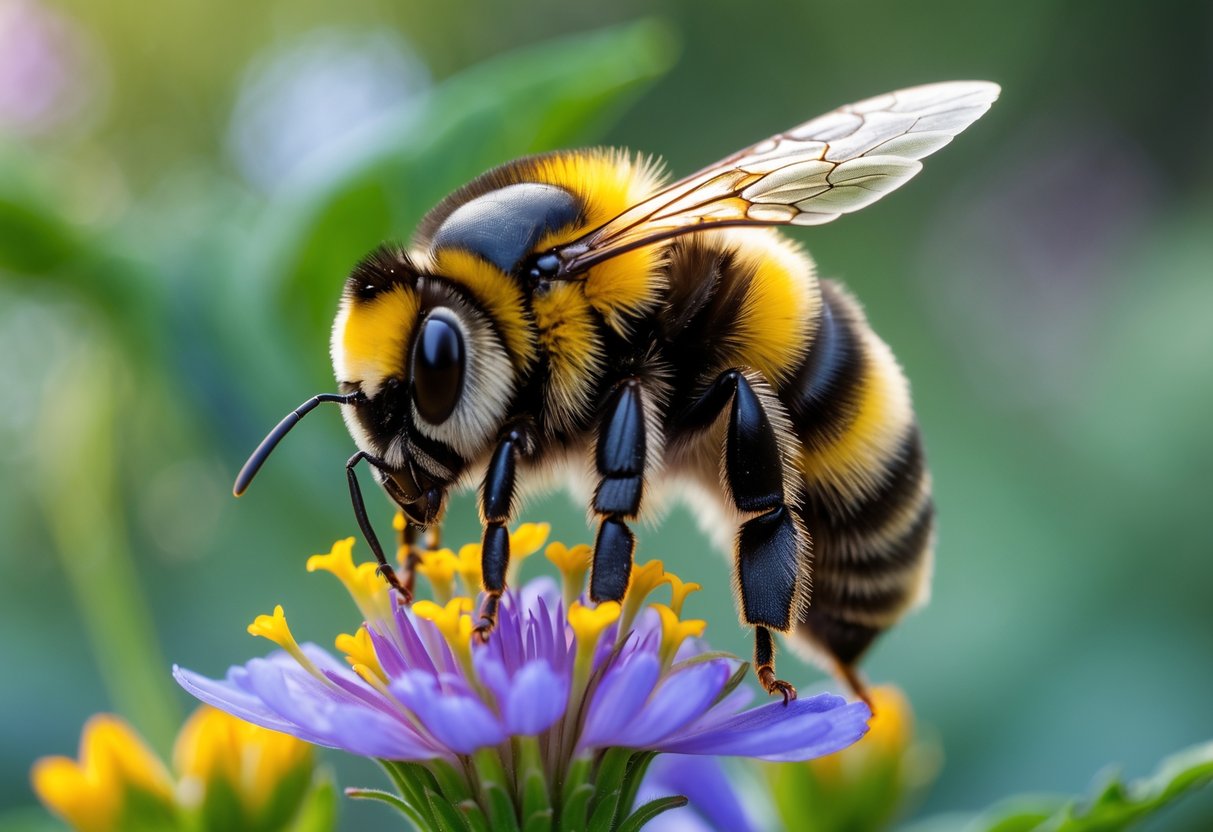
You’ll usually spot the queen hanging out near the nest or searching for a new place to start one, especially when spring rolls around.
If you can pick her out, you’ll get a better sense of how the whole bumblebee colony works. Plus, it’s just fun to know who’s running the show.
Want to get better at telling the queen apart from the rest? Keep reading for the key signs—her size, her hair, and how she acts. It’s honestly not that hard once you get the hang of it.
How to Identify a Bumble Bee Queen

Spotting a bumble bee queen means you need to pay attention to her size, colors, and body shape. Try comparing her with the workers and the males nearby.
Differences in markings and shape can help you figure out if you’re looking at a queen or just another bee.
Size Compared to Workers and Males
The queen really stands out because she’s much bigger than the workers and the males. Usually, she measures about ¾ to 1 inch long, which is pretty hard to miss if you see her next to the others.
You’ll notice her thick, robust body right away. That bigger size lets her handle big jobs like starting a whole new colony.
Workers and males just look smaller and slimmer since they have different tasks, like gathering pollen or finding a mate.
Coloration and Distinct Markings
Bumble bee queens show off bright stripes and bold colors, though it depends on the species. You might see bands of black, yellow, or even orange hair.
Her hair is denser and longer than the others, so her colors really pop. These markings help other bees recognize her, which is pretty important for the colony.
Unique Body Features
She’s got a thicker, rounder body than the rest. Her fuzzy look comes from all that dense hair.
Check out her wing muscles—they’re bigger, which helps her fly longer distances when she’s looking for a nest. The queen’s abdomen is larger too, since she needs plenty of space to lay eggs.
If you look closely, her legs aren’t as hairy as the workers’ legs. Workers usually have legs covered in pollen.
Female vs Male Bumblebee Differences
Females include both queens and workers, but males look and act differently. Males are usually smaller than queens and sometimes even smaller than workers.
They’re slimmer and their color patterns can be different too. Males don’t have stingers, but queens do.
Plus, males don’t have pollen baskets on their legs. You’ll see females collecting pollen, while males are mostly just flying around looking for a mate.
The Role and Lifecycle of the Bumble Bee Queen

The queen bumble bee leads the colony. She starts the nest, lays all the eggs, and keeps everything going.
Her work keeps the hive alive and thriving.
Emergence and Hibernation
A queen begins her life by waking up from hibernation when spring arrives. She spends the winter in a slowed-down state called diapause, using up her stored energy.
When it gets warm, she crawls out from her hiding place to look for a nest spot. After mating in the fall, the fertilized queen hibernates alone.
She produces special pheromones that signal her queen status when she wakes up. Her big size and strength help her survive cold weather and predators through winter.
Nesting and Colony Establishment
Once she’s up and moving, the queen searches for a safe place to start her new colony. She often picks abandoned rodent burrows or piles of leaves.
She digs out a small chamber and starts building wax pots for pollen and nectar. The queen lays her first eggs in these pots and looks after them herself.
The whole colony depends on her until the first worker bees hatch. Her hard work gets the bumblebee nest off to a strong start.
Egg Laying and Incubation
In your bumblebee colony, only the queen lays eggs. She’ll carefully place them in little wax pots inside the nest.
After laying, she warms the eggs with her own body heat to incubate them. It’s kind of fascinating how she handles everything herself at first.
The eggs hatch into larvae in about four or five weeks. These little larvae need pollen and nectar, which the growing worker bees start bringing in.
While the first batch develops, the queen keeps laying more eggs. This constant activity keeps the whole colony busy.
If the colony stays healthy and there’s plenty of food, your queen might lay hundreds of eggs in a season. That’s a lot, honestly, and it gives the colony a much better shot at pollinating plants and surviving tough stuff like habitat loss or pesticides.
Learn more about the queen’s life stages at Bumble Bee Life Cycle and Role in the Colony.


