
Ever wondered how much an EpiPen costs if you get stung by a bee? The answer might catch you off guard. A two-pack of EpiPens usually costs between $600 and $735 if you don’t have insurance. That’s a hefty price tag for something you might need in an emergency.
The medication itself isn’t expensive. The real cost comes from the device.
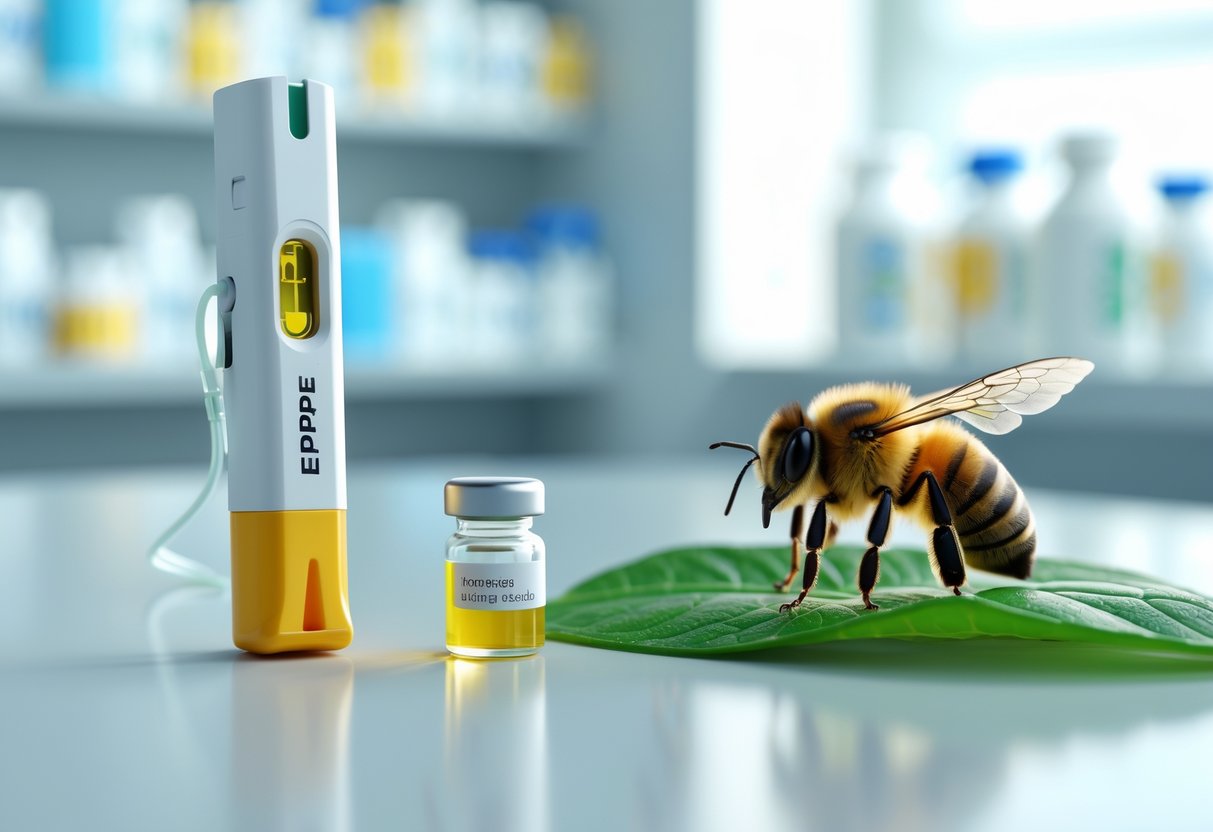
If you know the price ahead of time, you can plan better—especially if you have allergies that put you at risk. There are ways to save, like using coupons or picking a generic version.
Knowing these things can help you stay prepared without emptying your wallet.
EpiPen Cost for Treating a Bee Sting
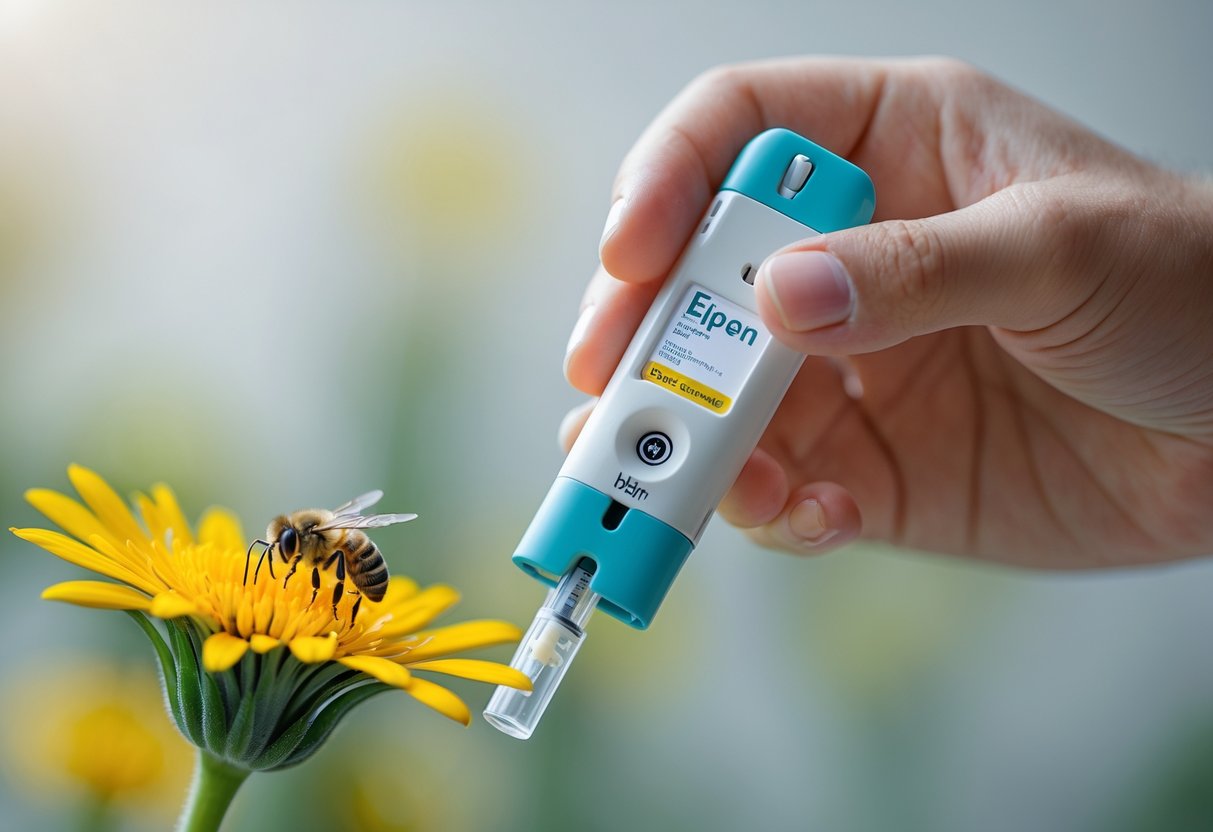
If you have a bee sting allergy, it’s important to know the cost and your options. Prices can jump around depending on the brand, pharmacy, and whether you go with a generic.
You’ll notice different prices depending on where you shop and which type of epinephrine auto-injector you need.
Average Prices for EpiPen and Epinephrine Auto-Injectors
A two-pack of EpiPens usually runs from $600 to $735 if you pay out of pocket. Generics are a bit more affordable, often between $100 and $500 for two.
If you need an EpiPen Jr for kids (the 0.15 mg dose), prices are about the same as the adult version, but pharmacies sometimes set their own rates. Other injectors like Auvi-Q and Adrenaclick exist too, but the prices can be all over the place.
Most of the cost comes from the injector, not the epinephrine itself.
Price Differences Among Pharmacies
Where you buy your EpiPen really matters. Walgreens might charge over $600 for a two-pack, but CVS or other places could offer a slightly different deal.
Some pharmacies toss in discounts or coupons to help. Comparing prices at a few places—maybe even online—can save you a surprising amount.
Sometimes, smaller local pharmacies beat the big chains on price. It’s worth checking around before you fill your prescription.
Cost of Brand-Name vs Generic Options
Brand-name EpiPens, made by Mylan, usually have the highest price—often around $700 for two. Generics, on the other hand, can drop as low as $100 to $300 for a two-pack.
Generics have FDA approval and work just as well, but they skip the expensive branding.
Other generics like Symjepi might be even cheaper than EpiPen. Your doctor can help you figure out which one makes sense for you.
Ask your pharmacy if you can get a generic epinephrine auto-injector. It could really lower your out-of-pocket costs.
For more details, check out How Much Does an EpiPen Cost? (2025 Prices).
Ways to Save on EpiPen for Severe Allergies

Buying an EpiPen isn’t cheap, but you do have options to save. Insurance can help cut down your costs.
You can also look for discounts, coupons, or even alternative injectors that cost less but still work for your allergy.
Insurance Coverage and Co-Pay
If you have commercial insurance, Medicare, or Medicaid, your plan might kick in to cover part of the EpiPen cost. Most insurance plans list epinephrine injectors as a covered drug, which helps at the pharmacy.
Your co-pay could be as low as $30, but without insurance, you might pay over $700. Make sure to check if your plan covers generics—they’re usually cheaper.
It’s a good idea to review your insurance benefits each year and talk with your doctor or pharmacist about your options.
Discount Coupons and Patient Assistance Programs
Discount coupons, like those from GoodRx, can save you a lot—sometimes half or more off the EpiPen price.
Some manufacturers, like Kaleo, run patient assistance programs for people who can’t afford their meds. If you qualify, you might get free or discounted EpiPens.
To use these programs, you’ll need a prescription and proof of financial need. It’s definitely worth a try since they can take a big chunk off your bill.
Alternative Epinephrine Injectors
You’ve got more choices than just the brand-name EpiPen.
Some generic epinephrine auto-injectors have FDA approval and usually cost less.
They work just as well for treating anaphylaxis, whether it’s from food allergies or a bee sting.
It’s a good idea to ask your healthcare provider if a generic or another device could fit your needs.
Switching to an alternative might save you money, and you don’t have to sacrifice safety.
Just make sure you can use the device easily in an emergency—don’t skip that step.


