
Ever wonder why bees suddenly sting? Honestly, the answer’s not as complicated as you might expect. Bees mostly sting to protect themselves or their home. They’re drawn to things that remind them of flowers—bright colors, strong scents, or sugary drinks. If you know what attracts a bee to sting you, you can stay calm and probably avoid the pain.

Sometimes, without even realizing it, you might wear floral prints or use perfumes that bees just can’t resist. Even your sunscreen or shampoo could catch their attention.
These little details can really make a difference if you want a peaceful, less stressful time outside.
You don’t need to panic every time a bee buzzes by. Once you get what sets off their stinging, you can enjoy nature without always worrying about a sting.
If you’re curious about why bees do this and how to avoid getting stung, let’s dive in.
Key Reasons Bees Are Attracted to Sting You

Bees don’t just sting for no reason. Usually, they react when they feel threatened or something about you triggers their instincts.
Certain smells, colors, and movements can make them sting more often.
Perceived Threats and Defensive Behavior
Bees sting mostly to protect themselves or their hive. If you get too close to their nest, they see you as a threat and jump into defense mode.
When a bee stings, it releases an alarm pheromone that tells other bees nearby to get ready and help defend. That’s why one sting can sometimes turn into a few.
The sting hurts you, and it hurts the bee too. After stinging, the bee usually dies because the stinger gets stuck in your skin.
Bees don’t want to sting unless they feel they have to, either for their own safety or to protect their hive.
Role of Scent and Bright Colors
Bees love sweet scents like flowers since they collect nectar and pollen. But strong perfumes or floral smells you wear can confuse them, making them think you’re a flower.
Bright colors—yellow, white, and other flashy shades—draw bees in, too. As pollinators, they focus on colors linked to food.
If you wear bright clothes or strong scents, you might catch a bee’s attention. Once close, if the bee feels threatened, your chances of getting stung go up.
Sudden Movements and Accidental Contact
Quick or sudden movements can startle bees. If you swat at them or jerk around, they see that as a threat.
Sometimes you might step on a bee or brush against flowers or their hive by accident. Bees react fast to protect themselves if surprised by this kind of contact.
To avoid stings, try to stay calm and move slowly when bees are around. Walking gently or keeping still helps keep them calm, too.
For more on bee behavior, check out this guide to what attracts a bee to sting you.
Bee Species Differences and Types of Stingers
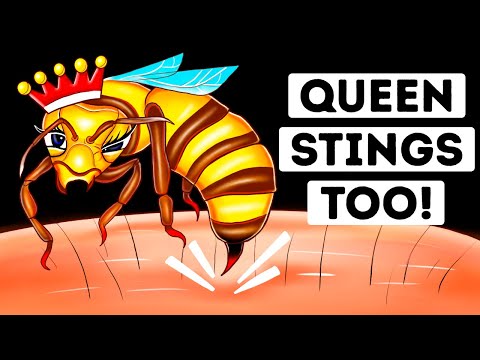
Different bees and similar insects have stingers that work in their own ways. Some can sting just once, leaving their stinger behind. Others can sting over and over without losing theirs.
Knowing how these stingers work helps you see why some bees sting more than others.
Honey Bees and Their Barbed Stinger
Honey bees have a barbed stinger. When they sting you, the barbs hook into your skin and the stinger gets stuck.
After stinging, the bee loses its stinger and dies soon after. The stinger keeps pumping venom into your skin even after the bee flies off.
It’s important to remove the stinger quickly to lessen pain and swelling. Honey bees usually only sting in defense, since it costs them their life.
Bumble Bees and Smooth Stingers
Bumble bees have a smooth stinger, so they can sting more than once without losing it. Unlike honey bees, they don’t leave their stinger behind.
Bumble bee stings hurt and can cause some swelling. Their venom is usually less potent than honey bees’, though.
They’re usually less aggressive, but if you disturb their nest or make them feel threatened, they’ll sting. Since they can sting repeatedly, it’s smart to stay calm and avoid quick moves around them.
Wasps and Multiple Stings
Wasps aren’t true bees, but people lump them together because they look similar and both can sting.
Unlike honey bees, wasps have smooth stingers. That means they can sting you over and over again without losing their stinger.
Honestly, wasps act more aggressive, especially if you wander too close to their nest or food. Their venom causes a sharp, painful sting—sometimes it even feels worse than a bee sting.
Because they can sting repeatedly, wasps get more dangerous when you disturb them. It’s probably best to just give them plenty of space if you spot them nearby.
For more details on these differences, see [What Attracts Bees to Sting You? Understanding Their Behavior and How…] (https://knowanimals.com/what-attracts-bees-to-sting-you/).


