
When a bee hits you, it might catch you off guard or even sting a little. Usually, bees bump into people out of curiosity or by accident—they’re not out to get you. Bees really just want to do their thing and will only sting if they feel cornered.
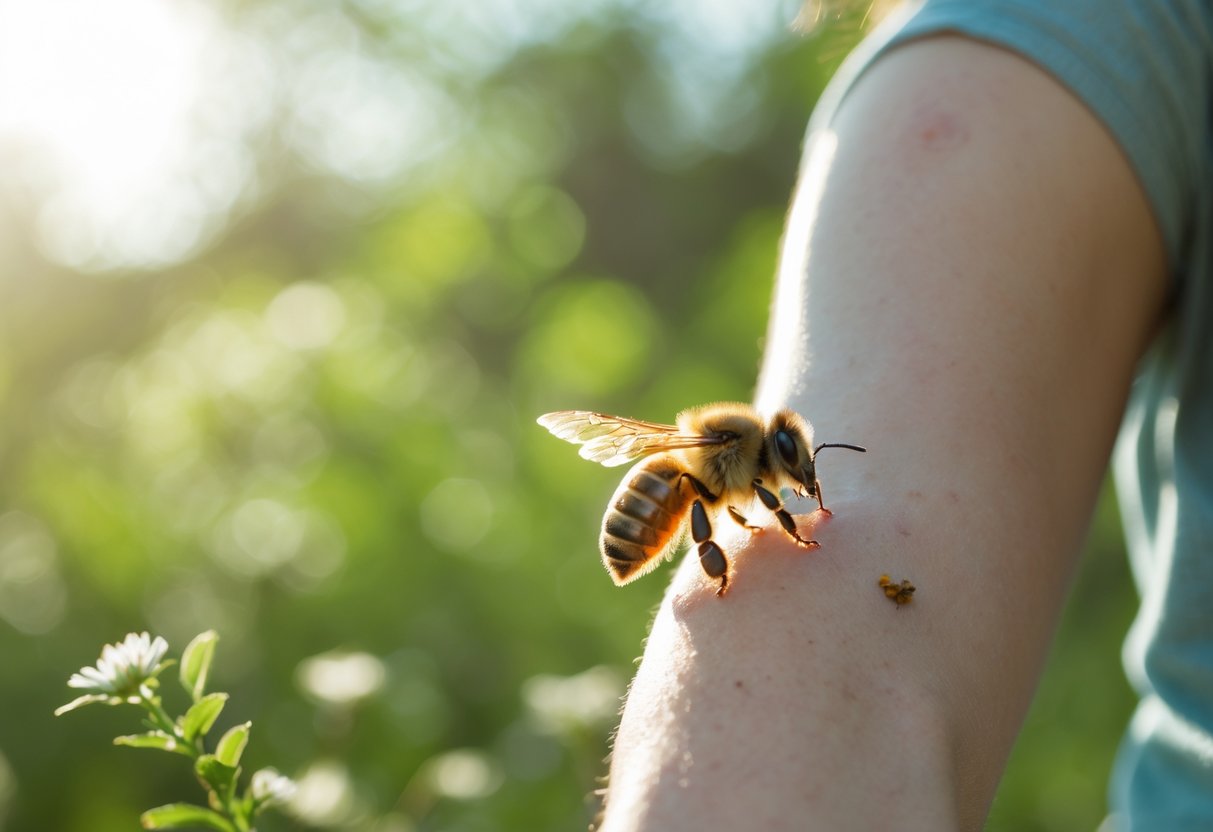
Some folks think a bee hitting you means more than just a bug encounter. It could be a nudge to notice your own growth or a reminder of how bees stand for hard work and harmony. Whether you see it as a practical moment or something a bit deeper, a bee’s touch can be pretty interesting.
Ever wondered what it really means when a bee brushes against you? Taking a closer look at both the facts and the symbolism might help make sense of your bee encounter.
Understanding What It Means When a Bee Hits or Lands on You
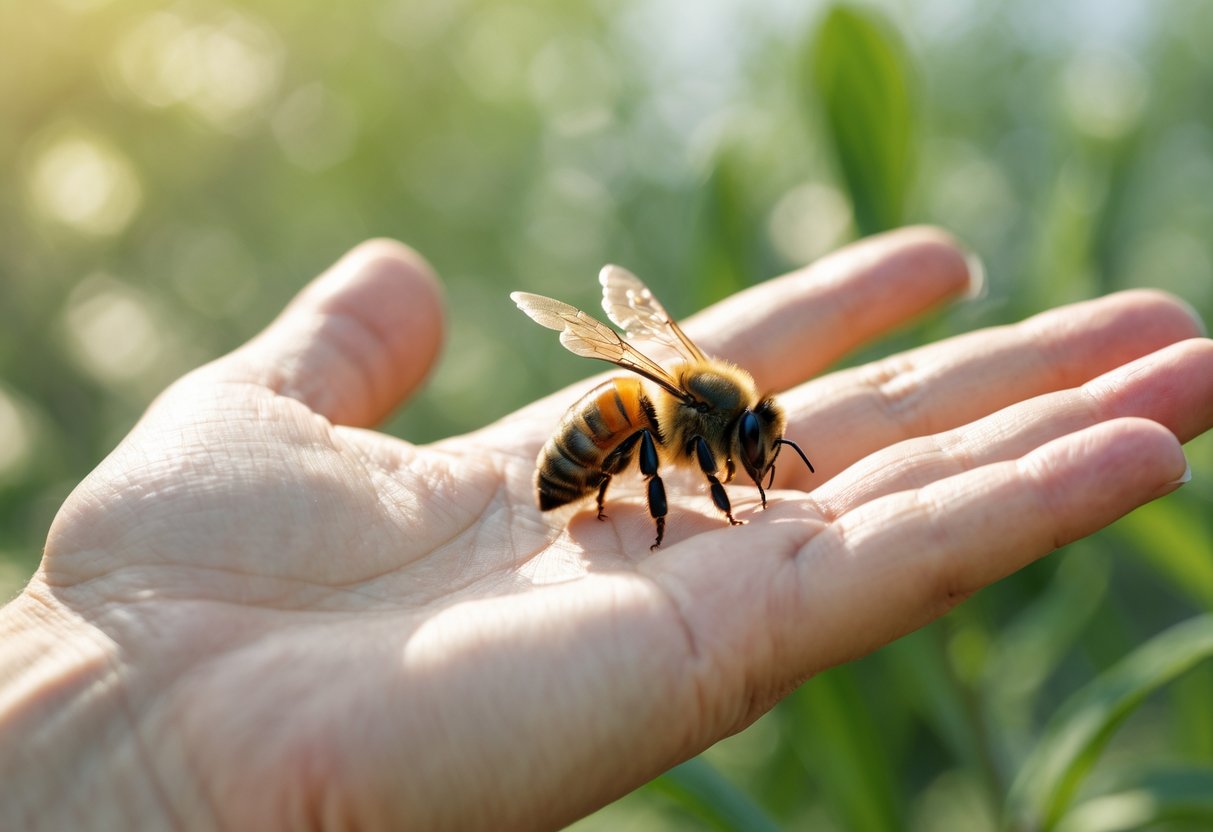
When a bee lands on you, there’s usually a reason, not just random chance. Bees act in certain ways depending on the situation and even the type of bee.
Knowing a bit about bee behavior can really help you stay relaxed and safe around them.
Physical vs. Accidental Encounters
Bees sometimes hit you by accident, especially if you move into their flight path. Other times, they land on you on purpose.
Scents like sweat, perfumes, or even bright colors on your clothes can attract bees. Male bees, which can’t sting, might just want to rest or check you out.
If a bee bumps you and then zips away, it probably just crossed your path by chance.
Typical Bee Behavior and Attraction to Humans
Most bees spend their days looking for flowers and pollen. Still, they might end up on you for a few reasons.
Sweat bees, for example, collect salt and moisture from your skin. Bright colors or floral scents on your clothing can also grab their attention.
Sometimes, bees stop to rest on your arm or shirt. They almost never land to sting—unless they feel you’re a threat.
Types of Bees: Honey Bees, Bumble Bees, and Sweat Bees
Honey bees act pretty gently and don’t sting unless they have to. They like sweet smells and bold colors.
Bumble bees are bigger and can sting, but they usually keep to themselves unless they’re bothered. Sweat bees are tiny and often land on you just to grab some salt from your sweat.
Male bees can’t sting, so if one hangs out on your arm, there’s no need to worry.
| Bee Type | Size | Sting Risk | Why They Land on You |
|---|---|---|---|
| Honey Bee | Medium | Low (if calm) | Attracted to smell and color |
| Bumble Bee | Large | Medium | Resting or defending territory |
| Sweat Bee | Small | Rarely | Collecting salt from sweat |
| Male Bee | Varies | None | Resting or exploring |
How to React When a Bee Lands on You
If a bee lands on you, try to stay calm and still. Quick movements freak bees out and make stings more likely.
You can gently blow on the bee or just wait for it to leave. If you need to move it, use a piece of paper or a towel, but do it slowly—no swatting.
Skip the sprays or chemicals; those just make things worse for both you and the bee.
Staying relaxed keeps everyone safe. Want more safety tips? Check out When a Bee Lands on You: Stay Calm and Safe.
Possible Outcomes and Significance of a Bee Encounter

Getting hit by a bee can lead to all sorts of reactions. Sometimes, nothing happens. Other times, you might get a sting.
How you react really depends on your body and the situation. There’s also the idea that these encounters mean something deeper than just a sore spot.
Bee Stings: Causes and Immediate Reactions
Bees sting when they feel threatened or if you get too close. Their sting injects venom, and your body reacts almost instantly.
You’ll probably feel sharp pain, redness, and some swelling. Sometimes your skin gets warm and itchy around the sting.
Some people just get mild discomfort. Others might feel more pain or irritation.
Medical and Allergic Responses to Bee Stings
Most bee stings just cause swelling and soreness. But if you’re allergic, your body can react more seriously.
Allergies might trigger anaphylaxis—trouble breathing, dizziness, and swelling that goes beyond the sting. If you know you’re allergic, keep an epipen handy.
For regular stings, antihistamines and ibuprofen can help with itching and pain. Clean the sting area to avoid infection.
If swelling gets worse or you have trouble breathing, seek medical help right away.
Spiritual and Symbolic Meanings of Bee Stings and Encounters
Bee stings can mean different things in various cultures. People often see bees as symbols of hard work, community, and persistence.
A sting could remind you to stay focused or be more aware of what’s going on around you. Some folks view it as a wake-up call or a push toward reflection and change.
Spiritually, a bee encounter might connect you to nature or highlight the need for balance in your life.
Prevention and Treatment Tips for Bee Stings
You can lower your chances of getting stung by skipping bright clothes or perfume when you’re outside. If a bee comes near you, try to stay calm and just back away slowly.
When a bee lands on you, it’s best not to swat at it. I know that’s tough, but swatting usually makes things worse.
If you end up getting stung, act fast:
- Grab something flat, like a credit card, and scrape the stinger out.
- Wash the sting with soap and water.
- Toss on some ice to help with swelling.
- If you start itching, you might want to try an antihistamine.
- For pain, ibuprofen usually does the trick.
If you’re allergic, keep an epipen close and make sure you know how to use it. Oh, and don’t forget—wasp stings can be just as nasty, so keep an eye out for those too.


