
When a bee starts buzzing around you, try your best to stay calm and avoid any sudden moves. Bees usually won’t sting unless they feel threatened, so if you keep still and relaxed, you’re much less likely to have any trouble.
If you swat at a bee or try to shoo it away, you might just stress it out—and that’s when stings happen.

Ever wonder why bees seem so interested in you? Sometimes, they’re just curious, or maybe they like your scent, your shirt color, or even your sweat.
Knowing this can actually help you feel more chill and in control when a bee is nearby.
How to React When a Bee Is Flying Around You

When a bee floats into your space, how you react really matters. Try to control your movements and don’t startle the bee.
If you move calmly and slowly, you’ll keep things peaceful for both you and the bee.
Stay Calm and Move Slowly
The first thing to do when a bee is close is just stay calm. Bees pick up on sudden actions as threats.
If you get jumpy or wave your arms, the bee might get scared or confused.
Take a deep breath. Relax your shoulders.
Move your hands or body slowly and gently. That way, the bee knows you’re not a threat.
Bees are pollinators—they don’t want to sting you unless they have to. Your calmness helps the bee get on with its day.
Avoid Swatting or Sudden Movements
You might feel like swatting the bee away, but that’s not going to help. Swatting or waving your arms quickly just makes the bee defensive.
That bumps up your chances of getting stung.
Keep your hands down or close to your body. Try not to jerk away or jump suddenly.
If you stay still for a few seconds, the bee usually gets bored and moves on.
Think of the bee as a tiny worker just doing its job. Giving it a little space helps you both out.
Gently Walk Away from the Area
If the bee sticks around, it’s okay to walk away slowly and calmly. Back up without any sudden steps or running.
That lets the bee know you want space, but you’re not a threat.
Pick a direction that leads you away from flowers or spots where bees like to hang out. Bees love blooming plants, so moving away from those areas means fewer run-ins.
When you walk away gently, the bee can get back to its business—pollinating flowers and keeping the garden going.
Moving slowly keeps you from panicking and makes the whole experience less stressful.
For more advice on safe bee encounters, see tips on how to stay calm when a bee is flying around you.
Why Bees Are Attracted to You and How to Avoid It
Bees notice a lot of things about you—your smell, the colors you wear, or even if there’s a hive nearby. If you understand this, you can avoid extra attention and lower your chances of getting stung.
Scents, Perfumes, and Nectar Mimics
Bees use their sense of smell to find nectar. If you’re wearing strong sweet perfumes or scented lotions, a bee might think you’re a flower.
Even fruity or floral shampoo can catch their attention.
Sugary foods or drinks you carry can also pull bees in. Candy, soda, or anything sweet will make bees come closer.
Try using unscented products and keep food covered when you’re outside. It’s a simple way to keep bees from getting confused.
Impact of Bright Colors and Patterns
Bees love bright colors, especially yellow and blue. Those colors look a lot like the flowers they visit.
If you wear clothes with bold patterns or shiny fabrics, bees might mistake you for a snack.
Picking neutral colors like white, tan, or gray can help you blend in. You’ll probably attract fewer bees that way.
Sweat and Human Odors
Bees sometimes check you out because of your sweat. Sweat has salts and minerals that bees need.
If you’re working out or it’s a hot day, bees might get curious about you.
Strong body odors from exercise or certain foods can also draw bees in. They pick up on those scents fast.
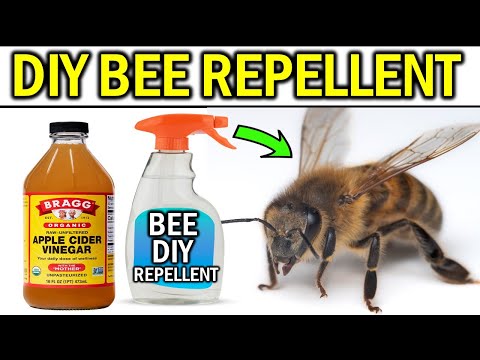
Wearing breathable clothes, showering regularly, and staying dry can all help. You can also use bee-safe insect repellents if you want to keep them at a distance without harming them.
Nearby Hives and Guard Bees
If you get close to a bee hive or nest, guard bees might start following you. They’re pretty serious about protecting their home, and they’ll fly around anything they see as a threat.
You might not notice a hive right away, especially if it’s tucked away in bushes, hidden in walls, or up in trees. Carpenter bees and bumblebees like to nest in wood or underground, and honestly, their guards don’t miss much.
If you want to avoid trouble, just move away from the area calmly and slowly. Try not to make any sudden moves or loud noises, since that really seems to set the guard bees off.
If you’re into beekeeping, it’s best to wear protective gear and make sure you know the safest ways to work near hives.
For more tips on steering clear of bee run-ins, check out why bees are attracted to you and what you can do about it at biologyinsights.com.


