
Bees help in nature, sure, but let’s be honest—sometimes you just want them to buzz off from your porch or garden. Ever wondered what really scares bees away? Turns out, there are a bunch of safe, simple ways to do it that won’t hurt them.
Bees hate strong smells like citronella, cinnamon, and vinegar. They also avoid bright colors and loud noises.

Try using natural things like cucumber peels or certain plants to gently nudge bees away from your favorite outdoor spots. It honestly feels easier to relax outside when you know what keeps bees at bay.
If you want a handful of easy tricks to stop bees from circling you, this guide has you covered. You can try these tips right away and finally reclaim your space.
Effective Natural Scents and Repellents That Scare Bees Away
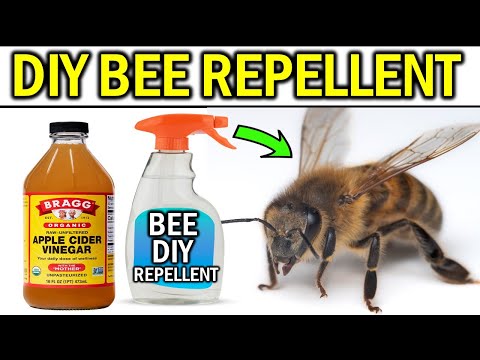
You’ve got a few natural scents that’ll keep bees away without hurting them. These smells either confuse or annoy bees, so they tend to steer clear.
Some oils and spices have strong scents that bees just can’t stand. You can use these around your house or garden to keep bees at a distance.
Peppermint and Peppermint Oil
Peppermint smells sharp and fresh, and bees really don’t like it. Mix a few drops of peppermint oil with water and spray it where bees hang out.
You can also grow peppermint plants near doors or windows. The plant’s strong aroma makes bees think twice about coming close.
Besides keeping bees away, peppermint oil leaves your place smelling clean. Just dab or spray it carefully when you’re outside.
Cinnamon and Cloves
Bees avoid the spicy smell of cinnamon and cloves. Sprinkle ground cinnamon or set out whole cloves where bees gather.
These spices work especially well near patios or picnic spots. The strong oils they give off bother bees.
Since cinnamon and cloves are easy to find, you can just put small bowls of them or use cinnamon sticks around your chair or table.
Citronella, Citronella Oil, and Eucalyptus
Citronella is famous for keeping mosquitoes away, but it also works on bees. Try citronella oil in candles, sprays, or torches outdoors.
Eucalyptus oil works in a similar way. Mix it with water to make a spray, or soak cotton balls in it and set them by your doors or garden.
You’ll get the best results if you refresh citronella or eucalyptus often. Use them on your porch or in the garden to keep bees from crashing your outdoor time.
Other Strong Scents: Garlic, Vinegar, and Vanilla
Garlic’s strong smell turns bees off, though you’ll want to be careful not to overdo it. Crush garlic cloves and put them in your garden.
Vinegar also works—just spray some diluted vinegar near spots where bees are a problem. Don’t spray it right on your plants.
Vanilla can throw bees off, too. Mix a little vanilla extract with water and use it around your outdoor hangout.
Each of these scents gives you a natural way to make bees think twice about visiting, so you can actually enjoy being outside. For more ideas, check out natural bee repellent tips.
Plants, Methods, and Strategies for Keeping Bees Away

There are plenty of plants, natural items, and quick tricks you can use to keep bees from bugging you. These focus on smells and materials bees can’t stand, and you don’t have to hurt any bees in the process.
Peppermint Plants and Marigolds
Peppermint plants work as strong bee repellents. The minty smell confuses bees and keeps them away.
Plant peppermint around your patio or garden edges to cut down on bee visits.
Marigolds help, too. They give off a scent bees avoid, and they brighten up your yard at the same time.
Tip: Try planting peppermint and marigolds together for even better protection. Both are pretty easy to take care of.
Cucumber Peel and Mint
Cucumber peel is a weird one, but it works. Bees don’t like the bitter taste from cucumber skin, so put some fresh peels around your garden or picnic table.
Crushed mint leaves also help. Just crush them to release the oils and scatter them where you want fewer bees.
To try this: Set out cucumber peels or crushed mint in small bowls near doors, tables, or flowers bees love.
Using Mothballs and Homemade Mixes
Mothballs give off a strong smell that bees really can’t stand. Place them near windows or in garden corners where bees gather.
You can also make your own spray by mixing things like cinnamon, vinegar, or citronella oil with water. Lightly spray this around your yard.
Warning: Be careful with sprays and don’t use them directly on your plants. Keep mothballs away from pets and kids, since they’re not safe to eat.
Bee Removal and Beekeeper Solutions
Got a bee hive near your place? It’s usually a smart move to call up a local beekeeper. They’ll come by and move the bees somewhere safe, so nobody gets hurt—including the bees.
Dealing with just a few bees? You might try some gentle tricks to encourage them to leave. Take away food sources and seal up any cracks you spot around your house. That’ll make your place less appealing to them.
Letting a beekeeper handle things means the bees get a safe new home, and you don’t have to worry about them hanging around.


