
Bees don’t just sting out of nowhere. They usually sting when they feel threatened or think their hive’s in danger. So, if you accidentally get too close, mess with their home, or make a sudden move, you might end up with a sting.

Sometimes, the colors you wear or the scents you carry can make bees more interested in you. Bright clothes or strong perfumes tend to catch their attention. Honestly, knowing these little details can really help you avoid getting stung.
What Attracts Bees to Sting You?

Bees tend to sting when they see you as a threat to themselves or their hive. Your actions, the smells around you, the colors you wear, and even the type of bee can all play a role.
Defensive Behavior and Perceived Threats
Bees sting to defend themselves or their home—especially the hive. If you get too close or mess with a hive, they see you as a danger.
Swatting at bees, stepping on them, or grabbing them usually leads to stings. Even quick, jerky movements can set them off.
Honeybees only sting as a last resort since they die afterward. Wasps and hornets, though, can sting again and again without much consequence.
Release of Alarm Pheromones
When a bee stings, it releases an alarm pheromone. This chemical tells other bees nearby to attack, too.
So, one sting can quickly turn into a swarm. The pheromone spreads from the sting spot and makes the group more aggressive.
If you get stung, calmly and slowly walk away instead of flailing your arms or running. It’s not always easy, but it helps.
Colors, Scents, and Movements That Trigger Stings
Bees love bright colors like yellow, blue, and sometimes red. If you wear bright clothing, you might attract more bees.
Strong scents from perfumes, deodorants, or scented lotions also pull them in. Sugary drinks and foods outdoors are like magnets for bees.
Fast or sudden movements can scare them and make them defensive.
Tips to avoid stings:
- Wear light, neutral colors
- Skip strong perfumes or scented stuff
- Keep sugary drinks and food covered outside
- Move slowly and calmly near bees
Types of Bees and Differences in Stinging
Different bees sting in different ways. Honeybees have barbed stingers that get stuck in your skin. When they pull away, the stinger stays in you and the bee dies.
Bumble bees and carpenter bees have smooth stingers, so they can sting more than once.
Africanized honeybees act more aggressively and sting in bigger numbers than regular honeybees. Wasps and hornets aren’t true bees but can sting repeatedly and usually get more aggressive near food or their nests.
Knowing the differences can help you figure out how to act if you run into these bugs.
What Happens When You Are Stung and How to Respond
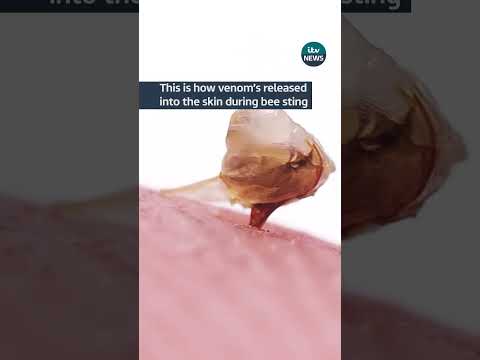
A bee sting hurts, causes swelling, and sometimes leads to more serious reactions. If you know how the venom works and what signs to look for, you can handle the sting more easily.
How Bee Venom Affects the Body
When a bee stings, it injects venom with chemicals like melittin, phospholipase-A, and a-hyaluronidase. These chemicals damage cells and spread toxins, causing pain and swelling.
Your immune system jumps in and reacts. You’ll probably see redness, itching, and swelling around where you got stung.
The pain and discomfort usually peak after a few hours. Honeybees leave their stinger behind, and it keeps releasing venom until you remove it.
To stop the venom, scrape the stinger out with your fingernail or a credit card as soon as you can.
Allergic Reactions and Emergency Care
Some people react badly to bee venom. Allergic reactions can range from mild swelling to anaphylaxis, which is life-threatening.
Signs of anaphylaxis include trouble breathing, swelling in your face or throat, dizziness, and a fast heartbeat. If you know you’re allergic, always carry an epipen and use it right away if you get stung.
Call for emergency medical help right after using it. Even if you’ve never had allergies before, watch for things like hives all over, trouble swallowing, or fainting. Those need quick medical attention.
First Aid and Remedies for Bee Stings
If a bee stings you, get to a safer spot right away so you don’t get stung again.
Carefully pull out the stinger as soon as you can—this helps stop more venom from getting in.
Grab a cold compress or just some ice in a cloth, and press it on the sting for about 10 to 15 minutes. It usually helps with pain and swelling.
Try dabbing on hydrocortisone cream or even calamine lotion. That stuff can really take the edge off the itching and redness.
If itching or swelling seems to get worse, you might want to take an antihistamine. It should help calm your body’s reaction.
Are you a beekeeper or just outside a lot? Stick with light-colored clothes and skip the strong perfumes or scented lotions. It’s a simple thing, but it really can help you avoid getting stung in the first place.


