
So, a bee’s landed on you. It’s normal to feel a little jumpy or even freaked out. But honestly, staying calm is the smartest move here. Try to keep still and skip the quick hand-flapping—bees get nervous when we move fast, and that’s when they might sting.

Most of the time, bees just want to rest or check things out. They don’t have it out for you.
If you know how to gently brush a bee away—without swatting or panicking—you’ll probably avoid trouble and enjoy your time outside.
Let’s be real, knowing what to do if a bee lands on you can totally change a scary moment into something you can handle. A few simple tricks and you’ll be ready for the next bee encounter, no sweat. Want more details? Find out how to stay chill and safe when bees get close at what to do if a bee lands on you.
Immediate Actions When a Bee Lands on You

If a bee picks you as a landing spot, staying chill really helps you avoid getting stung. You’ll want to skip any sudden moves, gently nudge the bee away, and know when it’s time to walk off or get help.
Stay Calm and Avoid Sudden Movements
First off, don’t panic. Bees usually just want to explore or maybe grab a bit of water or sweat. They’re not itching to sting you.
Try taking slow breaths and keep your body as still as you can. Don’t start waving your arms or bolting away—those quick moves can freak the bee out. If you just stay put, there’s a good chance the bee will get bored and leave.
Gently Encourage the Bee to Leave
If the bee decides to hang around, you can softly ask it to go. Use a slow, gentle motion with your hand or maybe a leaf to nudge it off.
Don’t grab or squeeze the bee, though—that’s a fast track to a sting.
Sometimes, blowing gently on the bee works too. If you do these things calmly, the bee usually gets the hint and moves on without getting mad.
When to Move or Seek Help
If the bee just won’t budge, try standing up slowly and walking away from where you are. Still, don’t rush—keep your movements relaxed.
If you get stung or feel swelling, itching, or anything that seems like an allergic reaction, you should get medical help right away. If you’re allergic to bee stings, keep your meds or an epinephrine injector close, just in case.
For more info, check out immediate actions when a bee lands on you.
Understanding Bee Behavior and Types You May Encounter
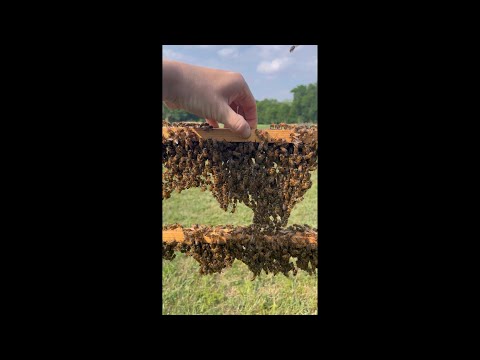
Bees don’t land on you just to sting. Usually, they have simple reasons—maybe they’re thirsty or just curious. If you get why bees land and know which ones are around, it’s way easier to stay calm.
Why Bees Land on People
A bee might land on you because it wants salt from your sweat or maybe it likes your perfume or lotion. Sometimes, they’re just tired and need a break.
Most of the time, bees aren’t planning to sting. If you don’t swat or panic, they’ll move along soon enough.
How Honey Bees, Bumble Bees, and Sweat Bees Differ
Not all bees act the same way. Honey bees are usually gentle, unless you mess with their hive. You’ll see them most often.
Bumble bees look bigger and fuzzier. They move slow and usually mind their own business, unless you bother them.
Sweat bees are tiny and love salty sweat. They rarely sting.
Here’s a quick rundown:
| Bee Type | Size | Behavior Near People | Sting Tendency |
|---|---|---|---|
| Honey Bees | Medium | Calm unless threatened | Sting as defense |
| Bumble Bees | Large, fuzzy | Slow, less aggressive | Sting if provoked |
| Sweat Bees | Small | Attracted to sweat | Rarely sting |
Identifying Non-Aggressive Bees
Most bees don’t act aggressive toward people. If you notice them hovering around or exploring flowers, they’re probably just doing their thing.
Try not to make sudden movements. Bees that land and sit still or move slowly usually aren’t interested in bothering you.
Watch for these signs:
- You don’t hear buzzing that’s angry or super fast.
- They aren’t flying straight at you over and over.
- Their wings aren’t raised, and you don’t see a stinger sticking out.
When you spot these behaviors, it’s honestly easier to relax if a bee stops by. If you’re curious, you can check out more about bee behavior and sting risks.


