
Ever been stung by a honey bee and wondered if it left its stinger behind? Yep, honey bees do leave their stinger in you after they sting. Their stingers have these tiny barbs that get stuck in your skin.

When the stinger stays behind, the bee’s venom sac keeps pumping venom, which can make the pain worse. The honey bee can’t pull its stinger out, so it usually dies after stinging.
Other bees and wasps don’t leave their stingers in you because theirs are smooth and reusable.
Do Honey Bees Leave Their Stinger in You?
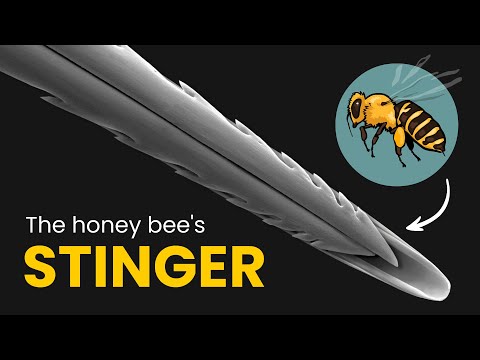
When a honey bee stings, it often leaves its stinger stuck in your skin. That happens because the stinger has a special barbed design, which sets it apart from other stinging insects.
It actually helps to know which bees leave stingers behind and how the stinger works, especially if you ever get stung.
Which Types of Bees Leave a Stinger Behind
Not every bee leaves its stinger behind. Honey bees are the most famous for this. Their stinger has tiny barbs that snag in your skin, so the bee leaves it behind.
Other bees, like bumblebees, and wasps or hornets, have smooth stingers. They can sting you multiple times without losing their stinger.
Quick facts about bees and stingers:
- Honey bees leave their stinger behind
- Bumblebees and wasps don’t
- Only honey bees die shortly after stinging
The stuck stinger keeps releasing venom into your skin even after the bee flies off.
How Honey Bee Stingers Work
A honey bee’s stinger is barbed and connects to venom sacs. When it stings, the barbs hook into your skin so the stinger gets stuck.
As the bee tries to fly away, it leaves the stinger and venom sacs behind. This setup keeps sending venom deeper into your skin for several minutes.
The barbed stinger actually rips the bee’s abdomen, so the bee dies soon after. The venom causes pain, redness, and swelling at the sting spot.
If you remove the stinger quickly, you can cut down on how much venom gets into your skin.
Worker Honey Bees and Sting Behavior
Worker honey bees do the stinging. Their job is to protect the hive, so they only sting if they feel threatened or sense danger near the colony.
Because their stinger is barbed, they lose it and die after stinging. Honey bees usually avoid stinging unless it’s really necessary.
Their self-sacrifice protects the whole hive. If you get stung by a worker honey bee, try to remove the stinger quickly to stop more venom from entering your skin.
Stinger Differences Among Bees, Wasps, and Hornets

You might notice different stinging insects leave different marks or feelings after a sting. That’s because bees, wasps, and hornets have stingers built in their own unique ways.
How their stingers work changes what happens after they sting you.
Barbed Versus Smooth Stingers
Honey bees have barbed stingers. These little hooks make it tough for the stinger to slide out once it’s in your skin.
When a honey bee stings, the barbs get caught and the stinger stays behind. Wasps and hornets, on the other hand, have smooth stingers.
No barbs means they don’t get stuck, so they can sting you again and again. The barbed stinger is the main reason honey bees can’t pull away without leaving it behind.
Wasps and hornets just don’t have this problem, so their stings can be more frequent and, honestly, sometimes more aggressive.
What Happens After a Bee Sting
When a honey bee stings, its stinger stays in your skin, along with a venom sac. That venom sac keeps pumping venom in, even after the bee flies away, making the pain and swelling last longer.
The bee dies after leaving its stinger because the stinger is attached to its insides. If you remove the stinger quickly—and avoid squeezing it—you can help reduce how much venom spreads.
Wasps and hornets just pull their smooth stingers out and can sting you again. Their stings might hurt more at first, but there’s no venom sac left behind to keep the pain going.
Comparison: Honey Bee, Wasp, and Hornet Stings
| Insect Type | Stinger Type | Can Sting Multiple Times? | Stinger Left Behind? | Sting Effects |
|---|---|---|---|---|
| Honey Bee | Barbed | No | Yes | Venom sac pumps venom; lasts longer |
| Wasp | Smooth | Yes | No | Sharp pain, no stinger left |
| Hornet | Smooth (a wasp type) | Yes | No | Strong pain, multiple stings possible |
Hornet stings hit a lot like wasp stings. Both have smooth stingers, so they can sting you again and again without a problem.
Honestly, it’s kind of wild how honey bee stings last longer—they leave their barbed stinger behind, pumping in venom, while wasps and hornets just keep going. If you’re curious about the nitty-gritty differences, you might want to skim through this guide on stinger differences.


