
Bees are way more fascinating than most people realize. They don’t just make honey—they pollinate a huge chunk of the food you eat every day.
Some queen bees can lay up to 3,000 eggs in a single day. That’s honestly wild when you think about how tiny they are.

Did you know bees can actually recognize human faces? They smell with their antennae and even sense electric fields to find flowers.
These skills help them play a huge role in nature and keep plants thriving. If you’ve always thought bees were just simple bugs, their behaviors might totally change your mind.
When you learn some of these wild bee facts, you start to see why they’re so important—and why protecting them matters. Ready for some fun details that might leave you buzzing with curiosity? For even more cool stuff, check out this amazing bee facts collection.
Unbelievable Facts About Bees

Bees have some pretty unique traits. From how they defend themselves to their wild ways of communicating, they show off some impressive skills.
Their eyes, dances, and the sheer size of their colonies all play big roles in their busy lives.
Bee Sting Myths and Realities
Think all bee stings are super painful and dangerous? Not quite.
Only female bees can sting because the stinger’s actually a modified egg-laying tool. When a worker bee stings, she usually dies because her stinger gets stuck.
Bee stings hurt and can swell up, but most bees rarely sting unless they feel threatened. Honeybees release chemicals to warn others and defend the hive.
If you stay calm and don’t swat, you’re way less likely to get stung.
Female Bees and Their Sting
All the bees that sting are female. Worker bees, who are all female, handle most of the work in the hive—like foraging and defending.
The queen can sting too, but she usually saves it for fighting other queens.
Female bee stingers are sharp and barbed, making them tough to pull out. That’s why the bee dies after stinging.
Male bees, called drones, don’t have stingers at all since they don’t defend or gather food. This split in jobs keeps the hive humming along.
Five-Eyed Vision: Bee Eyes
Bees have five eyes. Two big compound eyes help them spot colors and shapes.
These eyes let them find flowers and navigate their world. They can even see ultraviolet light, which humans totally can’t, so they find hidden patterns on flowers.
On top of their heads, bees have three tiny simple eyes called ocelli. These help them sense light and dark, which comes in handy for flying and tracking the sun.
This unique vision helps bees get home after long flights.
The Astonishing Waggle Dance
Bees actually “talk” to each other using a dance—the waggle dance.
When a worker bee finds a great nectar or pollen spot, she comes back and performs this dance.
She moves in a figure-eight shape and waggles her body. The angle points to the sun’s direction, and the length of the waggle tells the distance.
It’s such a clever way for the whole colony to find food together.
Record-Breaking Bee Colonies and Hives
Bee colonies can get massive! Some hives have tens of thousands of bees all working as a team.
During peak season, the queen lays up to 3,000 eggs every single day to keep the colony strong.
You’ll find hives in trees, underground, or in boxes people build. Worker bees make hexagon wax cells to store honey, pollen, and raise baby bees.
The size and health of a hive depend on the queen’s age, the weather, and how much food is around. Strong hives are key for honey and pollinating plants.
Curious about more? Check out these unbelievable bee facts.
Remarkable Contributions and Behaviors of Bees
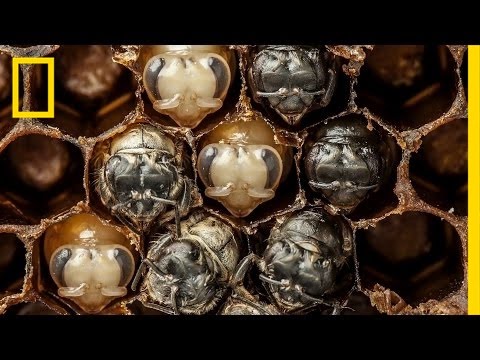
Bees do a ton for nature and for people. They help plants grow, make honey, and live in super-organized groups.
Every bee in the hive has a job that keeps everything running smoothly.
Pollination Wonders and Food Supply
Bee pollination is actually at the heart of your food supply. When bees visit flowers for nectar and pollen, they move pollen from flower to flower.
This lets plants produce fruits, veggies, and seeds.
Without bees, foods like apples, almonds, and berries would be a lot harder to find in stores. Native bees and honeybees both pollinate, but honeybees are especially popular with beekeepers.
Pollinators like bees support about one-third of the food you eat. They help keep ecosystems healthy and boost crop yields, which is huge for farming.
Making Honey: From Nectar to Delight
You probably know honey is sweet, but the way bees make it is honestly pretty cool.
Worker bees collect nectar and bring it back to the hive. There, they pass it from bee to bee, mixing in enzymes.
Then they store the nectar in honeycomb cells. Bees fan the cells with their wings, which evaporates the water and thickens the nectar into honey.
Honey is food for the colony, especially in winter.
Honeybees make different flavors of honey depending on which flowers they visit. When you eat honey, you’re tasting the work of thousands of bees.
Roles of Queen, Worker, and Drone Bees
Every bee in a colony has a specific job.
The queen bee is the biggest and lays all the eggs. She also produces special chemicals called pheromones that keep the hive organized.
Worker bees, all female, do almost everything else. They gather food, build and guard the hive, clean cells, and care for the young.
Drone bees are the males. Their main job is to mate with queens from other colonies.
Drones don’t gather food or work in the hive, and they usually leave before winter.
This teamwork keeps the colony going and shows just how balanced nature can be.
Beeswax and Its Many Uses
Worker bees make beeswax using special glands on their bodies. They chew the wax and shape it into honeycomb cells.
These cells hold honey and protect bee larvae. You’ll spot beeswax in plenty of everyday products—candles, lip balms, and skin creams come to mind.
People like beeswax because it’s natural and feels safe to use. Beekeepers gather beeswax with care, always trying to keep the hive healthy.
Beeswax gives the hive a strong but flexible structure. Honestly, it’s kind of amazing how bees create something that helps both them and us.
If you’re curious about how bees shape the world around them, check out this article on remarkable bee behaviors.


