
If you spot bees near your home or garden, you might wonder, will they just leave on their own? Actually, yeah, sometimes bees do move on if things change.
Maybe there’s not enough food or water, or it just gets too cold. Bees will also leave if their hive gets too crowded and they need to find a new place.

Sometimes you’ll see a swarm of bees hanging out on a tree. They’re usually just stopping for a bit, waiting while their scout bees check out new spots.
If the scouts don’t find anywhere good, the swarm might stick around longer than you’d like. At that point, you might have to step in.
Understanding why bees leave can help you figure out what to do. It’s actually kind of fascinating to watch their behavior—and honestly, it’s usually fine to just give them space and let them do their thing. If you want more details, check out when bees leave their hives on their own.
Will Bees Go Away On Their Own?

Bees will leave if something’s off, but if they find what they need, they’ll stick around. Knowing when and why bees move can help you decide if you should wait them out or do something about it.
Food, temperature, and the size of the hive all play a part.
When Bees Might Leave Naturally
Bees usually take off if they can’t find enough food or water. If there’s no pollen or nectar, they’ll fly off to search for a better spot.
Cold weather can push them out too, making them look for somewhere warmer.
Overcrowding is another big reason. When a hive gets packed, some bees split off and swarm to start a new home.
These moves depend on what’s going on around them and the time of year.
Why Bee Swarms Behave Differently
A swarm is just a big group of bees that leaves their old hive to find a new one. Swarms don’t plan to stay—usually, they hang out in the open for a few hours or maybe a day.
Scout bees go out and look for a good place to live. While they’re searching, the rest of the swarm just clusters somewhere, like on a tree branch.
Once the scouts pick a spot, the whole swarm moves. If they can’t find anywhere safe, they’ll keep looking, so you might see them hanging around for a while. If you’re curious, check out Bees Swarming a Tree.
How Long Bees Usually Stay
How long bees stick around depends on whether they’re swarming or living in a hive. Swarms usually stay put for just 1 to 24 hours while searching for a new home.
They don’t build a hive at these temporary stops.
Bees in established hives will stay as long as they have what they need. If they get enough food, water, and space, they’re not going anywhere.
But if something messes up their setup, they might leave quickly or just slowly abandon the hive.
Signs Bees Are Settling In
If bees decide to settle in, you’ll notice more activity. They’ll make more foraging trips, collecting nectar and pollen.
Inside the hive, bees cluster around the queen and keep things warm by shivering their wing muscles.
A growing hive, new honeycomb, and fresh brood mean the bees feel at home. When the colony feels safe and comfortable, it’s not likely to leave or swarm.
You can usually spot this if the bees seem calm and organized.
What To Do If Bees Don’t Leave
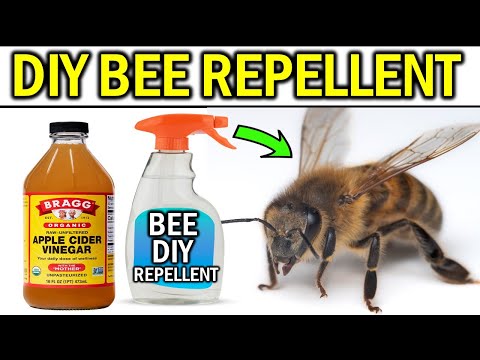
If bees just won’t leave, you’ve got a few safe options. Removing bees carefully protects you and the bees.
You can try natural methods or get help from an expert. Once you move them, it’s important to keep them from coming back.
Safe Bee Removal Options
If you want to get rid of bees without hurting them, try natural repellents like citronella, cinnamon, mothballs, or vinegar. These scents usually make bees want to move elsewhere.
Put them around the hive area, but try not to bother the bees directly.
Seal up any cracks or holes where bees could get into your home or property. That way, new bees can’t move in.
You can also call a professional to relocate the hive. Skip the harsh pesticides—they’ll kill bees and hurt the environment.
Safe removal lets bees keep pollinating and making honey somewhere else.
When To Call A Beekeeper
If the hive is big or in a tough spot, it’s probably best to call a beekeeper. Beekeepers know how to move bees safely and give them a better home.
They can even re-queen the colony if it helps the bees start fresh. Letting professionals handle it means less risk for you and your property.
If anyone nearby has bee allergies, definitely let the beekeeper handle it. That’s just safer for everyone.
Preventing Bees From Returning
Once bees leave, you probably want to make sure they don’t come back. Start by cleaning the area to get rid of all those hive smells.
Bees rely on scent to find their old home, so scrubbing away any traces makes it harder for them to return.
You might want to plant some bee-repelling plants like mint or eucalyptus nearby. That extra step can really help.
Seal up any openings around your home or garden. This way, new colonies won’t have a way in.
Check your property regularly. Spotting early signs of new hives is way easier than dealing with a big swarm later.


