
Ever wondered if bees can actually sense when you’re scared? A lot of people think bees can smell fear, but that’s not quite right. Bees don’t sniff out fear itself, but they do notice certain chemicals your body gives off when you’re anxious or stressed. Those signals can make bees act a bit more defensively around you.
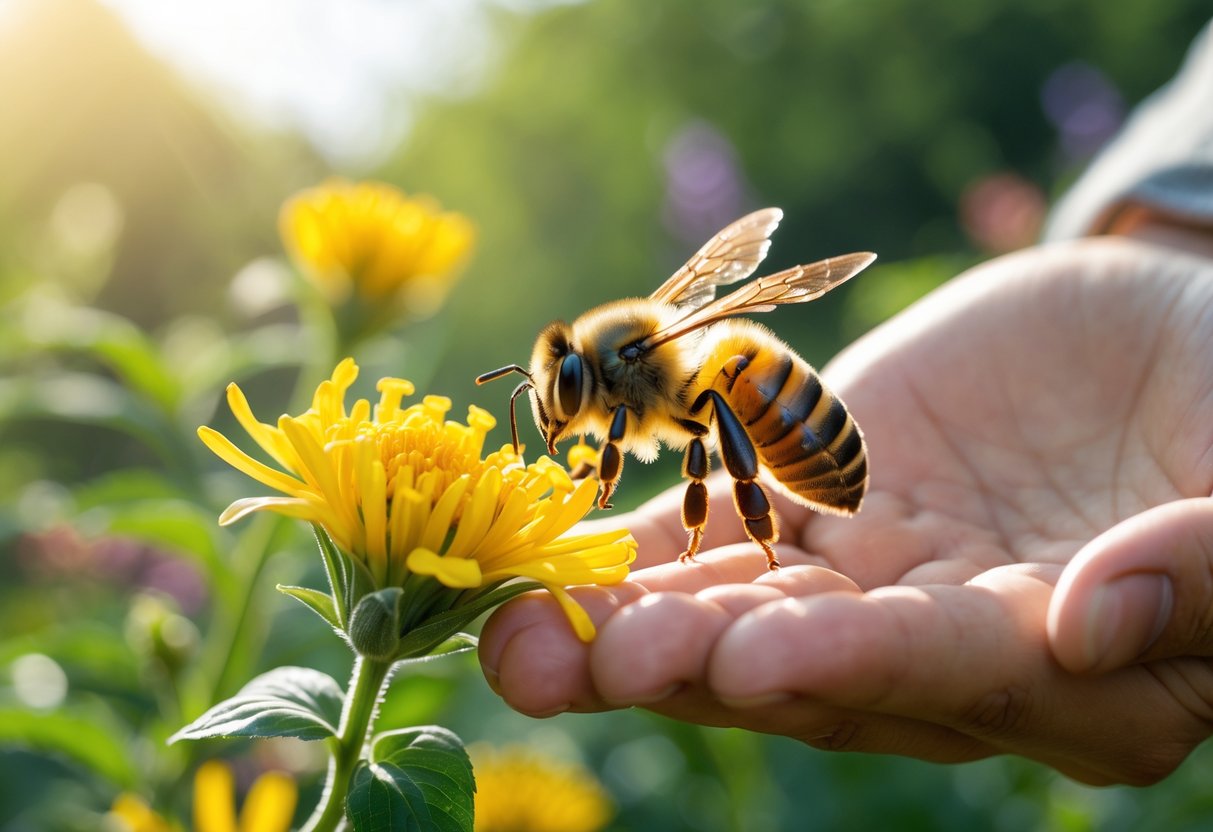
When you’re afraid, your body releases alarm pheromones and your breathing or movement changes. Bees pick up on these things.
That’s why they sometimes react more strongly if you’re nervous or moving fast. If you understand this, you can stay calmer and avoid upsetting them.
How Do Bees Sense Fear in Humans?

Bees use their senses to pick up on signals from your body when you feel scared or stressed. They notice smells, movements, and even changes in how you breathe.
Your body makes special chemicals that tell bees something might be off. Bees sense these changes and react to what they notice.
Bee Senses and Human Emotions
Bees rely a lot on their sense of smell to figure out what’s happening around them. If you’re nervous or frightened, your body lets out certain smells through sweat and breath.
Bees can’t detect fear itself, but they can pick up on those odors. If your breathing gets quick and shallow, you release more carbon dioxide.
Bees notice that, along with the chemicals in your sweat. These changes can warn them that something’s not right near their hive.
Bees have strong smelling abilities, so they notice when your emotions shift. Their reactions usually reflect your body’s stress signals, not your actual feelings.
Chemical Signals and Pheromones
When you feel scared, your body makes chemicals called alarm pheromones. These are different from your normal scent.
Bees are really sensitive to these pheromones and recognize them as danger signals. Honeybees also put out their own alarm pheromones if they sense a threat.
If they pick up fear pheromones from you, they might get defensive to protect their hive. Here’s how it goes:
- Your body gives off fear-related pheromones.
- Bees notice these pheromones and get alert.
- They might release their own alarm pheromones.
This chemical back-and-forth is how bees sense and react to your fear.
Bees’ Reactions to Human Behavior
Bees watch how you move. If you move quickly or suddenly, they might see you as a threat.
Nervousness often leads to those kinds of movements, making bees more likely to sting. Your body heat rises when you’re scared, and bees can sense that too.
If you stay calm and move slowly, bees usually won’t feel as threatened. Keeping steady helps prevent aggressive reactions.
Knowing these signals can help you avoid triggering defensive bees.
Bee Communication and Defensive Responses

Bees use different signals to share information and keep their hive safe. If they feel threatened, they release chemical signals that warn other bees.
How you move and act around them really affects their reaction, and your chances of avoiding a sting.
Alarm Pheromone and Hive Defense
Bees release an alarm pheromone when something feels off. This chemical tells nearby bees to get ready for defense.
The smell is strong and spreads quickly, which can trigger aggressive behavior. If you disturb a hive, that pheromone makes bees defensive.
They might pour out in big numbers and defend the hive by stinging. Each sting lets out more pheromone, drawing even more bees into the action.
Bees react more to signals from their group than to you as a person. This defense system keeps them and the hive safe.
You can read more about the alarm pheromone and hive defense at bee communication and alarm signals.
Influence of Human Actions on Bees
Your movements and body language play a big role in how bees respond. Quick or jerky motions can look like danger to them.
Even sweating or changes in your scent when you’re nervous can tip them off. Bees pay attention to calm, steady behavior.
If you move slowly and avoid sudden actions, they’re less likely to see you as a threat. This lowers the chance they’ll sting.
Bees use the waggle dance to share food locations, but they’re also on the lookout for danger. When people react with fear or stress, bees often get more defensive.
Knowing how your actions affect bees can help you stay safe.
Tips to Stay Calm Around Bees
Honestly, staying calm helps you avoid bee stings. Here are a few things you can try:
- Move slowly. Try not to make any sudden gestures.
- Keep quiet, and maybe skip the loud noises.
- Go for light-colored clothes if you can.
- Don’t use strong perfumes or scents—they really attract bees.
- If a bee lands on you, just gently blow it away. Swatting usually makes things worse.
When you keep your cool and respect the bees, you let them focus on pollinating. Bees play a huge role in pollinating plants, so giving them space helps everyone out—yourself included.


