
If you’ve spotted bees buzzing around your place, they’re probably after flowers, water, or safe spots to hang out or build a nest.
Bees mainly show up at your home because they find food, water, and easy ways to slip in through tiny cracks or gaps. Bright colors, blooming flowers, and even the smell of fruit or garbage can totally catch their attention.

It helps to know why bees show up in the first place.
Maybe your garden’s packed with flowers, or there are little cracks in the walls—either way, those things make your place pretty inviting to bees.
If you know what draws them in, you can decide if you want to keep them around safely or just avoid too much buzzing.
Want to know more about what attracts bees and what you can do about it? Stick around for some simple tips and facts.
What Attracts Bees Around Your House?

Bees come to your home when they find what they need close by.
They’re on the lookout for food, water, and safe spots to rest or build nests.
Your plants, water sources, and even some smells might attract them without you realizing it.
Flowers and Nectar-Rich Plants
Bees love flowers that offer lots of nectar and pollen.
Plants like lavender, sunflowers, rosemary, thyme, and marigolds attract them the most.
If you’ve got these or other pollinating plants in your garden, you’ll see bees visiting all the time.
Colorful and fragrant flowers really stand out to bees.
The more flowers you plant—especially native or wild types—the more bees you’ll notice.
If you’re hoping to see fewer bees, try planting fewer flowers or switch to herbs and veggies that don’t make nectar.
Water Sources Near the Home
Bees need water to survive.
They search for places like bird baths, fountains, ponds, or even puddles around your yard.
Even small bits of standing water can bring them in.
If water gathers near your house, bees will keep coming back to drink or cool off their hives.
To cut down on bee visits, don’t leave out water or uncovered containers.
Sweet Substances and Food Waste
Bees can’t resist sweet smells and tastes.
Spilled fruit juice, soda, or sugary drinks will bring them right to your door.
Uncovered garbage and pet food also draw bees looking for a snack.
Clean up leftovers, seal trash bins, and wipe up spills to help keep bees away.
Shelter and Nesting Opportunities
Bees need quiet, safe places to build nests.
Gaps in walls, chimneys, attics, or under porches make perfect spots for them.
If your home has easy entry points, bees might settle in and start a colony.
Check for gaps and seal them up to keep bee activity lower around your house.
For more info, check out friendly tips to keep bees close.
Tips for Reducing Bee Activity at Home
You can cut down on bee visits by tweaking your yard and home a bit.
Focus on removing things that attract bees, stick to natural methods, and find safe ways to keep them away without hurting them.
Removing Common Bee Attractants
Bees love bright flowers and water.
Try not to plant colorful or strongly scented flowers near doors and windows.
Grow non-flowering plants like herbs or veggies in those spots instead.
Keep outdoor water sources clean and dry when you can.
Standing water, birdbaths, and leaks will lure bees in, so fix leaks and empty water daily.
Check your home for cracks, gaps, or holes—especially near vents, chimneys, and walls.
Bees can get inside and start nests in those spots.
Seal openings with caulk or foam to keep them out.
Natural Ways to Keep Bees Away
Some plants and scents actually keep bees away.
Lemongrass, mint, and eucalyptus have smells bees don’t like.
Try planting these around your house or use their essential oils.
Dab a few drops near doors, windows, or outdoor seating areas.
Also, skip perfumes, bright clothes, and sugary drinks when you’re outside.
Those things attract bees and can make them more active around you.
Safer Alternatives to Repel Bees
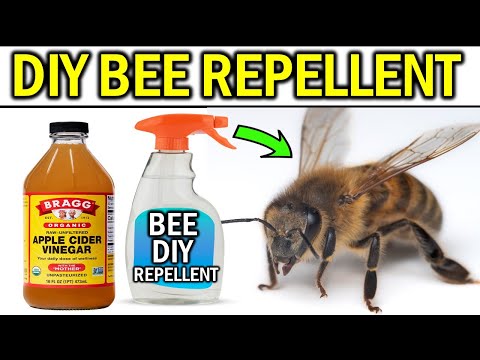
Instead of killing bees, try gentle repellents to nudge them along. Just mix a bit of dish soap with water and spray it where you see bees hanging out.
This mix messes with their scent trails, but honestly, it won’t hurt the bees. You might also want to set up a homemade trap, or use a light to steer bees away from your place.
Got a big nest nearby? It’s probably best to call in the pros. They’ll move the bees safely, so you don’t get stung and the colony stays safe.


