
Bees naturally go where they can find food, water, and safe places to rest or build nests. If you spot bees buzzing around your house, they probably found flowers, water, or little gaps to sneak inside.
That’s just how it goes—your home or yard becomes a pretty tempting spot for them.

You might notice bees hovering near bright flowers, fruit trees, or even open trash bins. Cracks in your walls or chimneys can let bees slip into cozy nesting spots.
When you know why bees show up, you can figure out how to keep them close in a safe way—or maybe keep them away if you’d rather.
Curious about what draws bees in and how to manage them? Let’s dive into some tips and facts.
Main Reasons Bees Are Attracted to Your House

Bees come to your home for a few clear reasons. They need food—nectar and pollen—plus water, sweet leftovers, and safe spots for nests.
When you know what they’re after, it’s easier to spot why they might hang around your place.
Flowers, Nectar, and Flowering Plants
Bees love flowers because they collect nectar and pollen for food. If you’ve got lavender, sunflowers, marigolds, rosemary, thyme, or lemongrass growing, expect more bees.
These plants give bees the nectar they need for honey and pollen for protein. Pollinating plants are like magnets for bees, especially when they’re in bloom.
Bright, colorful flowers seem to pull in even more bees. If you plant different flowers that bloom at different times, you’ll see bees sticking around your yard for longer stretches.
Water Sources and Standing Water
Bees need water to drink and to cool their hives. Bird baths, ponds, fountains, and even little puddles can bring them in.
Water helps bees keep their hive cool and stay hydrated. Even a small amount of stagnant water can pull bees close.
Try to keep water sources clean and fresh if you want fewer bees. Don’t let water collect in empty pots or gutters.
Sweet Substances and Food Waste
Bees go after sugary drinks like soda or fruit juice. If you leave these out, or if your garbage has sweet food scraps, bees will find them.
Outdoor trash bins or compost piles with food waste attract bees too. They’re just looking for an easy sugar fix.
To cut down on visits, cover your drinks and keep trash bins sealed tight. Clean up spills fast and don’t leave fruit or sweet foods sitting out.
Shelter, Attics, and Potential Nesting Sites
Bees search for warm, safe places to build nests. Small gaps in walls, vents, chimneys, and attics can seem perfect for a hive.
Exposed wood, cracks, or hidden corners offer shelter from weather and predators. If bees find a good spot, they might stick around and start a colony.
Seal up holes and cover vents with screens to keep bees out. Watch for more bee activity near your roof or the edges of your house.
How to Reduce Bee Attraction Around Your Home
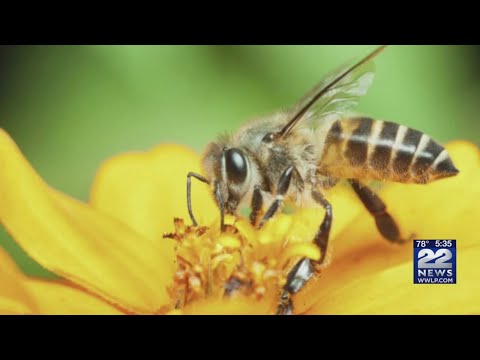
You can make your home less appealing to bees by changing what attracts them. Tweak your plant choices, remove food and water sources, block off entry points, and try out some natural deterrents.
Managing Plants and Flower Choices
Bees go wild for flowers, gathering nectar and pollen. If you want fewer bees, don’t plant bright flowers—like yellow, blue, or purple—right by doors and windows.
Pick plants that bees don’t care much for, like marigolds or geraniums. Keep your flowering plants trimmed so they don’t get overgrown, since thick shrubs can be a comfy rest stop.
Don’t put clusters of flowers close to your house if you want to limit bee visits. If you’re into supporting pollinators, just plant your garden farther from the house.
Eliminating Water and Food Attractants
Bees hunt for water and food just as much as flowers. Birdbaths, clogged gutters, or pet bowls with water can pull bees in.
Empty or clean these spots regularly. Bees also love trash, overripe fruit, and sugary drinks left outside.
Keep garbage bins tightly closed and pick up fallen fruit quickly. Don’t leave sweet drinks outside, especially when it’s warm, if you want to avoid a bee problem.
Sealing Entry Points and Removing Nesting Sites
Bees can squeeze in through cracks, vents, gaps, or chimneys. Walk around your house and seal up openings with caulk or weather stripping to keep them out.
Check for nests under eaves, in wall spaces, or in bushes. If you spot a nest early, remove it to stop a bigger issue.
If bees get indoors, it’s usually best to call a pro for removal—no one wants to get stung or mess up their house.
Natural Bee Deterrents and Repellents
You can actually keep bees away without hurting them by using a few natural tricks.
Certain smells—like cucumber peels, citronella, or even peppermint oil—tend to make bees think twice before coming closer.
Try spraying some diluted essential oils near entry points or spots where you usually see bees hanging around.
Also, keep things tidy outside.
Pick up leaves, grass clippings, and old wood since bees sometimes look for those places to nest.
Skip the harsh pesticides; those can really mess with helpful pollinators.
With these simple steps, you can nudge bees away from your home without doing them any harm.
If you want more details, check out this article on how to keep bees away.


