
So, you got stung by a bee and now you’re wondering—how long does that venom actually stick around in your body? Most of the time, bee venom clears out within a few days. Symptoms like swelling or redness might hang on for a week, sometimes even longer, depending on how your body handles it.
Your immune system and the amount of venom you got play a big role in how long you feel the effects.

Your body jumps into action right away, breaking down and flushing out the venom. Some people just react more than others, though, and their symptoms stick around longer.
If you know what to expect, you can take better care of yourself after a sting. It also helps you spot when it’s time to get help.
How Long Bee Venom Stays in Your System
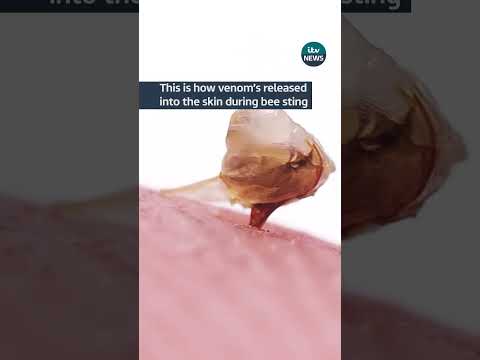
When a bee stings you, it injects venom under your skin. Right away, your body starts trying to break down and remove those toxins.
The length of time venom lingers depends on your immune response and how much venom you got. Pain, swelling, and redness usually show up fast, but some of those symptoms can last for days.
Venom Breakdown and Elimination Timeline
Bee venom’s main troublemakers are toxins like melittin and phospholipase A2, which cause pain and swelling. Your body begins breaking these down almost immediately.
Within a few hours, your white blood cells go after the venom to neutralize it.
Usually, your body clears out the physical venom in 1 to 3 days. During this window, it repairs the tissue damage from the sting.
Sometimes, mild swelling or redness hangs around for up to a week while your immune system finishes healing.
Factors Affecting Venom Duration
A few things change how long venom sticks around. If you get a bigger dose, your body takes longer to clear it.
Where you got stung matters too. Areas with thinner skin or more blood flow might process venom faster.
Your immune system’s strength and sensitivity make a difference. People with allergies or weaker immune systems can have longer or stronger reactions.
Age, health problems, and getting stung more than once can also change how your body deals with venom each time.
Symptoms as Venom Clears
You’ll probably notice pain, redness, swelling, and itching right away. These symptoms hit pretty quickly and usually peak within a few hours.
As your body breaks down the venom, pain and swelling start to fade.
Some folks get delayed reactions—like a rash or extra swelling—a few days later. That’s just your immune system cleaning up the last bits of venom and damaged tissue.
If symptoms last more than a week or get worse, it’s a good idea to talk to a doctor.
For more details on how bee venom moves through your body, check out this venom clearance guide.
Bee Venom Components and Body Reactions

When a bee stings you, it shoots a mix of active substances into your skin. These cause pain, swelling, and sometimes more serious issues.
How your body reacts depends on how these toxins interact with your immune system.
Melittin, Phospholipase A2, and Other Key Toxins
The main player in bee venom is melittin—it makes up about half of the venom. Melittin damages cell membranes, which causes pain and swelling right where you got stung.
Phospholipase A2 is another important toxin. This enzyme breaks down cell membranes and triggers inflammation, making it easier for other venom parts to spread.
Hyaluronidase helps out by breaking down tissues, so the venom can move through your body faster.
Other stuff in the venom, like amines, causes redness and itching. Apamin messes with nerve signals, which can make the pain worse.
All these toxins work together to give you that classic bee sting reaction.
Allergic and Severe Reactions
Most people get off with mild discomfort—pain, swelling, redness, maybe a small rash. That’s called a local reaction.
Sometimes, you might see hives or a bigger rash, which means your immune system is getting more involved.
If you have an allergy, though, your body can go overboard. You might get anaphylaxis, which is life-threatening and needs immediate treatment with an EpiPen or emergency care.
Watch out for trouble breathing, throat swelling, or signs of shock.
Allergic reactions happen because your immune system treats the venom like a serious threat. It releases chemicals that cause these strong symptoms.
Long-Term and Delayed Effects
Sometimes, a reaction to bee venom just hangs around for days—or even a week. You might notice joint pain, a fever, or symptoms that feel a lot like serum sickness.
Your immune system keeps reacting, even after the venom’s already out of your system. Honestly, that’s pretty frustrating.
Researchers have also looked into bee venom’s effects on diseases like multiple sclerosis and rheumatoid arthritis. In these situations, it can mess with your immune system in new ways, but that usually happens well after the first sting.
Delayed reactions? They might pop up days or weeks later, though that’s not super common. Still, it’s smart to watch out for any new or worsening symptoms after you’ve been stung.


