
Bees might look pretty fearless as they dart from flower to flower, but honestly, plenty of things freak them out. Sudden movements, loud noises, certain smells like citronella or lavender, and bold colors can all make bees nervous. When they pick up on these, they’ll either buzz off or get defensive.
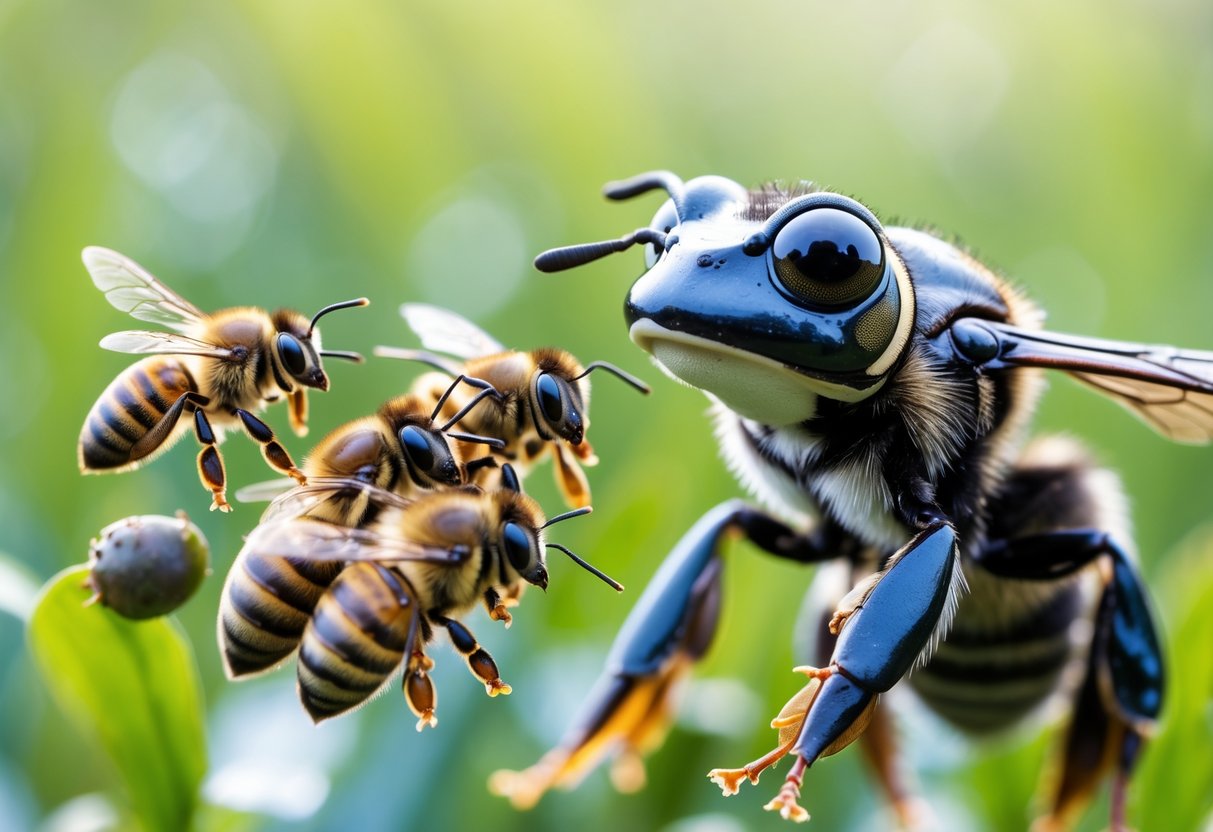
If you want to stay chill around bees, it helps to know what sets them on edge. Understanding their fears can save you from a sting and let them get on with their business.
Fears and Threats: What Are Bees Afraid Of?

Bees react fast to anything that might hurt them or the hive. Their list of fears includes certain animals, strong scents, and even some colors.
If you know these triggers, you can avoid upsetting bees and lower your chances of a sting.
Natural Predators and Environmental Dangers
Bees try to steer clear of animals that could attack them or their hive. Birds like bee-eaters and mammals such as bears go after honey, larvae, or even the bees themselves.
Big, fast-moving creatures—think people or pets—can make bees uneasy if they get too close or act wild.
Windy or rainy weather also throws bees off. Flying and working get tough in bad weather.
When a threat comes close, honey bees defend their hive by stinging. If you move slowly and stay calm, you’ll seem less threatening.
Smells and Substances Bees Avoid
Bees have an amazing sense of smell. They hate strong chemical odors—stuff like smoke, pesticides, and perfumes.
Beekeepers use smoke to calm bees because it covers up alarm pheromones. On the other hand, harsh smells from cleaning products or insecticides stress bees out and usually make them leave.
Pesticides are extra dangerous for bees. These poisons not only scare bees off but can kill them.
If you want to help bees, skip the chemicals near flowers. Scents from citronella or eucalyptus naturally keep bees away, so you’ll see fewer bees near those plants.
Colors, Plants, and Objects That Repel Bees
Bees usually avoid dark colors like black or navy. They seem to connect those shades with danger.
Wearing light or bright colors makes you look less scary to them. Some plants, like garlic or eucalyptus, naturally repel bees, so you probably won’t see many bees hanging around them.
Quick, unpredictable movements startle bees. If you wave your arms or run, you could get stung.
Try to move slowly and steadily when you’re near bees. It really does make a difference.
| What Bees Avoid | Why They Avoid It |
|---|---|
| Natural predators | Threat to hive and safety |
| Strong chemical smells | Stress and alarm pheromones |
| Dark colors | Associated with threats |
| Pesticides | Poison and danger |
| Certain plants (e.g., eucalyptus, garlic) | Natural repellents |
Can Bees Sense Fear in Humans?

Bees don’t really sense fear the way we might think. Instead, they react to physical signals from your body.
If you’re scared or stressed, your body changes in ways bees can notice. Sometimes, that makes bees more defensive.
Understanding Bee Perception
Bees can’t feel emotions like humans do. They just notice changes in how you act, like fast breathing or jerky movements.
When you’re anxious, your body releases certain chemicals. Bees can pick up on those with their super-sensitive noses.
Honey bees use their senses—especially smell—to figure out what’s happening around them. They notice when your body signals stress or fear.
But they don’t actually “smell fear” because fear itself doesn’t have a scent.
Chemical Signals and Pheromones
When you’re scared, your body gives off chemicals called pheromones. You’ll find these in sweat and other body fluids.
Bees can detect pheromones tied to stress or alarm. Their strong sense of smell helps them pick up on these signals.
If bees sense those pheromones, they get more alert. Sometimes, they act defensively because they think there’s danger.
In a hive, one bee’s warning can set off the whole group.
| What Bees Detect | Source | Effect on Bees |
|---|---|---|
| Pheromones | Stress or fear signals | Defensive behavior |
| Rapid movements | Body language cues | Increased alertness |
| Changes in breath | Increased CO2 levels | Perceived threat |
When and Why Bees May Attack People
Bees usually only attack when they want to protect themselves or their hive.
If you move quickly or your body gives off certain pheromones, bees might sting to defend their home. They don’t really “fear” you—it’s more about seeing you as a threat.
Try to stay calm and avoid sudden movements; bees tend to leave you alone if you do. Smoke can help too. It calms honey bees, making them think their hive’s in danger, so they get distracted and less likely to attack.
Understanding what sets bees off can help you steer clear of stings. If you’re curious about how bees pick up on human signals, check out this detailed explanation on how bees sense fear in humans.


