
Ever get stung by a bee? You might wonder what happens to that bee afterward. Honeybees usually die not long after they sting you, since their stinger gets stuck in your skin and fatally injures them. But here’s the thing—not all bees meet the same fate. Many types can sting again and again and just fly off like nothing happened.
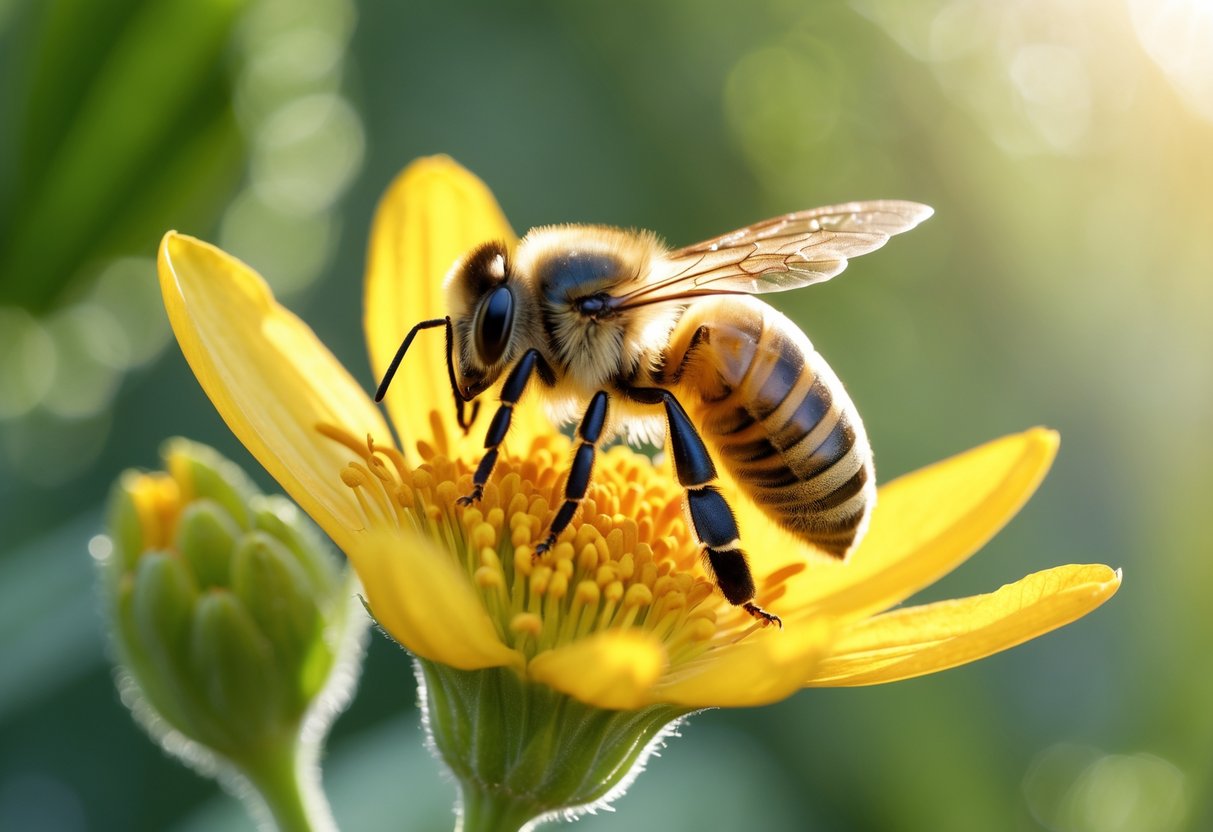
Only honeybees have this one-shot sting that ends their life. Other bees, wasps, and hornets? They can sting repeatedly and keep going. Knowing these differences helps you understand how these insects defend themselves.
How Long Does a Bee Live After It Stings?

When a honeybee stings, things move fast. The bee uses its barbed stinger to inject venom as a defense.
Let’s look at what happens right after a sting, how long the bee lasts, and why honeybees die after stinging mammals.
What Happens to the Bee Immediately After Stinging
When you get stung, the bee’s barbed stinger lodges in your skin. That barbed shape makes it almost impossible for the bee to pull it back out.
The stinger stays behind and keeps pumping bee venom into your skin.
As the bee tries to fly away, it tears off part of its abdomen, along with the venom sac and some muscles. That’s a brutal injury for such a small creature.
At the same time, the stinger releases an alarm pheromone. This scent tells other bees nearby to join the attack, ramping up the hive’s defense.
Timeline of Survival After Stinging
Once the honeybee loses its stinger and part of its abdomen, it doesn’t have long. The bee usually survives just a few hours.
The injury causes fluid loss and internal damage, so the bee can’t make it much longer. Even so, its sacrifice helps protect the hive.
Other bees and wasps have smooth stingers. They sting, pull out their stinger, and fly off without harm.
Why Honey Bees Die After Stinging Mammals
Honeybees die after stinging mammals because our skin is thick enough to trap their barbed stinger. The stinger gets stuck and, when the bee pulls away, it rips out vital parts of its body.
If the bee stings an insect with softer skin, the barbs don’t get stuck. The bee can sting and survive.
This sacrifice protects the hive. The bee gives up its life to defend the colony.
You can dig deeper into why honeybees die after stinging mammals at this explanation on PBS.
Factors Influencing Bee Survival After Stinging
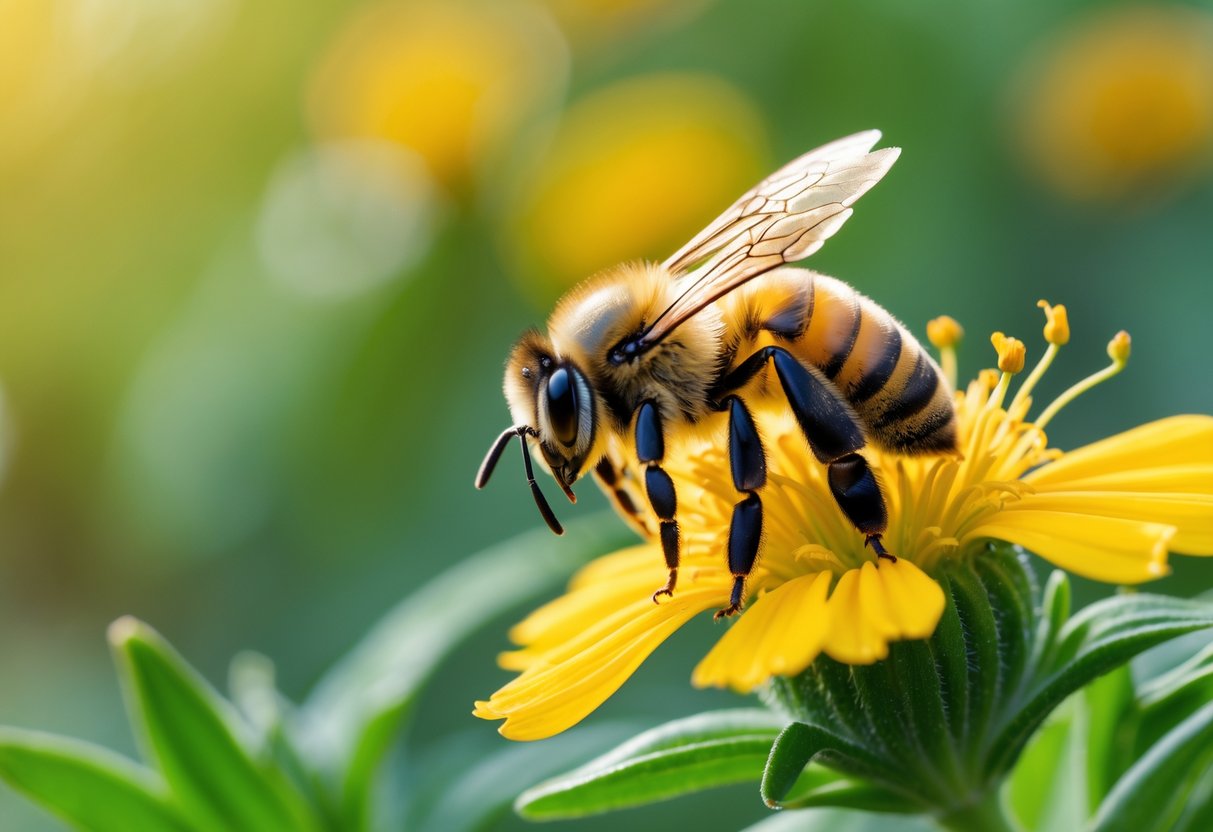
How long a bee lives after stinging depends on its species and the design of its stinger. It’s interesting to see why some bees die after stinging while others just carry on.
Differences Among Bee Species and Stinger Types
Most bees don’t die after stinging because their stingers are smooth. When they sting, they can pull out the stinger and fly away unharmed.
Honey bees are different. Their barbed stinger gets stuck in your skin, and when they try to leave, part of their abdomen tears away. That’s why they die soon after.
Almost all bee species—about 99.96%—survive stinging because their stingers don’t have those barbs. It’s good to know which bees you’re dealing with if you’re worried about stings.
The Role of Bee Anatomy in Survival
A bee’s stinger shape really matters. A barbed stinger hooks into the skin, which is why honey bees lose it and die.
Bees with smooth stingers can sting and then pull the stinger out. They don’t suffer the same injuries and can live for hours or days after stinging.
If you take a close look at bees, you’ll notice their stingers evolved for different reasons—some for a one-time defense, others for repeated attacks without dying. That’s something to keep in mind if you ever run into a swarm.
Impact on Colony and Beekeeping Practices
When a honey bee stings, it dies, and that loss really impacts the hive. Each worker matters, so losing even a few can weaken the whole colony. Beekeepers usually handle their bees gently, trying to avoid too many stings—and, honestly, unnecessary bee deaths.
Most other bee species don’t die after they sting, which changes how people manage them. If you know which bees die after stinging, you can make smarter choices about how you protect yourself and how you care for your hives.
Beekeepers pay close attention to bee stinger types. It helps them figure out how to remove stingers safely, pick the right gear, and handle bees without stressing the colony out. At the end of the day, it’s about keeping both yourself and your bees as safe as possible.


