
Thinking about keeping bees near your home? One of the first things you’ll probably wonder is how close you can safely put a beehive to your house. It matters—a lot—since you want both your family and the bees to stay happy and safe.
Ideally, set your beehive at least 10 feet from your house. That way, bees won’t buzz right by your windows, and you’ll avoid those surprise encounters.

This bit of distance helps keep everyone comfortable. You’ll still be able to check on your hive without much trouble.
Giving bees some room lets them fly freely. They won’t feel boxed in, which actually makes them less grumpy.
Picking the right spot for your hive just makes beekeeping smoother. You’ll have more fun, and so will the bees.
Curious about what else to consider when placing your hive? Keep reading for real-world tips and advice to help you get started with backyard beekeeping.
You’ll find what you need to know about putting a hive near your home.
How Close to a House Can You Have a Beehive?
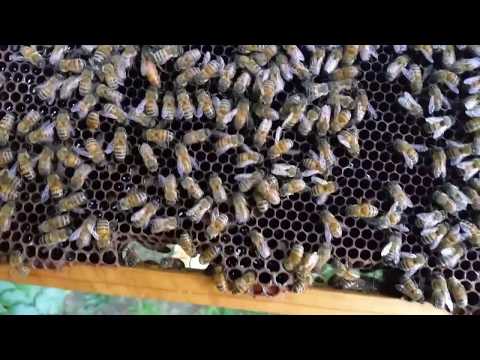
When you set up a beehive near your house, you’ve got to balance safety and convenience. You want it close enough for easy checks, but not so close that bees bother your family or neighbors.
Bee behavior and their environment play a big role in finding the sweet spot for your hive.
Minimum Recommended Distances
A solid rule: keep your hive at least 10 feet away from your house. That cuts down on bees wandering into living spaces or busy spots.
Some folks recommend even more space—25 to 50 feet—especially if your bees act a bit feisty. More distance means fewer accidental stings near the house.
If your yard’s on the small side, try using fences or thick plants to guide bees away from doors and windows. Barriers like these help steer their flight path safely, even if you can’t give them a huge gap.
Considering Bee Behavior and Temperament
Bee colonies can have very different personalities. Some are chill and rarely sting, while others get defensive fast.
Watch how your bees act when you inspect the hive. If they seem cranky, giving them extra room is a good idea.
Bees need a clear flight path, too. Don’t stick the hive where tree branches or walls block their way out.
That just confuses them and can make them more aggressive.
Use your beekeeping gear—things like entrance reducers and a smoker—to help keep bees calm around the house.
Factors That Influence Hive Placement
A few things really shape where you should put your beehive.
- Garden size: Small yard? You’ll need to get creative with hive spots.
- Neighbor proximity: Think about how close your neighbors are and check the local rules for keeping bees.
- Sunlight: Bees love catching morning sun to warm up the hive.
- Wind protection: Pick a spot that’s sheltered. It helps your bees stay healthy.
Make sure you can reach the hive easily. Keep your smoker, hive tool, and suits nearby, but not right in the bees’ flight path.
This setup keeps things running smoothly for both you and your bees.
For more details on safe hive distances, check out how far from a house a beehive really should be.
Safety, Regulations, and Environmental Considerations

When you set up a beehive near your home, you’ve got to think about safety rules, your neighbors, and how bees will fly around the yard. Taking a little time to plan will keep everyone safer and make your beekeeping life easier.
Local Ordinances and Beehive Setbacks
Most towns and cities have rules about how far hives need to be from buildings or property lines. These laws usually ask you to place hives at least 10 to 50 feet away from homes or sidewalks.
Check with your local zoning office before you pick a spot. Sometimes you’ll need a permit, especially if you want more than one hive.
If you ignore these rules, you could get fined or have to move your hives. Knowing what’s allowed keeps you and your bees out of trouble.
Protecting Children, Pets, and Neighbors
Bees can sting, so you want to keep your hive away from kids, pets, and neighbors. The best spot is somewhere quiet and low-traffic, where people won’t accidentally bump into the bees.
Block direct paths between the hive and busy walkways with fences or shrubs. This makes bees fly higher, right over where kids and pets play.
Try to manage the hive gently and pick calm weather for inspections. That way, bees stay less active around your home.
Flight Path, Barriers, and Vegetation
Bees fly straight from the hive to flowers and back. To keep them out of your neighbor’s yard or busy areas, build a tall fence or plant thick bushes around the hive.
About 6 feet does the trick, forcing bees to fly up and over people’s heads.
Face the hive entrance away from busy streets and front doors. If you plant flowers and shrubs nearby, bees get easy food and stay focused on your yard instead of wandering off.
Environmental Impact and Accessibility
Your bees will thrive if you surround the hive with plenty of natural plants. Since bees pollinate flowers, fruits, and veggies, having a garden nearby helps both you and your bees.
Keep the hive somewhere you can actually reach with your gear—think smokers, protective suits, and hive tools. Don’t put hives near spots where people use pesticides or harsh chemicals. Those things mess with your bees and can really hurt their health.
Give your bees water, especially when it gets dry out there. Just set out a shallow dish with some rocks so they have a safe place to land. This simple habit goes a long way to keeping your colony healthy.


