
Finding the best spot for your beehive in the garden really matters if you want your bees to thrive. Pick a quiet, dry area that catches the morning sun but gets some shade in the afternoon, away from strong winds and busy walkways.
That way, your bees stay comfy while they work, and you won’t have to worry as much about people or pets bothering them.

If you set up the hive near trees or flowers, your bees will have easy access to nectar and a bit of shelter. Put the hive on a stand in a spot that drains well, and you’ll help protect it from dampness and pests.
With a good setup, your colony will flourish and your garden will probably look even better. Plus, you’ll be helping the environment, which is always a win.
Honestly, these tips make starting a hive way less intimidating. You get to watch your bees do their thing and give nature a hand at the same time.
If you’re curious, there’s a handy guide here: where to place a beehive.
Key Considerations for Bee Hive Placement in the Garden

Picking the right spot for your hive means thinking about sunlight, wind, water, and how your garden is laid out. These things keep your bees healthy and make your life easier too.
Sunlight and Shade Balance
Your bees need morning sun so they can warm up and get moving early. That early warmth helps them get out and forage, and it keeps the hive dry.
Don’t stick the hive in full sun all day, though. Too much heat can really stress the bees and even overheat the hive.
Try to find a spot with some afternoon shade, maybe near a tree or beside a shed. If you can’t get natural shade, a simple umbrella or a bit of shade cloth works fine.
Getting that sunlight and shade mix right keeps your hive at a steady, comfortable temperature.
Shelter from Wind and Weather
Block strong winds by tucking your hive behind bushes, fences, or even a wall. When wind blasts into the hive entrance, the bees have to work overtime just to stay warm, especially when it’s chilly.
Always avoid low spots where rainwater collects. A dry, raised spot keeps the hive from getting soggy.
Natural shelter helps your hive stay steady and dry during storms, which really matters for bee health.
Proximity to Water and Forage
Bees need clean water close by for drinking and cooling things down inside the hive. If you’ve got a birdbath, pond, or even a slow stream nearby, that’s perfect—just make sure the water’s clean.
Your bees also need lots of flowers, trees, or other plants for food. Native plants that bloom at different times of year keep the food coming.
If you set your hive near good forage, your bees won’t have to fly as far and they’ll have more energy for the important stuff.
Flight Path and Garden Layout
Keep your hive where the bees’ flight path doesn’t cross busy walkways or spots where pets play. Too much traffic stresses the bees and can cause trouble for everyone.
Face the hive entrance away from those busy areas, and you’ll guide their flight safely. Set the entrance about 3-5 feet off the ground so you can reach it easily and pests have a harder time getting in.
Make sure nothing tall blocks the bees’ flight path, like big plants or garden structures. Clear space in front of the hive just makes everything smoother.
Practical Setup and Safety Tips for Beekeepers
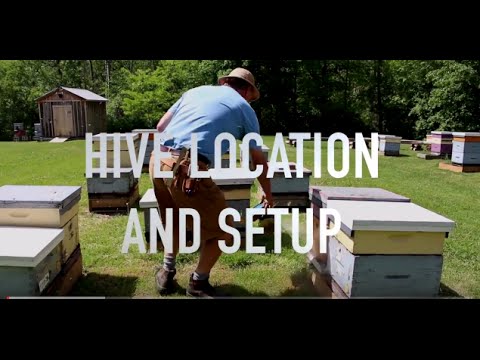
If you set up your bee hive with a little extra care, you’ll have a much easier time keeping bees (and staying safe). Think about how you’ll get to the hive, lift it up off the ground, and keep neighbors and wildlife in mind.
Accessibility and Comfort for the Beekeeper
Pick a spot where you can get to your hive without crawling through bushes or bending in weird ways. Leave enough space around the hive so you can move freely and handle frames without a struggle.
Morning sun helps warm up the hive, which can make inspections more pleasant. Try not to put the hive somewhere you’ll get blocked by thick shrubs or fences while you work.
A flat area keeps your hive stable during checks. Honestly, having a little bench or table nearby for your tools is a small thing, but it makes a big difference.
Using Hive Stands and Elevation
Lift your hive up on a stand to keep it off the damp ground. That protects your bees from moisture, floods, and annoying pests like hive beetles.
A stand that’s 6 to 12 inches tall usually works great. It also helps air flow underneath, which cuts down on mold and keeps things dry.
Elevating the hive means you won’t have to bend over as much, which is a huge plus—especially if you’re just getting started and still figuring out all the gear.
Wildlife, Neighbors, and Urban Beekeeping
Put your hive somewhere that’s not right next to busy paths or doorways. That way, you won’t accidentally surprise your neighbors.
If you’re keeping bees in the city, it helps to talk openly with your neighbors about why you’ve set up a hive. A little communication can go a long way in avoiding conflicts.
Try to keep the area around your hive clean and dry. Small hive beetles and other pests usually stay away from tidy spots.
Skip setting up near trash cans or compost piles—they tend to attract critters you probably don’t want hanging around.
If you’re in a crowded neighborhood, turn the hive entrance so bees fly up and over fences or walls. That little tweak keeps their path above people and pets, making everyone’s life a bit easier.


