
So, you just got stung by a wasp and you’re probably wondering if it’s okay to have a drink after. Drinking alcohol right after a wasp sting really isn’t a good idea. It can speed up your blood flow and make the venom spread faster, which might just make the swelling and pain worse.
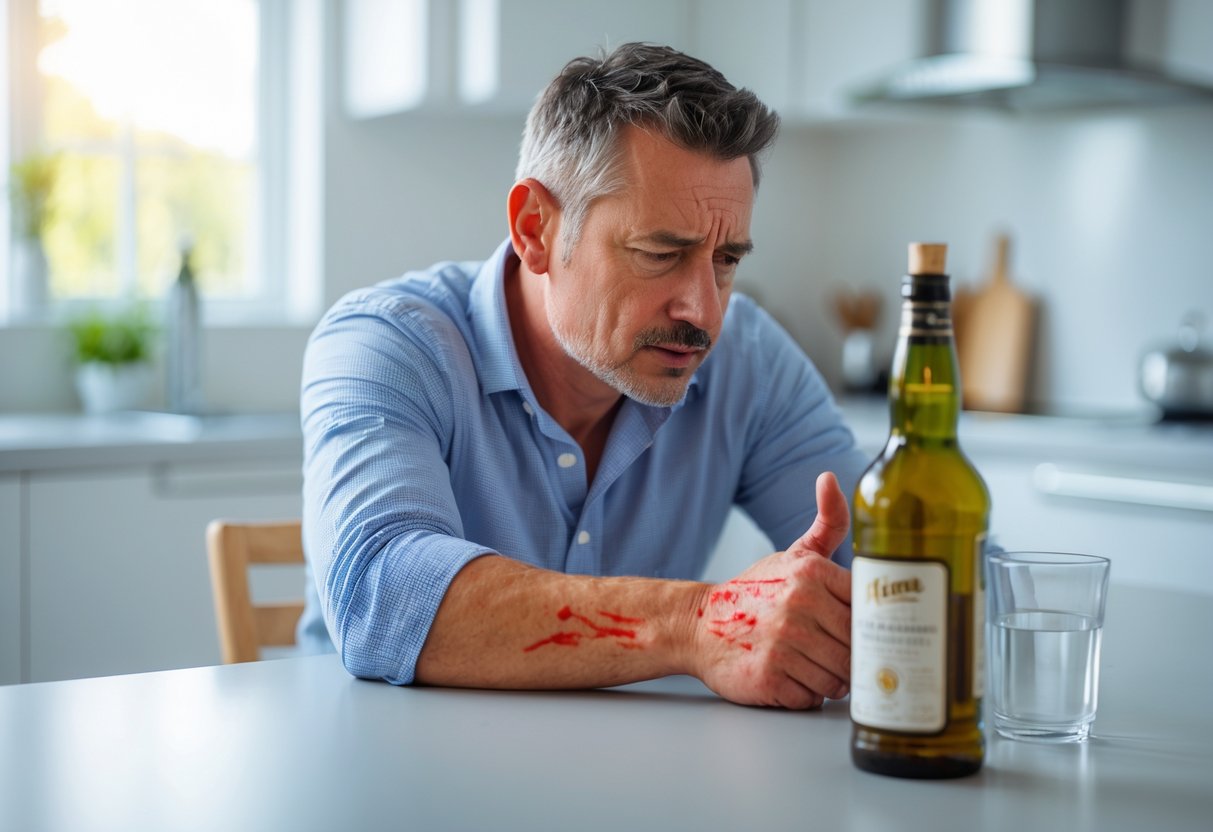
You might feel like taking the edge off with a drink, but honestly, it’s safer to treat the sting first. Taking care of it early can help you dodge extra discomfort and avoid complications, too.
Let’s dig into why skipping alcohol after a sting really matters—and what you can do to feel better, fast.
Is It Safe to Drink Alcohol After Being Stung by a Wasp?
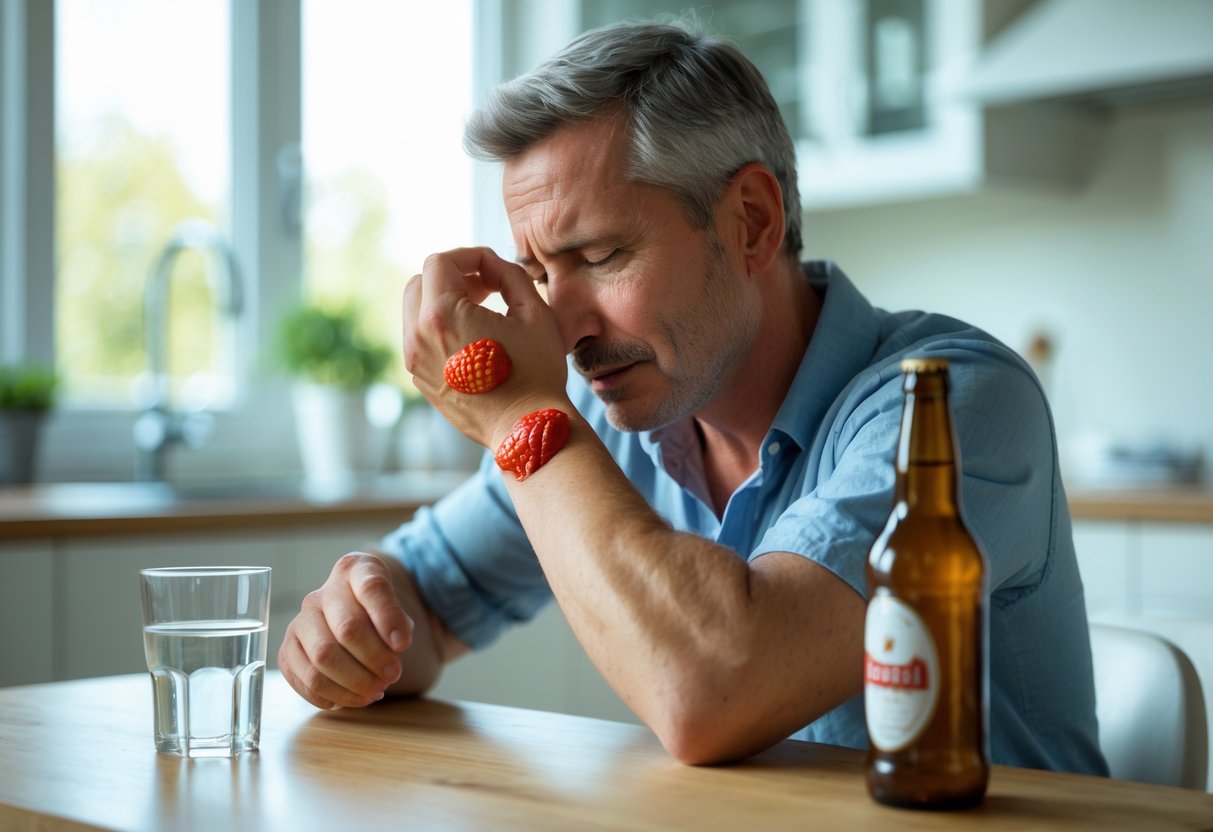
If a wasp stings you, whatever you drink afterward can actually change how your body reacts. Grabbing a beer might sound relaxing, but it often does more harm than good. It’s worth knowing about the risks, allergy effects, and medication issues.
Risks of Consuming Alcohol Following a Wasp Sting
Alcohol speeds up your blood flow. Because of this, the venom might spread through your body faster than you’d like.
When venom moves quickly, swelling and pain can get worse around the sting. That’s not exactly what you want.
Alcohol also puts a damper on your immune system. Your body might heal slower than usual. Even if you feel okay, alcohol could increase the chance of things going sideways.
If your skin is already red or swollen, alcohol can make it more intense. Skipping drinks after a sting keeps the venom from spreading and avoids extra irritation.
Potential Effects on Allergic Reactions
If you know you’re allergic to wasp stings, drinking alcohol is extra risky. Alcohol can raise the chance of a severe reaction called anaphylaxis. That one’s life-threatening and needs emergency help.
If you carry an epinephrine auto-injector (like an EpiPen), alcohol could mess with your judgment about when to use it. You need to stay sharp for symptoms like swelling in your throat, trouble breathing, or sudden dizziness.
Even without a major allergy, alcohol can make mild symptoms worse. You might itch more or swell up more than usual. It’s just safer to hold off on alcohol until you know you’re in the clear.
Alcohol and Medication Interactions After a Sting
After a sting, you might reach for medicine like Benadryl or a painkiller. Mixing alcohol with these meds can cause problems.
Alcohol makes side effects like drowsiness, dizziness, or nausea worse. Benadryl, for example, is an antihistamine that already causes sleepiness. Add alcohol, and you could get way too groggy or even slow your breathing.
Some pain relievers don’t mix well with alcohol either. Always check the label or ask a doctor before having a drink after taking medicine for a sting. Playing it safe here is really worth it.
Proper Wasp Sting Care and What to Avoid
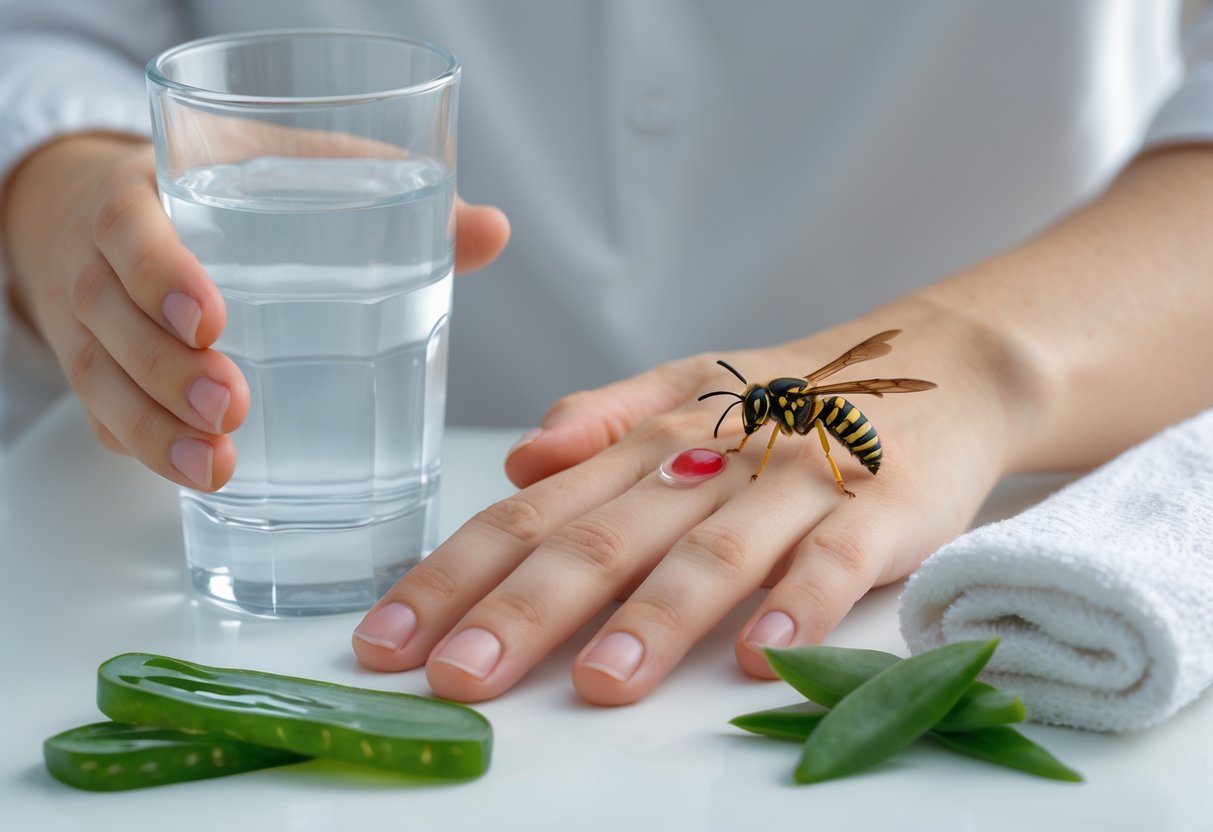
Taking care of a wasp sting quickly can really help with pain, swelling, and redness. Knowing what to do right away and how to treat the sting at home can make a big difference in how soon you feel better.
Immediate First Aid for Wasp Stings
If you get stung, move away fast so you don’t get stung again by more wasps, hornets, or yellow jackets. Wash the sting gently with soap and cold water. This helps clean out venom and lowers your infection risk.
Try not to scratch the sting. Scratching only makes swelling and redness worse. If you see a stinger, pull it out with a fingernail or tweezers. Don’t squeeze it—that can push out more venom.
Grab a cold compress or wrap some ice in a cloth. Hold it on the sting for 10 to 15 minutes. This should help with pain and swelling. Do it again every hour if you need to.
Home Remedies and Over-the-Counter Treatment
Over-the-counter stuff like hydrocortisone cream or calamine lotion can help with itching and redness. Just dab a little on the sting area.
Pain relievers like ibuprofen or acetaminophen can help you manage pain and bring down inflammation. Stick to the instructions on the package.
Some people swear by home remedies like apple cider vinegar or a baking soda paste. These might help neutralize the venom, but only use them after you’ve cleaned the sting. And make sure you’re not allergic to anything you put on your skin.
Managing Pain, Swelling, and Redness
Try to keep the affected limb elevated whenever you can. Elevating it slows down blood flow and helps with swelling.
Skip alcohol after a wasp sting. Drinking can boost blood circulation and might spread the venom faster, making swelling or redness worse.
If you notice swelling or redness moving past the sting site, or if you start having trouble breathing, dizziness, or intense pain, get medical help right away. Those symptoms could mean you’re having a serious reaction and need emergency care.


