
Ever watched bumble bees buzzing around flowers and wondered if they make honey like honeybees? That’s a fair question. Most folks know honeybees for their golden honey, but bumble bees? They do things a bit differently.
Bumble bees actually make honey, but only tiny amounts—just enough to feed their own colony, never enough for us to harvest.
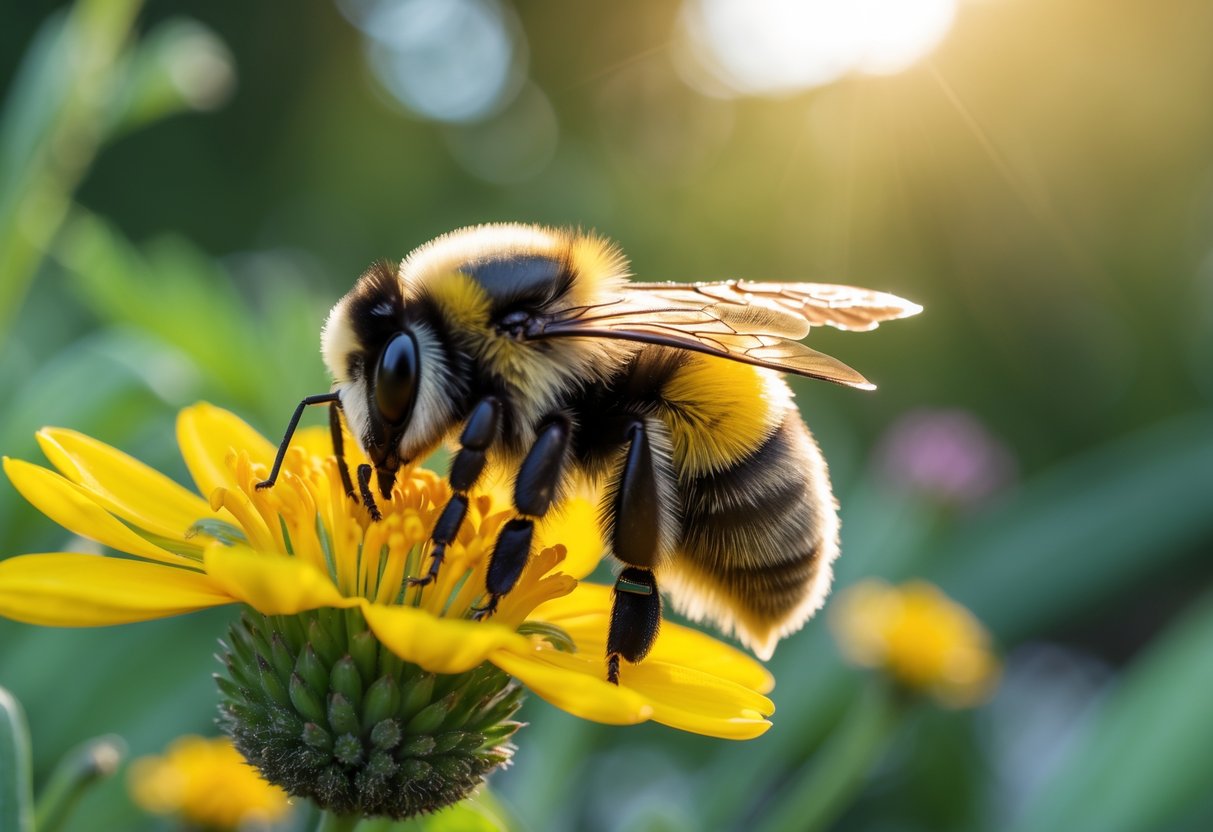
Bumble bees don’t live in massive colonies like honeybees. So, they don’t store big food supplies for winter. They make just enough honey to keep the colony running for a short while.
This small-scale honey-making is pretty important for their survival. It’s one of those things you might not notice, but it matters.
If you’re curious about how bumble bees make honey and why it’s not quite like honeybee honey, you’re not alone. Their habits are unique, and honestly, kind of fascinating.
Do Bumble Bees Still Make Honey?

So, do bumble bees still make honey like honey bees? Well, they do produce a kind of honey, but it’s way less than what honey bees make. They also store it in a different way.
Their colony size and behavior change how much honey they need and keep on hand.
How Bumble Bee Honey Production Works
Bumble bees use their long tongues to collect nectar from flowers. They bring the nectar back to the nest and pass it mouth-to-mouth with other worker bees.
This teamwork turns nectar into a thick, sugary liquid that’s pretty close to honey.
Instead of building big honeycomb cells like honey bees do, bumble bees stash their honey in small wax pots inside the nest.
They use this honey mainly to feed the queen and the young bees as the colony grows.
Bumble bees don’t have a “honey stomach” as developed as honey bees. So, they carry only small amounts of nectar at a time.
That’s why they end up making less honey overall.
Bumble Bee Honey vs Honey Bee Honey
Bumble bee honey isn’t quite the same as honey bee honey. Honey bees crank out lots of honey to survive winter.
Their honey is thick, stored in neat honeycomb cells, and lasts through the cold months.
Bumble bee honey feels softer and comes in much smaller amounts. It has less water because there isn’t as much evaporation time.
Since bumble bee colonies don’t stick around through winter, they don’t need big honey reserves.
Honey bee colonies can have tens of thousands of workers. Bumble bee colonies? Maybe a few hundred.
That size difference means bumble bees make less honey. They use it for short-term feeding, not for storing up.
How Much Honey Do Bumble Bees Actually Make?
Bumble bees only make a little honey—just enough to feed the colony during their active months.
It’s usually just a few grams per colony. Compare that to the pounds of honey a honey bee hive can churn out.
Bumble bee colonies last just a few months. When winter comes, the colony dies off, except for fertilized queens who hibernate.
If you peek inside a bumble bee nest, you’ll spot nectar stored in tiny wax pots here and there.
These are easy for the bees to grab, but they never contain big reserves. The honey acts more like a quick energy boost than a stockpile.
Want more details? Check out this article on bumble bee honey production.
Why Bumble Bees Produce Less Honey and Their Importance

Bumble bees make only a small amount of honey compared to honey bees. That’s just how their groups work, and it’s tied to how long they live.
Still, bumble bees mean a lot to nature and farming. They help plants grow by moving pollen in ways honey bees just can’t.
Colony Structure and Seasonal Life Cycle
A typical bumble bee colony is small, usually just a few hundred bees.
It lasts only one season, from spring to fall. When winter hits, most bees die, except for the new queens who hibernate until next year.
Because their lives are short, bumble bees don’t need to store lots of honey for winter. This shorter cycle means they produce less honey.
Smaller colonies simply don’t need big stores.
Bumble bees choose quiet spots for nests—underground holes, tall grass, or sometimes even inside walls.
You can actually help them by setting up safe nesting spots or bee hotels in your yard.
Role in Pollination and Buzz Pollination
Bumble bees are ace pollinators. They use a cool trick called buzz pollination—shaking flowers to knock out stubborn pollen.
This move helps crops like tomatoes, blueberries, and peppers grow better.
When you move pollen from flower to flower, you boost biodiversity. More plants grow, which supports other animals and insects.
Bumble bees keep working in cooler or darker weather, long after other bees call it quits. Your garden or farm gets pollination for longer stretches.
Ecological and Agricultural Benefits
Bumble bees help native plants reproduce, keeping ecosystems healthy.
Without them, a lot of wildflowers would have a tough time surviving. That loss would hit animals that depend on those plants, too.
Farmers count on bumble bees to improve crop yields. Their pollination leads to bigger, better fruits and veggies.
If you want to attract bumble bees, plant bee-friendly flowers that bloom at different times. That way, you give them food all season and help keep them healthy.
Factors Affecting Bumble Bee Populations
Bumble bees deal with a lot these days, and honestly, it’s not getting easier. Habitat loss hits them hard since they struggle to find places to nest or grab a decent meal.
Climate change throws off their seasonal rhythms. Sometimes, they just can’t keep up.
Pesticides—especially the stuff sprayed on farms and in gardens—mess with how bumble bees act and feel. These chemicals can make it tough for them to pollinate, or in the worst cases, they just don’t make it.
People are starting to pay more attention and step up conservation efforts. If you want to help, try planting native flowers, use fewer pesticides, or leave safe spots for bees to nest.
Even small changes make a difference for these little guys and the ecosystems we all depend on.


