
Got bees buzzing around your place and want a safe way to deal with them? You might be asking yourself, what’s the best homemade bee killer out there. Turns out, a simple dish soap and water mix is one of the easiest and most effective things you can whip up at home.
This spray suffocates bees without harsh chemicals, so you can feel better about using it around kids and pets.

Using stuff you already have means you won’t spend much or stress about weird ingredients. If you like, toss in a little lemongrass or clove oil to boost the repellent effect. With just a handful of items, you can protect your yard and keep things eco-friendly.
Want to try something other than sprays? Homemade traps can catch bees without chemicals. These options let you handle bee problems while still respecting their role in nature.
Let’s dive into some easy, natural solutions you can make yourself.
The Best Homemade Bee Killers and How They Work

You can tackle bee problems with simple stuff from your kitchen. Some methods suffocate, some repel, and others trap bees safely around your home.
A few rely on soap and water, while others use natural scents to keep bees away or lure them into a trap.
Dish Soap and Water Solution
Mixing dish soap and water is honestly one of the fastest, easiest ways to kill bees directly. The soap clogs their breathing pores, so they suffocate pretty quickly.
Just mix 1 part dish soap with 2 to 4 parts water in a spray bottle. Give it a good shake.
When you see bees or find a nest, spray them directly on a dry, sunny day for best results.
This method uses what you already have at home and helps you keep a safe distance. Just be careful—it kills bees instantly, so use it only when you really need to. You can check out a step-by-step guide in the dish soap and water mixture explanation.
Vinegar Spray Method
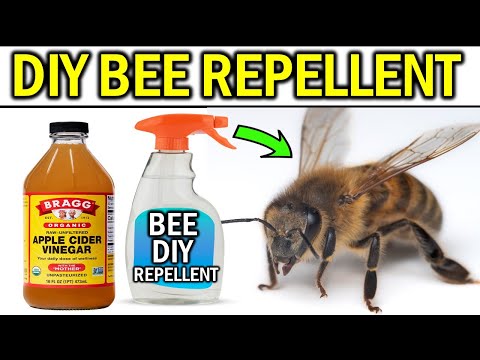
Vinegar’s acidity repels bees and can even kill them by irritating their bodies. Mix equal parts water and vinegar in a spray bottle to create a natural bee repellent or killer.
Spray this mix right on bees or in places they like to hang out, like near flowers, windows, or trash bins.
Vinegar keeps bees from coming back and makes stings less likely.
Use this spray on dry days and try not to soak your plants, since vinegar can damage some vegetation. For more details, check the guide on using vinegar as a bee killer and repellent here.
Homemade Bee Trap Formulas
If you’d rather catch bees than kill them right away, homemade bee traps work well. These traps attract bees with sweet stuff like sugar water, honey, or fruit juice, then a little dish soap seals the deal.
The soap breaks the surface tension, so when bees land, they drown. Here’s what you’ll need:
- Water
- Sugar or honey
- Dish soap
- Optional apple cider vinegar
Put the trap away from where people hang out, so bees stay contained. This method helps reduce bee numbers and is good if you want to avoid getting stung. Check out homemade bee trap ideas for more info.
Using Essential Oils
Some essential oils, like lemongrass, geranium, and clove, naturally repel or confuse bees. You can make a spray by adding a few drops of oil to water in a spray bottle.
A bit of liquid soap helps the mix stick to surfaces and insects.
Spray around nests or on plants to keep bees away without killing them.
This method feels gentler and works well if you’re trying to protect good pollinators but still want to avoid stings. Find more recipes in the essential oils bee spray guide.
Tips For Safe and Effective Bee Removal
If you want to remove bees safely, you need to know when to act, what gear to wear, and how to handle different stinging insects. Protect yourself, avoid unnecessary harm, and pick the right method for each situation.
When to Attempt DIY Solutions
Try removing bees yourself only if the hive is small and easy to reach. If it’s big or high up, call a pro. Messing with a large hive can lead to a lot of stings.
If you or anyone nearby is allergic to bee stings, skip DIY methods. Don’t try removal during the hottest part of the day—bees are way more active then. Early morning or late evening is safest.
Use gentle sprays like soap and water instead of harsh chemicals. This is better for you and the environment.
If you use traps, place them well away from where people gather.
Protective Gear and Safety
Always suit up with protective gear when dealing with bees or wasps. A beekeeper suit, gloves, and a veil or even a hat with netting can help block stings.
If you don’t have a suit, wear thick, light-colored clothes that cover your whole body.
Skip perfumes or scented products—those attract stinging insects. Move slowly and calmly, so you don’t rile them up.
Keep kids and pets out of the area until you’re done.
Plan your exit route in case bees get aggressive. Have a first aid kit close by, including antihistamines or ice packs for stings.
Special Considerations for Carpenter Bees, Yellow Jackets, and Wasps
Carpenter bees tunnel right into wood to build their nests. They don’t live in hives, which honestly makes them a bit more challenging to deal with.
After you remove the bees, make sure you seal up their holes. That’s the best way to keep them from coming back.
Yellow jackets and wasps? They’re a whole different story. These guys act way more aggressive than regular bees.
They can sting over and over again and really go all out to defend their nests. Sometimes a simple wasp trap catches a bunch before you even need to try anything else.
Don’t ever spray yellow jackets or wasps directly unless you’ve got full protective gear on. If you spot a big nest or one that’s tough to get to, it’s smarter to call a pest control pro instead of risking stings or damage.


