
If you get stung by a bee, you want relief—fast. The quickest way? Pull that stinger out right away, slap some ice on the spot, and reach for over-the-counter stuff like antihistamines or creams to calm things down.
Getting the stinger out and cooling the sting make the biggest difference in how quickly you feel better.
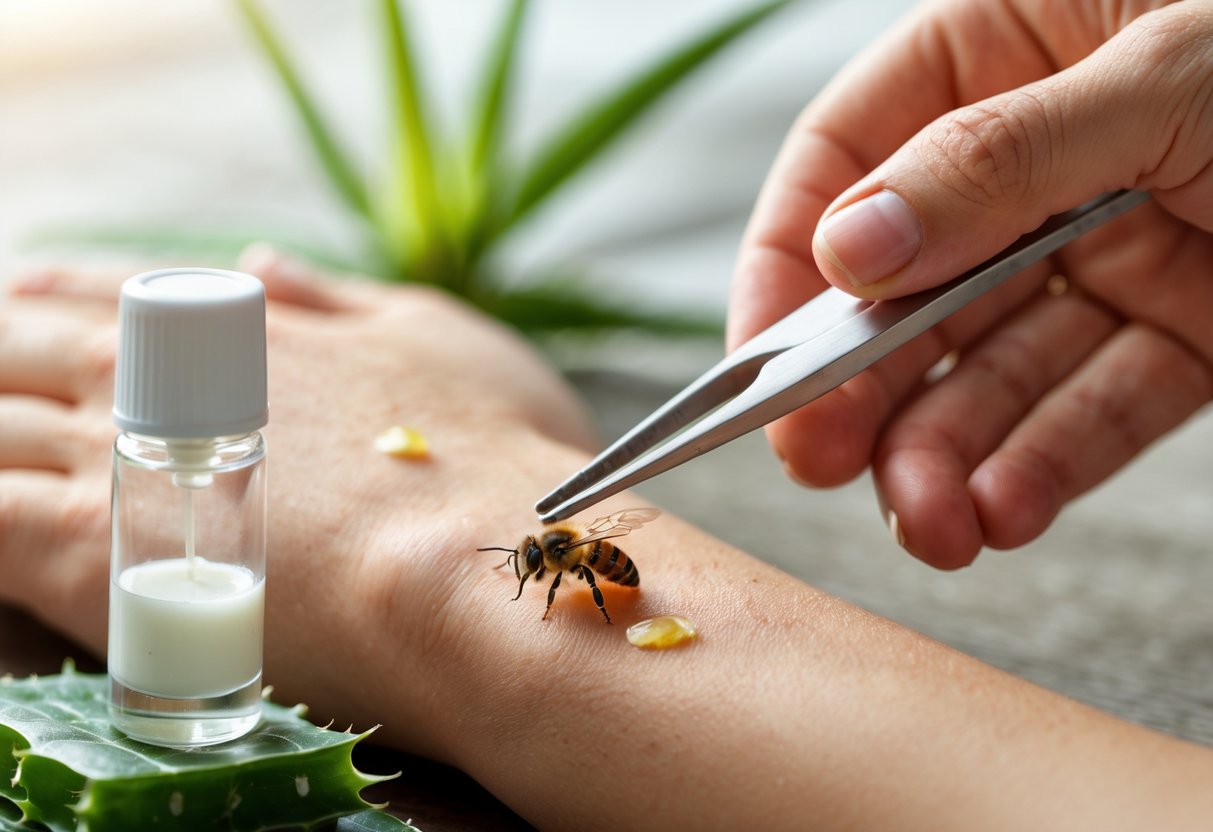
Bee stings usually mean short-term pain, redness, and swelling. Most of the time, that fades in a few days.
You can help speed things up by treating the sting properly. Knowing what to do at home saves you from extra irritation and discomfort.
If you spot serious stuff like trouble breathing, swelling in your face, or hives, get medical help right away. For most stings, though, a little home care does the trick and helps your symptoms fade fast.
If you want more details about treating bee stings and soothing your skin, check out this guide on how to treat a bee sting safely.
Fastest First Aid Steps for Bee Stings

Acting quickly after a bee sting really helps. If you know how to handle the stinger, clean the spot, cool it down, and watch for allergic reactions, you can feel better much sooner.
Remove the Stinger
Get the stinger out as soon as you can. Honeybees leave the stinger behind, and it keeps pumping venom if you let it sit.
Use your fingernail or the edge of a credit card to scrape it out gently. Try not to pinch or squeeze it, since that just pushes more venom in and makes swelling worse.
Once you’ve removed the stinger, wash your hands before you touch the area again. Acting fast limits how much venom gets in and lowers your chances of a bigger reaction.
Clean and Soothe the Sting Site
After you ditch the stinger, wash the spot with soap and water. That lowers your risk of infection.
Next, try to calm the area. A baking soda paste or creams like hydrocortisone or calamine can help.
If you’re super itchy, an antihistamine like Benadryl can bring relief. Just don’t scratch the sting; it’ll only make things worse or lead to infection.
Apply Ice to Reduce Swelling
Ice helps a lot with swelling and pain. Wrap ice cubes or a cold pack in a towel and put it on the sting.
Keep it there for 10 to 15 minutes. You can repeat this every hour as needed.
Ice shrinks blood vessels and slows your body’s response to the venom. Don’t put ice straight on your skin, though—it’s not worth the risk.
Monitor for Allergic Reaction
Pay attention to how your body feels after a sting. Some people react badly, and that can get serious fast.
Watch for things like:
- Trouble breathing or shortness of breath
- Swelling in your face, lips, or throat
- Hives or crazy itching
- Dizziness or feeling faint
If you notice any of these, use your EpiPen if you’ve got one. Then get emergency help right away.
Even if you feel fine at first, keep an eye on things for the next few hours. If pain or swelling gets worse, or you start feeling off, call your doctor.
For more tips, check out this emergency first aid guide for bee stings.
Effective Remedies and Prevention Tips for Bee Stings

Bee stings hurt and itch, but you can usually treat them at home with stuff you already have. A few simple steps can make a big difference.
Knowing when to get emergency care and how to avoid stings helps keep you safe, too.
Top Home Remedies for Relief
Remove the stinger fast to stop more venom from getting in. Scrape it out using a credit card or your fingernail.
Don’t squeeze the stinger; that just makes things worse. Cold compresses help with pain and swelling.
You can try natural remedies like aloe vera gel, tea tree oil, or lavender oil. They’re soothing and have some anti-inflammatory effects.
Witch hazel and calamine lotion also calm itching and irritation. If you want, mix baking soda with water and put it on the sting—some people swear it helps neutralize the venom.
Keep the area clean with soap and water to avoid infection.
Over-the-Counter Treatments
Hydrocortisone cream or calamine lotion can help with itching and swelling. Antihistamines like Benadryl or generic options help with itchy, allergic-type reactions.
You can take pain relievers like ibuprofen or acetaminophen if you need them. Just follow the instructions on the package.
Reapply creams as needed until you feel better—usually a few days. Always check the label for any allergy warnings.
When to Seek Emergency Help
Call for emergency help if you have trouble breathing, swelling in your face or throat, dizziness, or a racing heartbeat after a sting. Those can be signs of a severe allergic reaction, or anaphylaxis.
If swelling or redness spreads more than a few inches from the sting, or you get a fever, that might mean infection—better to get checked out.
If you know you’re allergic, always carry your EpiPen and use it at the first sign of trouble. After using it, call 911 right away.
How to Prevent Bee Stings
Try wearing light-colored, smooth clothing outside. Bees seem to like bright colors and rough textures, for whatever reason.
Skip strong perfumes, scented lotions, or sweet foods—those things just call bees over.
If a bee comes near, stay calm. Move slowly. Swatting or making sudden moves only ups your chances of getting stung.
Cover your food and drinks, especially anything sugary. You really don’t want to invite bees to your picnic.
Don’t walk around barefoot in grassy or flower-filled areas. Bees love those spots.
Plant some bee-repelling herbs like mint or eucalyptus around your place. If you spot a nest close to your house, call pest control. Don’t try to remove it yourself—it’s just not worth the risk.


