
If you want to keep bees away but don’t want to hurt them, knowing which smells they can’t stand is a real game changer. Bees hate scents like lemon, peppermint, cinnamon, vinegar, and smoke. These smells usually make them steer clear of your garden or patio.
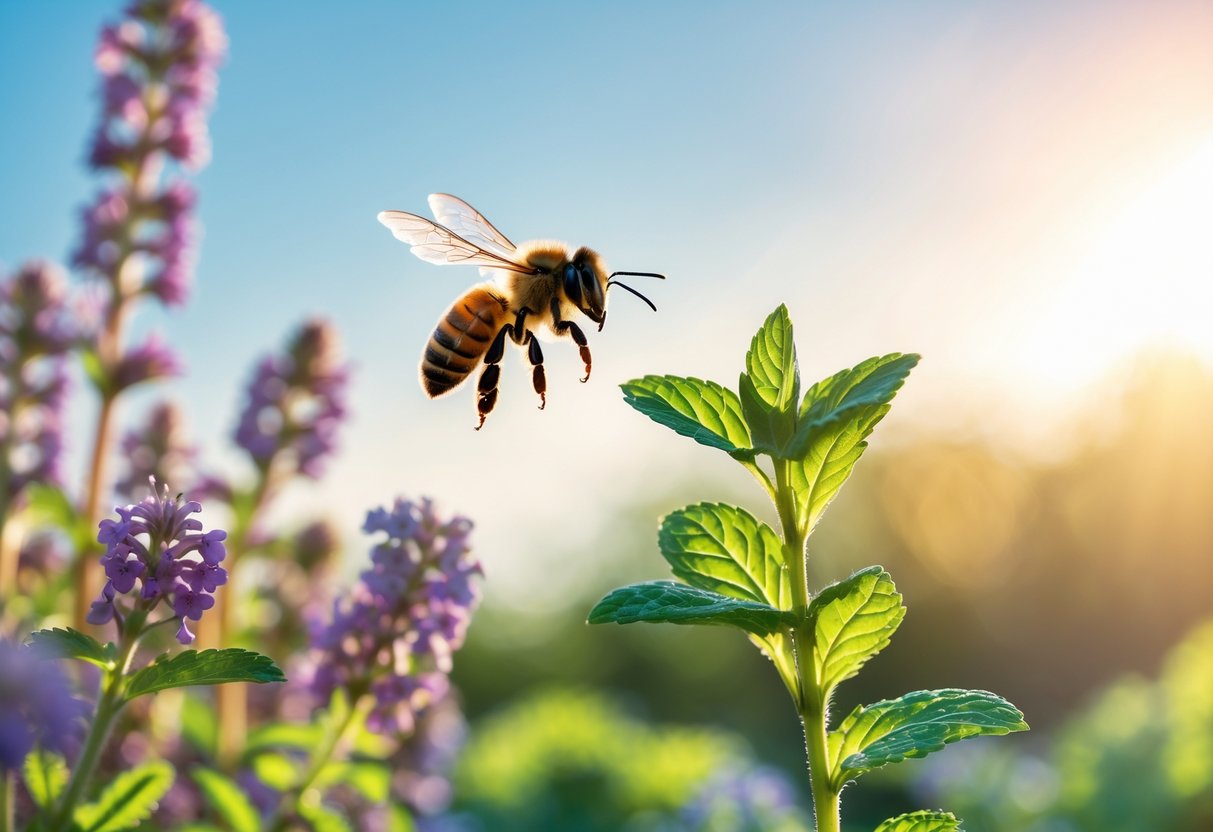
You might not expect it, but cucumber peels and garlic powder bother bees too. Try using these scents around your outdoor space if you’re hoping for a little peace and quiet from buzzing visitors.
Want more details? Here’s a guide on scents that bees hate.
Smells That Bees Hate
Certain strong plant smells can keep bees away without hurting them. These scents mess with the bees’ sensitive noses, making your place less inviting.
Here’s a quick look at some common smells bees dislike and how you might use them.
Peppermint and Mint Odors
Bees really don’t like peppermint or other minty smells. Peppermint oil is especially popular as a natural repellent.
Try planting peppermint around your garden or spraying peppermint oil near places where bees hang out. The sharp, fresh scent of peppermint covers up the sweet smells that usually attract bees.
It’s enough to make them leave and look for another spot. Peppermint-based products won’t harm bees, so it’s a friendly way to keep them at bay.
If you want, dried mint leaves or little mint sachets work for smaller spaces.
Eucalyptus Aromas
Eucalyptus gives off a bold, sharp smell that bees avoid. The scent gets in the way of their flower-finding skills, so you’ll see fewer bees buzzing around your home or garden.
You can plant eucalyptus trees if you’ve got the space, or just use a bit of essential oil. Dilute eucalyptus oil with water and spray it around patios or picnic areas.
The smell is pretty strong, so you don’t need much. As a bonus, eucalyptus leaves your space smelling fresh and clean.
Garlic and Strong Natural Scents
Garlic has a strong, unmistakable smell that bees just can’t stand. You can use garlic powder or mix crushed garlic with water, then spray it near plants or where you like to sit.
That sulfur scent really messes with their senses. Other strong smells that work include citronella, vinegar, and spices like cinnamon or cayenne pepper.
Try these around your yard to make a sort of invisible barrier bees won’t want to cross. If you use sprays, just be careful not to hit edible plants or flowers you want pollinators to visit.
Practical Ways to Repel Bees Naturally
You can use natural scents and certain plants to keep bees and wasps away from your outdoor hangouts. Simple sprays and a few herbs help protect your garden or fruit trees without hurting these important insects.
Using Essential Oils and DIY Sprays
Essential oils like peppermint, eucalyptus, citronella, and cinnamon can really repel bees and wasps. Mix about 10-15 drops of one oil with water and a dash of dish soap in a spray bottle.
Spray this blend around doors, windows, and spots where you sit outside. Refresh it every few days to keep the scent noticeable.
Try not to spray plants or flowers directly; you still want pollinators around. Bees just don’t like these strong, sharp smells.
Plant-Based Methods for Bee Deterrence
Some plants—like mint, marigolds, basil, and lavender—aren’t bee favorites. You can grow these herbs and flowers near doors or patios to help keep insects away.
Marigolds and mint stand out because their strong smells confuse and repel bees and wasps. Keep your plants trimmed and healthy so they stay fragrant.
If you want a little extra kick, crush a few leaves to release more of the scent.
Tips for Keeping Bees Away from Fruit Trees
Bees and wasps love ripe fruit, so try to check your fruit trees pretty often. Pick up any fallen or rotting fruit as soon as you spot it—otherwise, you’ll just invite more insects.
You can hang up a decoy wasp nest to scare off wasps. Some people also spray the ground around their fruit trees with essential oil solutions, which can help create a barrier.
Just make sure you pick methods that won’t harm the bees you actually want to keep around.


