
Ever found bees stuck in your wall and wondered how long they might last in such a cramped spot? Well, bees can actually survive anywhere from a few days to over a year in there. It mostly depends on how much food they’ve got and how big their colony is.
Smaller or newer hives usually last just a few weeks. Bigger, established colonies can hang on much longer.
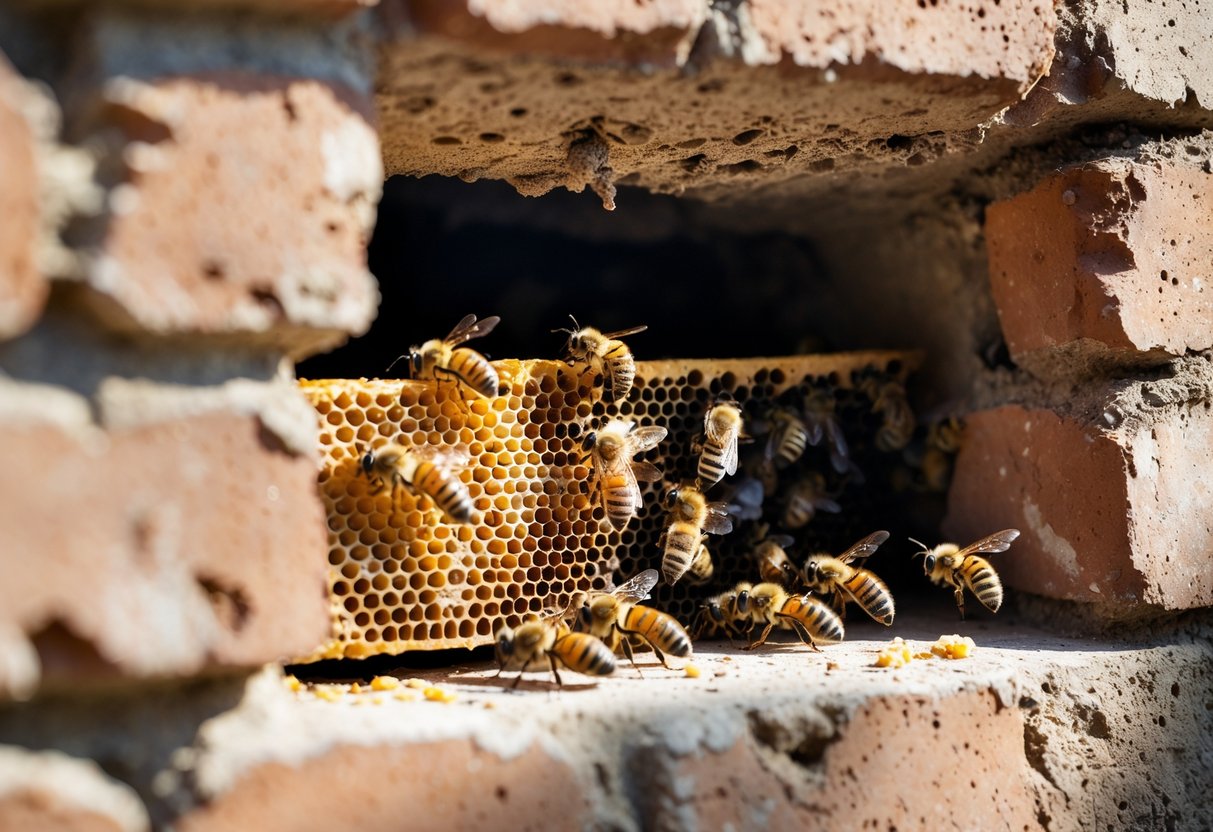
Knowing how long bees might stay trapped helps you figure out how urgent the problem is. Bees stuck in walls often search for escape routes, which can end up causing damage.
If you care about your home and the bees, it’s worth understanding what affects their survival and what you should do next.
How Long Can Bees Live Trapped in a Wall?
Bees in walls might survive from just a few days up to over a year. Their survival really depends on the type of bees, how much food they have, and the size of their hive.
You’ll probably notice signs of trapped bees before they actually die, and this can mess with your home’s comfort and safety.
Key Factors Affecting Bee Survival in Walls
Several things decide how long bees can make it when they’re stuck in a wall. The biggest factor? Food supply. If the bees stored enough honey and pollen in their hive, they’ll last longer.
Colony size matters too. Larger groups have more workers to collect and store food, so they stand a better chance.
Temperature and airflow inside the wall make a difference, since bees need oxygen. If you block their exit but don’t remove the hive, bees often look for new ways into your house.
They might cause damage as they try to escape or, worse, die inside the wall. That can lead to bad smells and some health risks.
Food Sources and Starvation Risks
Bees usually count on nectar and pollen from flowers. Once they’re trapped, they have to rely on whatever honey and pollen they already stored.
If the hive is older and packed with food, bees can stick it out for several months, maybe even up to a year.
A fresh hive with little food might only survive a few weeks or a couple of months. When food runs out, worker bees starve first, and then the queen follows.
Starvation weakens the whole colony pretty fast. If bees can’t get out to find more food, their lifespan drops a lot.
Honestly, it’s best to call a professional before the bees die inside and the situation gets worse.
Impact of Bee Species on Lifespan
Different types of bees last different amounts of time when trapped in walls. Honey bees and their queens can survive the longest since they build big hives full of honey.
Bumblebees, mason bees, and carpenter bees usually have smaller colonies or live solo, so they only last days or weeks without food.
Worker bees don’t live as long as queens, but they keep things running as long as there’s food. Queens can live 2-3 years, but if they’re trapped, they depend on the workers to bring them honey.
Signs of a Bee Infestation Inside Walls
You might hear buzzing from inside your walls, especially during daylight hours. That’s often the first clue you’ve got live bees in there.
Sometimes you’ll spot small piles of dead bees or catch a whiff of something unpleasant if they start dying inside the wall. You might also notice bees flying in and out of little cracks or holes in your siding.
Wall stains or damage can show up if bees build or expand their hive. If you see these signs, it’s smart to contact a bee removal expert before things get out of hand.
For safe removal tips and more info, you can check guides on how long bees live trapped in a wall or look up professional bee removal services.
Bee Removal and Prevention Methods
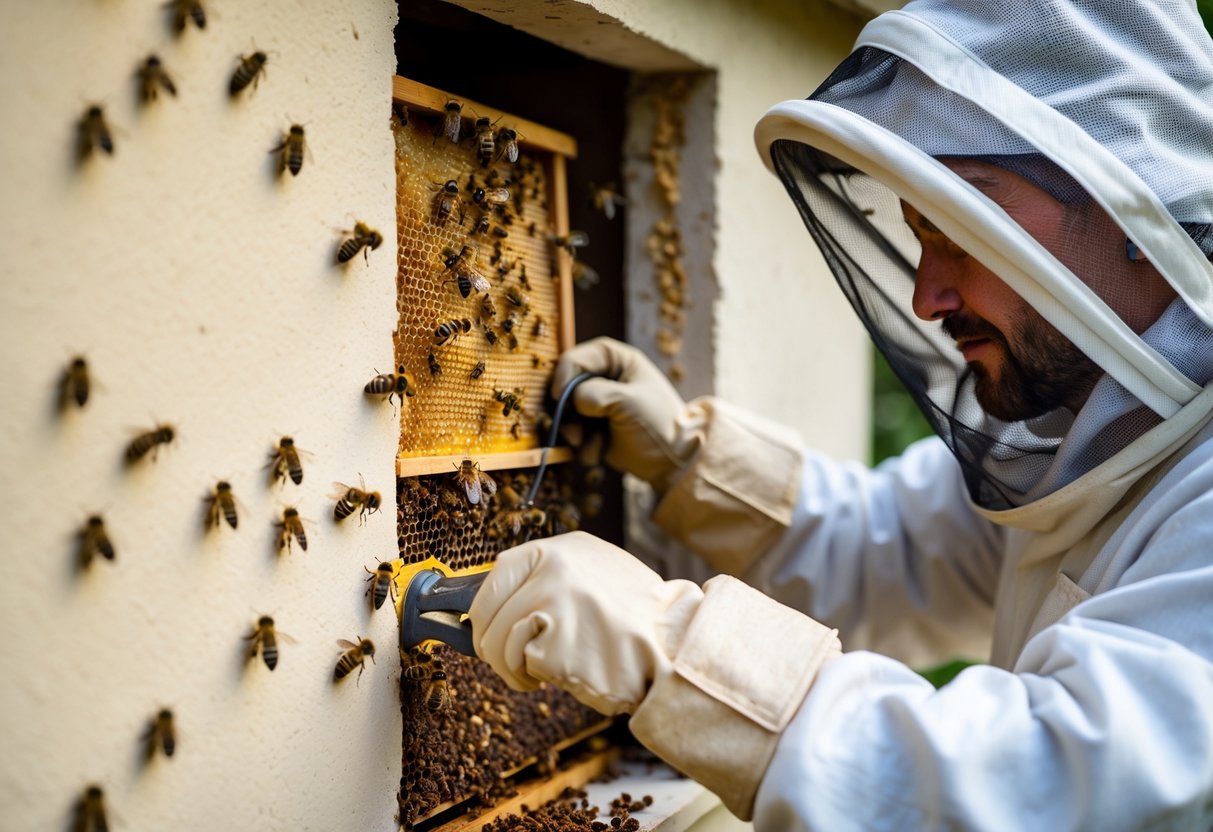
Dealing with bees in your walls takes some care if you want to keep both yourself and the bees safe. Removing them properly protects your house and the colony.
It also helps to prevent future bee problems, which saves you headaches down the road.
Safe Bee Removal Techniques
When bees get stuck in your walls, picking the right removal method matters. Don’t just seal them in—dead bees can smell terrible and even cause damage.
Call professionals who use special tools like bee vacuums or traps that move bees safely. You really shouldn’t try to remove a hive on your own without the right gear.
Bee removal pros usually wear protective suits and use smoke or gentle repellents to calm the bees. This helps prevent stings and keeps your home safe.
Some removal methods let you relocate the hive outdoors instead of destroying it. That way, you help keep local bee populations healthy, which is good for everyone.
Role of Beekeepers in Wall Bee Rescue
Beekeepers often step in to help with bees trapped in walls. They know a lot about different bee species and how they behave.
If you reach out to a beekeeper, they’ll usually come by to check things out and decide on the safest way to remove the colony. They carefully extract the hive and move it somewhere safe.
This approach gives the bees a second chance and helps keep them in the ecosystem. Beekeepers can also teach homeowners about the value of bees and how to protect them, so they’re a great resource if you want to learn more.
Preventing Future Bee Infestations
If you want to keep bees from moving into your walls, start by closing off their entry points. Grab some caulk or metal mesh and seal up any holes or cracks where bees could sneak in.
Take a look around vents, windows, and along your roof lines—those spots often have gaps you might miss. Fix up any damaged siding or wood, especially since carpenter bees love tunneling into soft wood.
Try planting bee-friendly flowers, but keep them farther from your house. That way, bees have a reason to hang out in your garden instead of buzzing around your walls.
Stay on top of property maintenance and watch for early signs of bee activity. A little effort now can save you a headache later.
If you catch the problem early, you’ll protect your home and the bees that help your garden thrive. Want more details? Check out professional bee removal tips and techniques.


